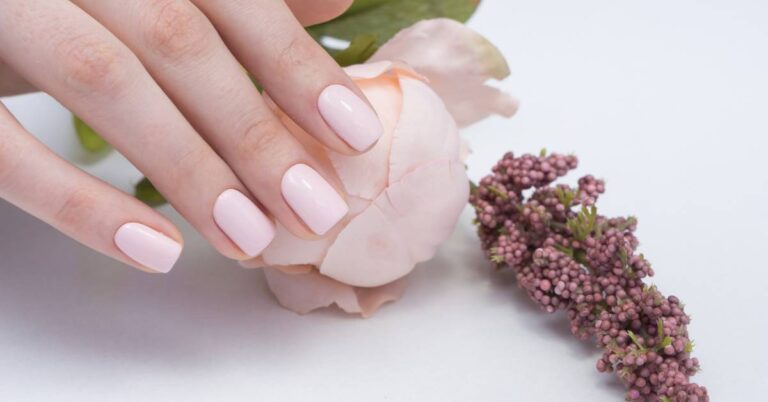
Nails

What is the Meaning Behind Growing a Long Pinky Nail?
Have you ever noticed someone with a long pinky nail and wondered what it means? While it may seem like a strange fashion statement, there
Nail Care & Manicure Technology encompasses the anatomical preservation of the keratin nail plate, onychological disorder prevention, chemical enhancement systems (acrylic, dip, polygel), and precision structural shaping methodologies.
Rich burgundy, warm espresso, olive green, and minimalist tortoiseshell palettes for sophisticated autumn manicures.
Subtle spooky minimalism, copper chrome micro-tips, and earthy negative space transitions.
Seamless late-summer to autumn colorways, amber glazes, and muted neutral tones.
The human nail unit is composed of hard alpha-keratin sheets layered upon the vascularized nail bed. The matrix, hidden beneath the proximal nail fold and lunula, produces the continuous stream of keratinized onychocytes that form the plate. Preserving natural nail health requires respecting the natural eponychium (living skin often erroneously called the cuticle) while thoroughly exfoliating only the dead, non-living pterygium adhered to the plate surface.
When building artificial nail extensions (acrylic, hard gel, or polygel), structural longevity depends on the apex—the thickest focal point of the enhancement positioned directly over the stress zone where the free edge joins the nail bed. Without an apex calibrated to the length of the extension, everyday mechanical forces exert lever pressure that tears the natural nail plate off the nail bed.
| Nail Enhancement | Chemical Composition | Flexibility & Impact Resistance |
|---|---|---|
| Liquid & Powder Acrylic | Ethyl methacrylate (EMA) monomer + polymer powder | Highest rigidity & hardness; Best for extreme lengths and extensions |
| Dip Powder System | Cyanoacrylate resin adhesive + pigmented acrylic powder | Stiff, odor-free; Fast application, no UV lamp required |
| Builder Gel (Hard Gel) | High-molecular-weight cross-linked oligomers | Moderate flexibility; Absorbs shocks, non-porous |
| Polygel / Hybrid Gel | Oligomer-acrylic paste manipulated with slip solution | Lightweight, zero heat spikes, exceptional user control |
Squoval (a soft square with rounded corners) and oval shapes are structurally the strongest because they distribute mechanical stress evenly across the free edge without sharp lateral corners that catch and tear.
Post-acrylic soreness typically results from aggressive e-file over-thinning of the natural nail plate, pinching the c-curve too early during polymerization, or shrinkage tension as the acrylic monomers cross-link into a rigid matrix.
Do not pull or force the remaining nail off. Disinfect immediately with antiseptic wash, apply antibiotic ointment, wrap securely with sterile gauze or a band-aid to prevent catching, and allow the underlying nail bed to re-epithelialize before trimming.
Have you ever noticed someone with a long pinky nail and wondered what it means? While it may seem like a strange fashion statement, there
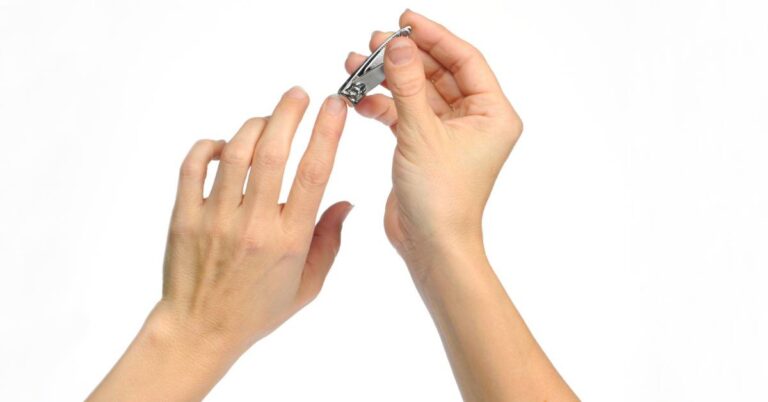
Have you ever wondered why your nails grow so fast? Perhaps you’ve noticed that your nails, on the one hand, grow faster than the other
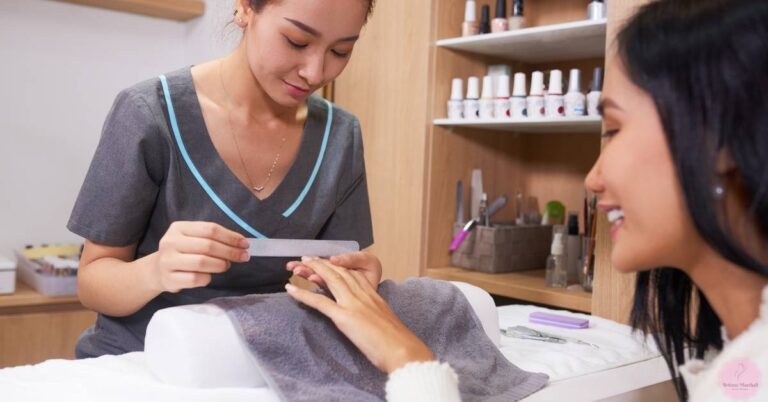
It can be difficult to find the best nail shapes for short nails because there are so many options out there. If you have short
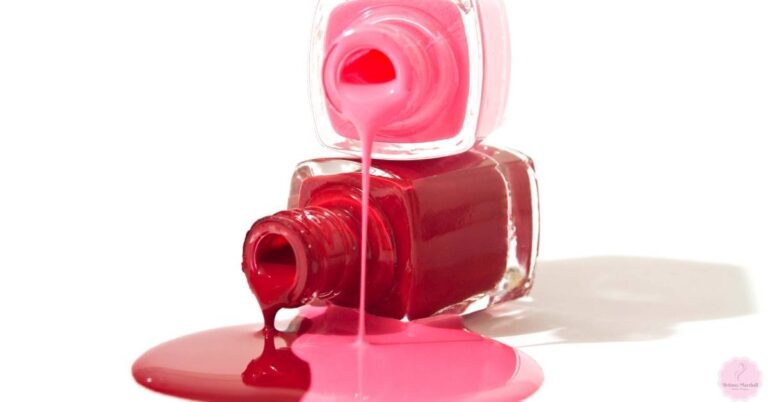
Nail polish can be so frustrating! You think the hardest part is staying smudge-free, but you find yourself struggling to open the bottle. It’s glued

If you’re looking for a way to eliminate unwanted yellow and orange tones from your hair, a hair toner may be an excellent option. This
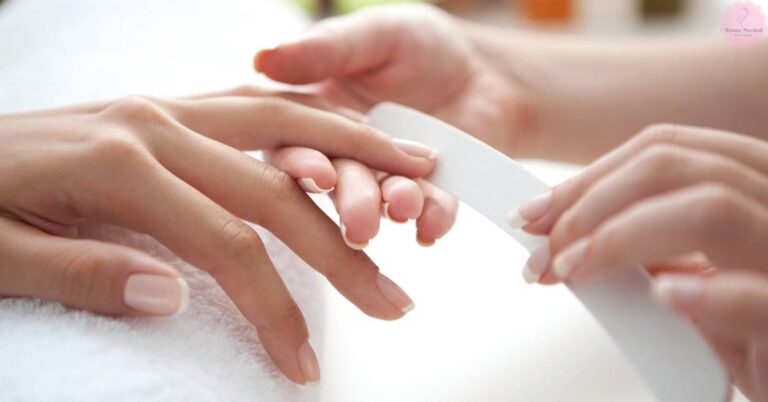
When it comes to getting a manicure, there’s more to it than just picking your favorite color or shape. Nowadays, people are looking for more
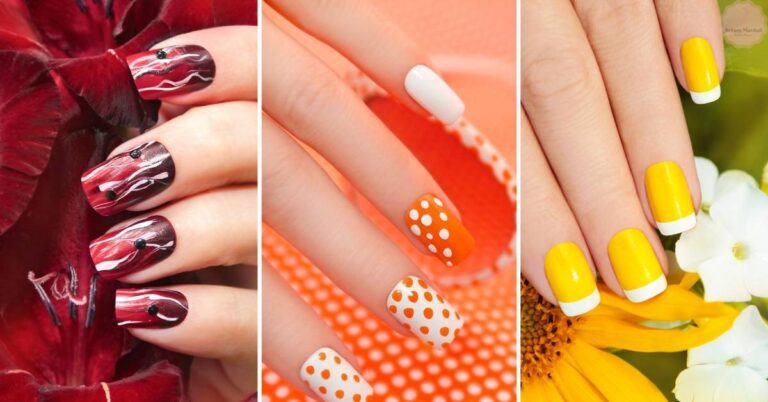
With increasing emphasis on living an eco-friendly lifestyle, people wonder how green their beauty routines are. Today we’re going to take a closer look at
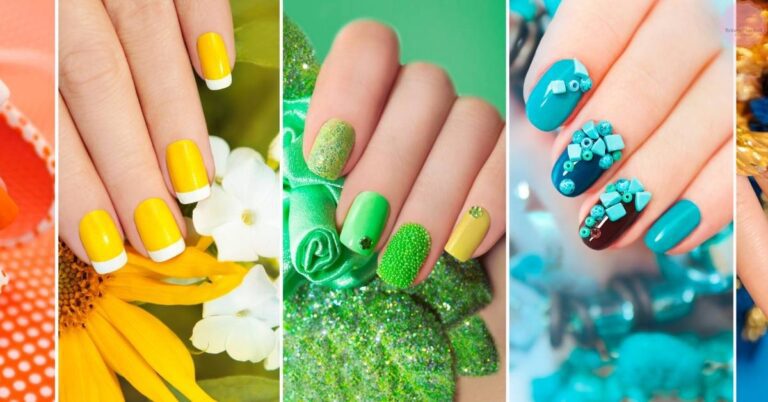
Some say that press-on nails are less damaging because they don’t require UV light, while others say they can be as damaging as acrylics or
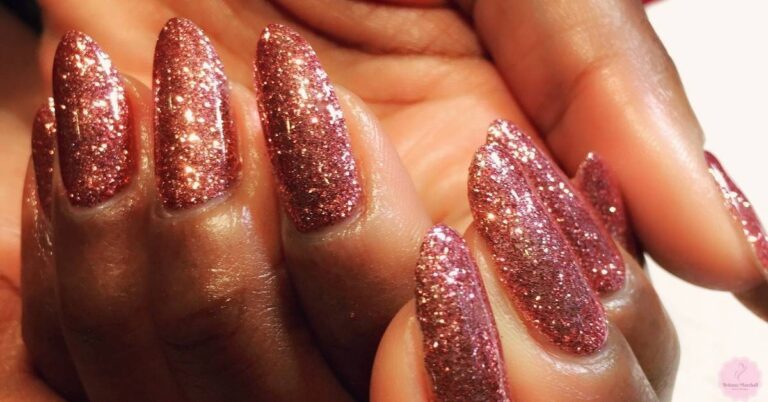
Looking for a high-quality press-on-nails option that is nontoxic? Look no further! We found three offers of non-toxic and planet-friendly nails that are made of