Candles

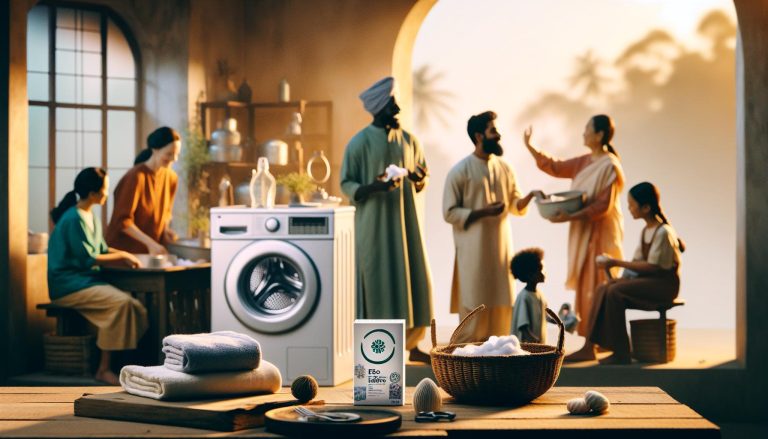
Earth Breeze Review: Eco Laundry Sheets That Clean Better
Discover how Earth Breeze eco laundry sheets clean better while saving the planet. Learn why these green detergent sheets are a game-changer for fresh, effortless laundry!
Candle Care & Aromatherapy encompasses the thermal dynamics, wax crystallization properties, olfactory fragrance throw, and wick maintenance techniques required to achieve optimal combustion efficiency, clean non-toxic burning, and maximum burn-time longevity.
Essential thermal guidelines on draft avoidance, maximum continuous burn cycles, and thermal glass fracture prevention.
Practical salvage techniques using heat extraction, wax pool draining, and cotton wick re-centering to restore flame oxygenation.
An analytical comparison of petroleum-derived paraffin versus renewable hydrogenated soybean oil emissions and soot profiles.
A candle’s lifespan is fundamentally determined by its initial burn cycle. Wax possesses thermal memory; extinguishing a flame before the melt pool fully liquefies across the entire diameter creates a persistent narrow depression known as tunneling. This starves the wick of oxygen on subsequent burns and wastes up to 40% of the peripheral wax volume.
Maintaining a cotton or wooden wick trimmed strictly to 1/4 inch (6 mm) prior to every ignition prevents mushrooming, excessive carbon soot deposition, and secondary flame flickers that induce erratic indoor particulate pollution. Choosing natural soy, coconut, or beeswax matrices with phthalate-free fragrance oils ensures clean hot and cold olfactory throw without VOC contamination.
| Wax Type | Melting Point & Burn Profile | Soot & Environmental Footprint |
|---|---|---|
| 100% Soy Wax | Low melting point (115-125°F); Slower, cooler burn | Minimal soot; 100% Biodegradable and renewable |
| Coconut Wax Matrix | Low melting point (100-105°F); Exceptional scent throw | Clean burning; Premium luxury performance, zero paraffin |
| Beeswax | High melting point (144-147°F); Longest natural burn time | Emits negative ions; Completely non-toxic, natural honey aroma |
| Paraffin (Petroleum) | Variable melting point; Intense hot throw | Higher soot emissions; Non-renewable byproduct of petroleum refining |
The initial burn establishes the melt pool diameter memory. The candle should remain lit for approximately one hour per inch of container diameter until the liquid wax touches all outer edges, permanently preventing tunneling on subsequent burns.
Wrap a sheet of aluminum foil around the perimeter of the candle jar like a chimney or dome, leaving a small opening at the top for oxygen flow. Light the candle; the reflected thermal radiant heat will melt the stubborn peripheral wax walls down into a uniform flat pool within 30 to 45 minutes.
Wicks should be trimmed to exactly 1/4 inch before every single lighting cycle. Untrimmed wicks develop carbon buildup ('mushrooming') that leads to unstable oversized flames, smoky soot deposition, and elevated jar temperatures.
Discover how Earth Breeze eco laundry sheets clean better while saving the planet. Learn why these green detergent sheets are a game-changer for fresh, effortless laundry!

Discover how Dr Teals Sleep Spray Lavender Mist can transform your nights-learn tips to improve rest and soothe insomnia with this calming sleep aid today!
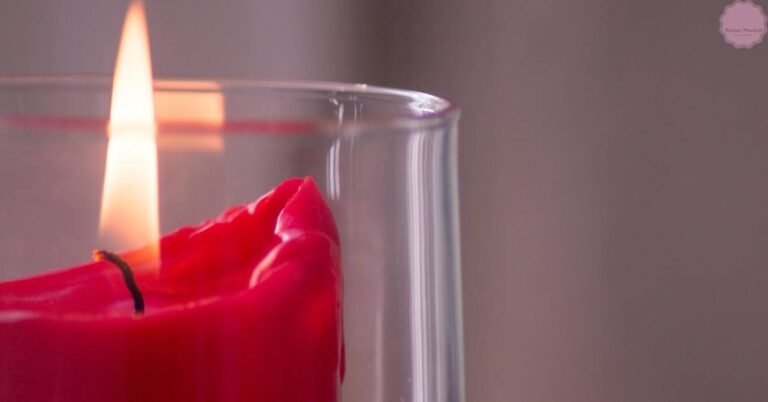
When making a candle at home, you can do a few things to ensure that it burns evenly and lasts long. One of the most
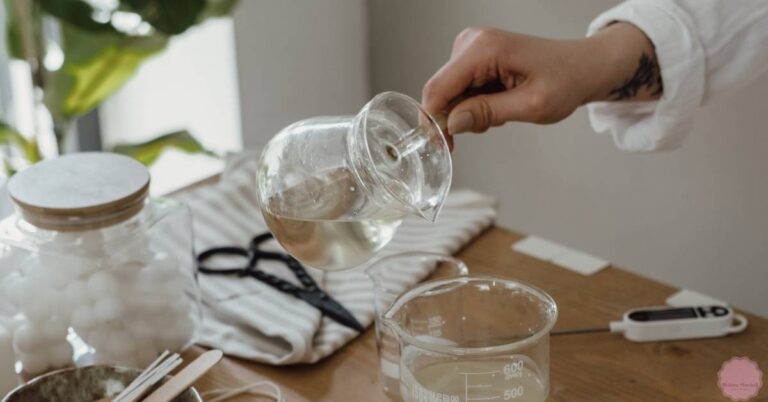
Essential oils are a great way to scent your candles and add therapeutic benefits, but it’s important to use them sparingly. A good rule of
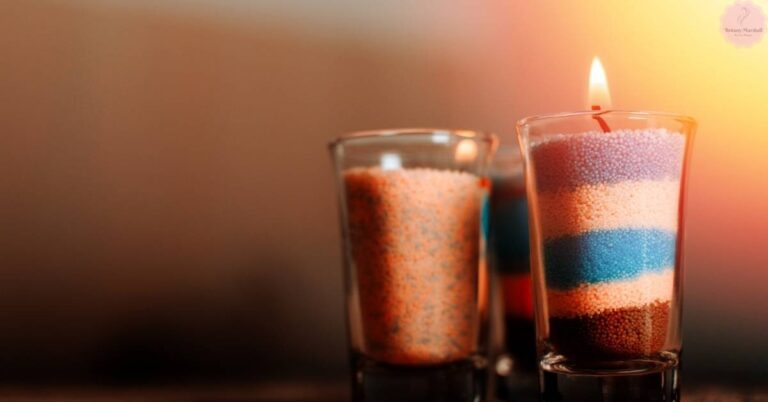
When it comes to making your own candles, you will first need to know how much wax is needed for the size of the container
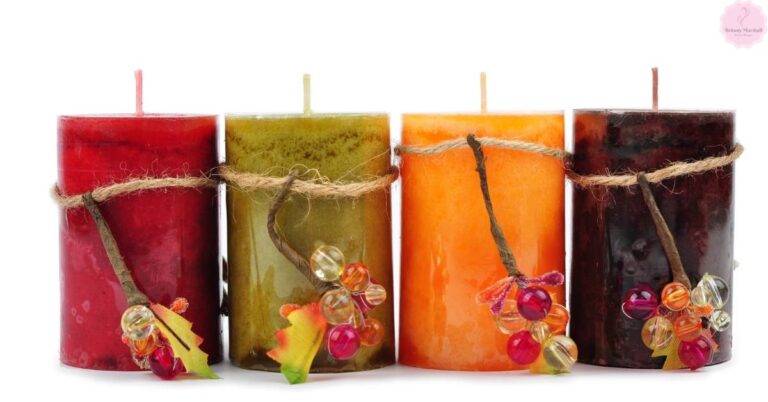
Candlemaking is a centuries-old art, and one of the easiest ways to get into it is by coloring your own candles. Not does this allow
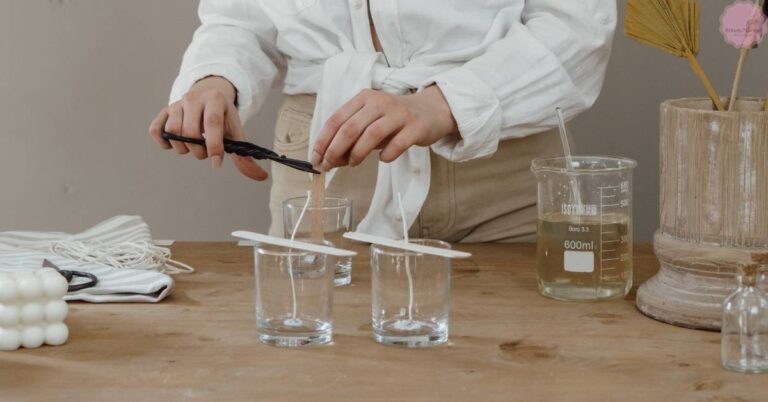
Making candles can be a fun and rewarding experience, but it can also be a bit tricky. Regardless of the type of candle, you are
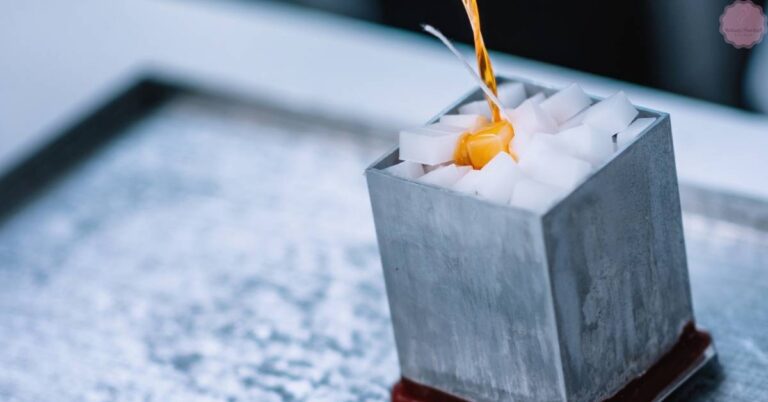
What does it mean when a candle makes popping noises? Candles make popping noises when the wax is heated, and the air bubbles inside the

Candlemaking is all about the temperature game. Learning at what temperature candle wax melts is one of the first and most important things you know
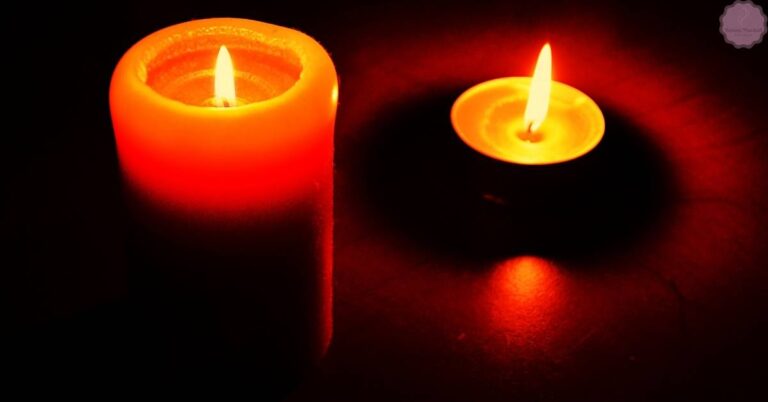
Soy candles are a great way to create a natural and relaxing ambiance in your home. However, before you can enjoy their benefits, you need
 SUMMER IS ALMOST HERE!


The Mitochondrial Difference:
- Targets the ROOT cause of stubborn weight
- Improves skin quality from within
- Reduces bloating & enhances natural energy