
Did you know that a single can of bang Energy contains an intense 300 mg of caffeine-about three times the amount in a regular cup of coffee? While these drinks promise a rapid boost in energy and focus, many people wonder if the health risks might outweigh the benefits. If you’re someone who relies on energy drinks to power through busy days or workouts, you might be concerned about what frequent consumption could mean for your heart, blood pressure, and overall well-being. This article digs deeper into Bang Energy’s ingredient profile and potential effects on your body, sharing insights that doctors don’t always mention upfront. understanding the hidden truths behind these popular beverages can help you make informed choices for your health without giving up the energy you need. Let’s explore what’s really going on beneath the surface of your favorite energy drink.
Contents of Article
- What Is Bang Energy and Its Popularity Explained
- Key Ingredients in Bang Energy Drinks Reviewed
- The Hidden Health Risks of Bang Energy
- How Bang Energy Affects Your Heart and Blood Pressure
- Caffeine Content: Safe Limits and Side effects
- Uncovering the Truth About Artificial Sweeteners
- Energy Drinks vs. Natural Energy Boosters: What’s Better?
- Doctors’ Perspectives: What they Often Don’t Tell You
- Who Should Avoid bang Energy and Why
- Long-Term Effects: What Science Shows So Far
- Alternatives to Bang Energy for Safe Energy Boost
- How to Use Energy Drinks Responsibly Without Harming Your Health
- Frequently Asked Questions
- Closing Remarks
What Is Bang Energy and Its Popularity Explained

Few energy drinks have soared in popularity quite like Bang Energy, which has made a significant mark on the beverage market by appealing heavily to fitness enthusiasts and people with busy lifestyles. Known for its bold marketing and variety of flavors, Bang carved out a niche by promoting itself as a performance-enhancing drink that not only boosts energy but also supports physical endurance and mental focus.This dual promise has resonated strongly with an audience looking for an immediate pick-me-up that also complements their active routines.
What truly sets Bang Energy apart is its positioning as a “clean energy” option – sugar-free and fortified with ingredients like BCAAs (branched-chain amino acids), electrolytes, and CoQ10, which are less common in traditional energy drinks. These additions have helped Bang appeal not just to those seeking caffeine boosts, but also to consumers interested in supplements that supposedly aid muscle recovery and overall wellness. Its broad flavor lineup, including hits like Blue Razz and Peach Mango, also keeps consumers coming back, turning first-time buyers into loyal fans.
- Target Audience: Fitness buffs, gamers, students, and busy professionals who crave a quick and potent energy lift.
- Marketing Strategy: Heavy use of social media influencers and sponsored athletes gives Bang a strong visibility and lifestyle appeal.
- Availability: Widely available online and at major retailers like Amazon and Walmart, making it easy to purchase in multipacks or single servings [[1]] [[2]].
It’s worth noting that while Bang’s aggressive marketing and glossy image contribute to its buzz, many users are drawn by the straightforward affect of its high caffeine content, which delivers a fast, noticeable energy spike. Though, this potent formula also raises questions about safety and long-term impact, especially for those with sensitive health conditions – a topic explored further in later sections. For anyone curious about how to navigate the energy drink landscape, understanding bang’s popularity is a useful first step to seeing the bigger picture behind its widespread use.
Key Ingredients in Bang Energy Drinks Reviewed
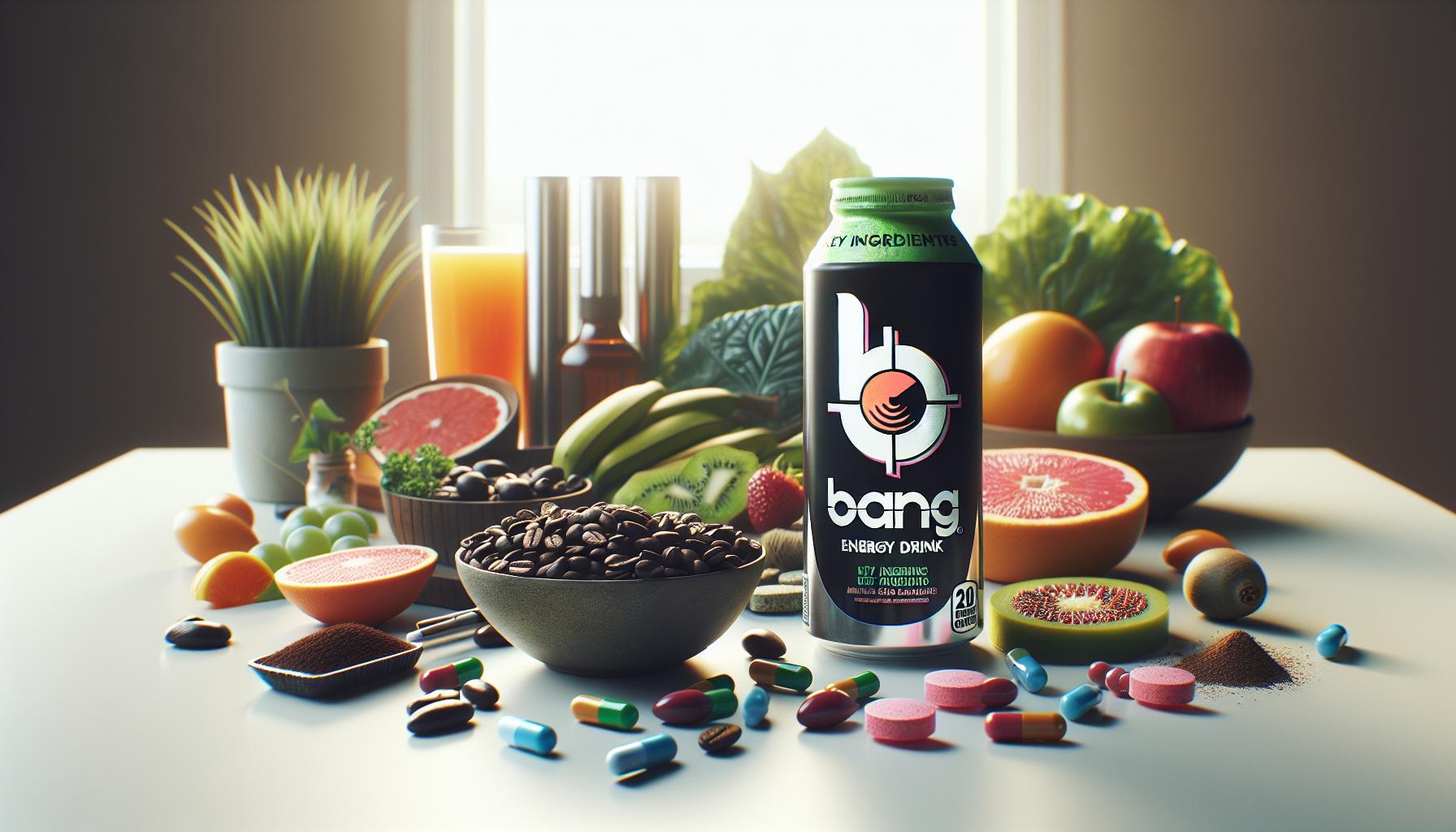
Energy drinks like Bang Energy often captivate consumers with promises of a potent boost, but understanding what’s actually inside each can make a big difference in how you approach its use. Bang Energy stands out in the crowded market primarily because of its unique blend of ingredients-not just caffeine, but also supplements like branched-chain amino acids (BCAAs), electrolytes, and antioxidants, which appeal to those seeking more than just an energy spike.One of Bang’s signature ingredients, BCAAs, play a notable role in muscle recovery and endurance, making this drink popular among athletes and fitness enthusiasts. These amino acids-leucine, isoleucine, and valine-are known to support muscle repair after intense workouts. Including them in an energy drink suggests a dual purpose: providing energy *and* promoting physical resilience. however, it’s vital to remember that the quantities in a single can may not fully replace the benefits one might get from a targeted dietary supplement or balanced nutrition.
Caffeine and its Role
Caffeine is the powerhouse behind Bang’s immediate energizing effect. A typical can packs a hefty dose-around 300 mg,which is roughly three times the amount found in a standard cup of coffee. This explains why many users feel a sharp increase in alertness and focus soon after consumption. but with great caffeine content comes considerations for safety: not everyone tolerates high doses well,and excessive intake can result in jitteriness,heart palpitations,or sleep disturbances. It’s best to gauge your caffeine sensitivity and avoid stacking other sources of caffeine alongside bang in a short period.
Sweetening Agents and Flavor Enhancers
Despite its bold flavors, Bang energy contains zero sugar, relying instead on artificial sweeteners like sucralose to deliver sweetness without calories. While this appeals to those managing calorie intake or blood sugar levels, artificial sweeteners have sparked debate in health communities.Some people report digestive sensitivities or prefer to avoid synthetic additives for personal reasons. Additionally, flavorings labeled as “natural and artificial” add taste variety but may contribute to sensitivities in particularly sensitive individuals.
- Electrolytes: Potassium citrate helps maintain fluid balance and muscle function, especially useful during intense physical activity or heat exposure.
- Preservatives: Sodium benzoate is used to preserve freshness but can sometimes cause reactions in sensitive consumers.
- CoQ10: This antioxidant supports cellular energy production and cardiovascular health,adding a possibly beneficial edge beyond caffeine.
While these components may sound beneficial, the actual health impact depends heavily on your individual health status and how frequently you consume these drinks. For example, regular consumption of high doses of caffeine combined with artificial additives may not align well with long-term wellness for everyone.
Ultimately, understanding these ingredients helps you make informed choices. If you’re relying on Bang for a workout boost, its BCAAs and electrolytes can be helpful supplements in moderation. But if energy drinks are your main source of caffeine and stimulants, you’ll want to stay mindful of your total intake and listen to your body’s responses. Balancing enjoyment with caution is key to using Bang Energy safely and effectively.
for a quick reference, here is a simplified overview of major ingredients and their roles:
| Ingredient | Purpose | Considerations |
|---|---|---|
| Caffeine (~300mg) | Energy boost; increased alertness | High dose; monitor intake carefully |
| BCAAs (Leucine, Isoleucine, valine) | Supports muscle recovery and endurance | Beneficial in workouts; dosages vary |
| Sucralose | Artificial sweetener with zero calories | May cause digestive issues in sensitive people |
| Potassium Citrate | Electrolyte for hydration and muscle function | Helpful but small amounts |
| CoQ10 | Antioxidant to support cellular energy | Potential long-term benefits; more research needed |
The Hidden Health Risks of Bang Energy

Energy drinks like Bang Energy promise a quick and powerful boost, but beneath that surge of energy lie some health concerns that many might not promptly consider. The combination of a very high caffeine dose, artificial sweeteners, and various additives can have unexpected effects-especially if consumed frequently or in large quantities. While many users enjoy the enhanced alertness and workout benefits, it’s important to recognize how these components might subtly impact your well-being over time.
Why High caffeine Content Demands Caution
One of the biggest contributors to Bang Energy’s stimulating power is its caffeine content-approximately 300 mg per can,which is about three times the caffeine in a typical cup of coffee. This high level can easily lead to overstimulation, causing symptoms such as jitteriness, nervousness, or a racing heart. For some, it may also trigger headaches, digestive upset, or restless sleep patterns. If you’re someone who already consumes other caffeinated products or have any heart-related conditions, this can quickly become a concern. It’s best to be mindful of your total daily caffeine intake to avoid exceeding what your body can safely handle[[1]](https://pmc.ncbi.nlm.nih.gov/articles/PMC10535526/).
Hidden Effects of Artificial Sweeteners and Additives
Bang Energy’s use of sucralose to provide sweetness without sugar may seem like a win, but artificial sweeteners are not free from controversy. Some people experience digestive discomfort, such as bloating or diarrhea, after consuming products with these ingredients. Moreover, repeated consumption over time raises questions about how these sweeteners might affect gut health or metabolic processes, though research is still ongoing. Alongside sucralose,preservatives like sodium benzoate could also induce mild allergic reactions or sensitivity in susceptible individuals. While these reactions aren’t common, they are worth noting if you find your body responds differently after drinking Bang[[3]](https://health.clevelandclinic.org/are-energy-drinks-bad-for-you).
The Risk of Overreliance and Addiction
What’s less talked about is how regular use of high-energy drinks might lead to dependency. Because the caffeine kick feels so immediate and effective, it’s easy to develop a habit of relying on Bang Energy to get through sluggish moments or challenging workouts. This can mask underlying issues like poor sleep or nutritional deficiencies, making it harder to maintain balanced natural energy levels.Over time, some might find they require more frequent or larger amounts to achieve the same effect, increasing risks tied to overstimulation[[1]](https://pmc.ncbi.nlm.nih.gov/articles/PMC10535526/).
- Keep Hydration in Check: energy drinks can sometimes act as mild diuretics, leading to slight dehydration if not balanced with water intake.
- Listen to Your Body: If you notice increased heart rate, anxiety, or digestive issues after consuming Bang, consider cutting back or switching to gentler alternatives.
- Limit frequency: Reserving these drinks for occasional use rather than a daily habit helps reduce potential health risks.
Understanding these lesser-known effects helps you make smarter decisions about when and how to enjoy Bang Energy without compromising your health.Remember, energy from stimulants isn’t a substitute for balanced nutrition, restful sleep, and hydration, which are the true foundations of sustained energy and well-being.
How Bang Energy Affects Your Heart and Blood Pressure

Energy drinks like Bang pack a powerful punch, largely due to their high caffeine content, which can have notable effects on your heart and blood pressure. The 300 mg of caffeine per can is significantly higher than many common beverages, and this can cause your cardiovascular system to respond quite strongly. For many people, this might mean a surge in heart rate or a feeling of palpitations, both of which can be uncomfortable and sometimes alarming. If your heart beats faster or irregularly after consuming Bang, that’s your body’s signal that it’s working harder to circulate blood, which is something to take seriously[[2]](https://pmc.ncbi.nlm.nih.gov/articles/PMC5714807/).
Consuming such a high dose of caffeine not only speeds up your heartbeat but also can cause temporary spikes in blood pressure. These increases might not be dangerous for healthy adults in small amounts, but they can raise risks for those with existing heart issues or hypertension. Over time, regular consumption of energy drinks with stimulant levels as high as Bang’s may contribute to sustained high blood pressure – a major risk factor for heart disease and stroke[[3]](https://www.texashealth.org/areyouawellbeing/Heart-Health/Can-Energy-Drink-Consumption-Cause-Major-Heart-Issues). As a notable example, a person who drinks Bang before intense exercise may experience exaggerated cardiovascular strain, increasing chances of arrhythmia or chest discomfort.
Understanding Your Risks and Managing Intake
If you’re curious about how your body reacts, pay attention to signs like dizziness, chest tightness, or excessive heart racing after drinking Bang Energy. Some practical tips to help protect your heart health include:
- Monitor your caffeine: Track all sources of caffeine throughout your day to avoid exceeding safe limits (generally 400 mg per day for most adults).
- Give your body a break: Avoid consuming multiple high-caffeine drinks like Bang back-to-back, and steer clear if you notice any irregular heartbeat symptoms.
- Consult a doctor if you have heart conditions: If you have high blood pressure,arrhythmias,or other cardiovascular concerns,energy drinks are best avoided or only consumed under medical advice.
- Hydrate adequately: Energy drinks can act as mild diuretics, so drinking water helps maintain balance and prevent needless stress on your heart.
Many people underestimate the cumulative effect of caffeine and stimulants on blood pressure and heart rhythm. While occasional consumption might not pose immediate danger, regular reliance on Bang Energy could amplify risks, especially for sensitive individuals. Embracing a cautious approach that balances occasional use with awareness of your cardiovascular signals will safeguard your energy and your heart alike.
Caffeine Content: Safe Limits and Side effects

Caffeine is one of the most widely consumed stimulants worldwide, and its presence in energy drinks like Bang Energy is a big part of what fuels their popularity. However, the 300 mg of caffeine in each can of Bang is considerably higher than what you’d find in a typical cup of coffee (usually around 80-100 mg). This means that when you grab a Bang, you’re taking in a hefty dose that can light up your nervous system quickly-but not without some potential trade-offs.
For many people, moderate caffeine intake can boost alertness, focus, and physical performance. But tipping over the safe threshold can lead to unwelcome side effects such as jitteriness, headaches, or digestive upset. The general guideline for healthy adults is to keep caffeine consumption under 400 mg per day,which means that a single Bang Energy drink puts you close to-or even beyond-that limit,especially if you consume other caffeinated products throughout your day. Kids, pregnant individuals, and people sensitive to caffeine should aim for much less or avoid it altogether.
As Bang packs such a potent punch all at once, your body might respond differently than with smaller, spread-out doses. Some people experience rapid heart rate, anxiety, or even sleep disturbances after just one can. Others might not feel these effects as strongly,but that doesn’t mean they’re immune to the subtle strain on their cardiovascular system. Your tolerance can also shift based on stress, hydration, or how much food you’ve eaten alongside the drink, so it’s critically important to listen closely to your body’s signals.
Practical Tips for Managing Caffeine Intake from Bang energy
- Space out your caffeinated drinks: Avoid drinking multiple servings of Bang or other high-caffeine beverages in a short period. Give your system at least several hours between doses to metabolize the caffeine safely.
- Watch your total daily caffeine: Remember to count coffee, tea, sodas, and supplements so you don’t unintentionally overdo it, which raises your risk of side effects.
- Stay hydrated: Caffeine can have a mild diuretic effect, so drinking water helps flush excess stimulants and supports your overall cardiovascular health.
- Recognize warning signs: If you feel your heart racing, get headaches, tummy upset, or experience dizziness, these are clear signals to reduce or skip caffeine intake.
- Consult your healthcare provider: If you have high blood pressure, heart conditions, anxiety disorders, or sleep problems, discuss your energy drink use with your doctor to ensure it’s safe.
| Drink | Caffeine Content (mg) |
|---|---|
| Bang Energy (1 can, 16 oz) | 300 |
| Typical Brewed Coffee (8 oz) | 80-100 |
| Red Bull (8.4 oz) | 80 |
| Monster Energy (16 oz) | 160 |
Understanding the high caffeine content in Bang Energy helps you make informed decisions about when and how much to consume. While it can give you a powerful lift, respect for its potency is crucial to avoid uncomfortable side effects and protect your heart health. By balancing your intake thoughtfully and staying tuned to how you feel, you can enjoy the benefits of energy support without the drawbacks many don’t warn you about.
Uncovering the Truth About Artificial Sweeteners
Most people are drawn to Bang Energy in part because it promises a sweet, energizing taste without the usual calories or sugar crash. But how does it achieve that sweetness if it contains zero sugar? The answer lies in artificial sweeteners-specifically, sucralose and acesulfame potassium-which mimic the sensation of sugar on your taste buds but provide no calories or usable energy for your body[[1]](https://www.quora.com/How-does-a-Bang-energy-drink-have-0-calories-or-sugars-but-taste-sweeter-than-actual-sodas). While they help keep the calorie count low and satisfy your sweet tooth, the presence of these additives often raises questions about their broader impact on health.
Artificial sweeteners like sucralose (commonly known by the brand name Splenda) and acesulfame potassium (Ace-K) are approved by regulatory bodies worldwide and are considered safe in moderate amounts. Though, some individuals report sensitivity to these compounds, experiencing digestive discomfort or headaches after consumption. There’s also ongoing debate about how steady, long-term intake might influence gut health or metabolic responses, though conclusive scientific evidence remains limited. This nuance is critically important if you consume multiple artificially sweetened products daily, potentially adding up to higher-than-expected intake.
Balancing Sweetness and Health
- Monitor how your body reacts: Pay attention to any unusual symptoms like bloating, stomach upset, or headaches after consuming Bang or other products with artificial sweeteners.
- Consider your total daily intake: Remember that artificial sweeteners appear in many processed foods and drinks-not just energy beverages. Keeping track helps prevent excessive cumulative exposure.
- Experiment with alternatives: If you suspect sensitivity, try limiting artificial sweeteners for a few days to see if you feel better. Natural sweeteners or unsweetened options might be preferable for some.
Many users appreciate Bang’s zero-sugar label,especially if they’re managing weight or blood sugar levels. Yet, it’s worth knowing that artificial sweeteners don’t necessarily trigger weight loss or metabolic benefits for everyone. Some studies suggest they may subtly influence insulin response or cravings for sweeter foods down the line, but these effects vary widely. The key is thoughtful moderation rather than outright avoidance or overconsumption.
| Sweetener | Common Use | Notes |
|---|---|---|
| Sucralose | Low-calorie sweetener in drinks, baked goods | Stable at high temperatures, generally well tolerated |
| Acesulfame potassium (Ace-K) | Often blended with other sweeteners for synergy | Can leave slight aftertaste; safety approved globally |
In the world of energy drinks, these artificial agents offer a clever way to deliver a sweet flavor punch without dragging you into calorie overconsumption. But just like caffeine, they require respect and awareness. For those mindful about their health journey, considering both caffeine and sweetener intake holistically ensures you don’t trade one risk for another unknowingly. If you’re uncertain about how these ingredients fit into your lifestyle, working with a healthcare professional can definitely help clarify what’s right for your body and energy needs.
Energy Drinks vs. Natural Energy Boosters: What’s Better?

Energy-boosting choices often come down to a trade-off between convenience and wellness, especially when comparing energy drinks like Bang to natural alternatives. While those flashy cans promise a quick jolt with zero sugar and low calories, the reality is that their energy is typically powered by synthetic caffeine and artificial sweeteners. Natural energy boosters,on the other hand,tend to provide a steadier,more balanced uplift without the sharp spikes and crashes associated with many commercial energy drinks.
Natural options such as green tea, matcha, or beetroot juice offer antioxidants, vitamins, and minerals that not only activate your energy levels but also support overall health over time. These sources usually release caffeine more slowly, which reduces jitters and helps sustain focus longer. Plus, foods rich in complex carbohydrates-like oats or bananas-can fuel your body gently, making them excellent choices for sustained physical or mental exertion.
Balancing Quick Fixes with Long-Term Wellness
- Consider your energy needs: If you’re after a quick boost before a workout or an all-nighter, an energy drink like Bang might seem tempting-but it’s smart to check how your body reacts to its high caffeine content and artificial sweeteners.
- Explore natural alternatives: Substituting with green tea or a smoothie made from nutrient-dense ingredients can provide energy without overwhelming your system.
- Hydration matters: Sometimes fatigue is masked dehydration-drinking water or coconut water can refresh your energy levels naturally.
While the marketing behind products like Bang Energy highlights zero sugars and powerful stimulation, it’s important to remember that their “energy” often comes with a cost. For some, artificial sweeteners and a caffeine rush can lead to unwanted side effects, like increased heart rate or digestive discomfort.Conversely,natural energy boosters often come with additional health perks,such as improved digestion or antioxidant benefits.
| Type | Examples | Pros | Cons |
|---|---|---|---|
| Energy Drinks (e.g., Bang) | Contains caffeine, sucralose, Ace-K | Quick energy spike, convenient, zero sugar | Potential jitters, artificial ingredients, possible long-term risks |
| Natural Boosters | Green tea, matcha, fruits, nuts | Rich in nutrients, sustained energy, fewer side effects | May take longer to feel effects, less convenient on-the-go |
Ultimately, the better choice depends on your unique lifestyle and health goals.If you opt for energy drinks, doing so sparingly and paying close attention to your body’s signals is wise. for consistent, gentle energy that fuels both mind and body, natural sources remain the gold standard. taking a balanced approach allows you to enjoy the perks of both worlds-without sacrificing your wellbeing.
Doctors’ Perspectives: What they Often Don’t Tell You

Many healthcare professionals acknowledge the growing popularity of energy drinks like bang, yet often stop short of detailing their full impact on the body in everyday conversations. What goes unsaid frequently revolves around the cumulative effects of frequent consumption, the variability in individual tolerance, and the limitations of current research-areas where doctors tread carefully to avoid alarm but where openness could better inform your choices.
One key insight doctors quietly emphasize is how the potent caffeine dose in Bang Energy can affect people differently. While a healthy adult might tolerate one can without issue, others-especially those with underlying heart conditions, anxiety, or sensitivity to stimulants-may experience symptoms such as rapid heartbeat, jitteriness, or elevated blood pressure. These effects may not always be immediately obvious in a clinical setting but can significantly impact your day-to-day wellbeing. For example,someone not accustomed to high caffeine might find their sleep disrupted or notice increased nervousness,both of which can spiral into longer-term health issues if ignored.
- Hidden interactions: Caffeine combined with other ingredients like branched-chain amino acids (BCAAs) or artificial sweeteners may amplify side effects or cause digestive discomfort, but these interactions are rarely a focus during brief medical visits.
- Regulatory and research gaps: As energy drink formulas can change and rigorous long-term studies are limited, doctors frequently enough base advice on general stimulant cautions rather than Bang-specific data, leaving some uncertainty in their guidance.
- Personalized risk assessment: Many practitioners will advise moderation but rely on you to self-monitor for adverse reactions, which means being attentive to how your body feels after consuming Bang is crucial.
What to Keep in Mind When Consulting Your Doctor
When you talk to healthcare providers about energy drinks, it’s helpful to be upfront about your consumption habits. Don’t hesitate to mention how often you drink Bang or similar products, along with any new symptoms you’ve noticed. Doctors can provide tailored advice or recommend monitoring strategies that help mitigate risks. For instance,if you have mild hypertension,your doctor might suggest limiting caffeine intake or opting for alternative energy sources altogether.Ultimately, medical professionals’ reticence to openly critique energy drinks often stems from a need to balance caution with available evidence. They prioritize safe consumption but may leave nuances to you, the consumer, highlighting the importance of being proactive. Understanding this dynamic empowers you to make informed choices, listen closely to your body’s signals, and seek guidance whenever in doubt.
| Doctor’s Advice Focus | Practical Takeaway for You |
|---|---|
| Moderation over elimination | Limit Bang Energy to occasional use rather than daily consumption |
| Watch for symptom changes | Note heart rate, sleep quality, and mood shifts after drinking |
| Consider health conditions | Discuss any heart, anxiety, or digestive issues with your doctor before consumption |
| Balance caffeine sources | Mix Bang with natural energy boosters or hydration to reduce side effects |
Who Should Avoid bang Energy and Why
Energy drinks like Bang can seem like a quick fix for fatigue or midday slumps, but they’re not suitable for everyone. Understanding exactly who should steer clear of Bang Energy-and why-can definitely help you protect your health without missing out on sustained energy when you genuinely need it.
people with heart problems, including high blood pressure, arrhythmias, or a history of cardiovascular disease, should be particularly cautious. Bang Energy’s high caffeine content combined with other stimulants such as taurine may increase heart rate and blood pressure, putting extra strain on the cardiovascular system. Even if you feel fine after one can,repeated exposure could compound risks silently over time. For example, individuals with hypertension might not see immediate symptoms but could experience long-term aggravation of their condition [[1]](https://lifeboostcoffee.com/blogs/lifeboost/is-bang-energy-drink-unhealthy-heres-what-you-need-to-know-about-its-ingredients?srsltid=AfmBOoogvyqm-T7QOmqfrvjhaAUqqHcASESGbPO0oEJwHpGh-rK0abOU).
Those sensitive to stimulants or prone to anxiety also stand to gain little from Bang Energy. The potent blend of caffeine and BCAAs may trigger jitteriness, nervousness, or increased heart palpitations. Even if anxiety hasn’t been a problem before, the artificial stimulation may provoke uncomfortable symptoms that impact your mental wellbeing or disrupt sleep patterns-effects that are often overlooked but can accumulate with frequent use.
Why Young People and Pregnant Women Should Avoid Bang
Young adults and teenagers are frequently enough drawn to energy drinks for their marketing appeal and promise of ‘extra power.’ Though, their developing bodies and brains are especially vulnerable to excessive caffeine and stimulants. The risk of addiction, disrupted sleep cycles, and behavioral changes is higher, and professional advice usually recommends abstinence or extreme caution.
Pregnant or breastfeeding individuals should avoid Bang Energy altogether. High caffeine intake has been linked to increased risks of miscarriage, low birth weight, and developmental issues. Plus, the cocktail of artificial sweeteners and additives in Bang lacks clear safety data during pregnancy, making it a risky choice for both mother and child.
Other Groups Who Need to Be Careful
- People with digestive sensitivities: Ingredients like artificial sweeteners and BCAAs may cause bloating, gas, or stomach discomfort.
- Those taking certain medications: Stimulants in Bang Energy can interact unpredictably with prescription drugs, especially for heart or mental health conditions. Always check with your doctor.
- individuals with sleep disorders: consuming high-caffeine drinks like Bang close to bedtime can worsen insomnia and reduce sleep quality.
| Who Should Avoid Bang Energy | Why |
|---|---|
| People with heart conditions or hypertension | Risk of elevated heart rate, blood pressure, and cardiovascular strain |
| Individuals sensitive to caffeine or stimulants | Potential for anxiety, jitteriness, and sleep disruption |
| Youth and teenagers | Developing bodies vulnerable to stimulant overexposure and behavioral effects |
| Pregnant and breastfeeding women | Potential harm to fetus or infant from caffeine and additives |
| People with digestive or medication sensitivities | Possible digestive discomfort or harmful drug interactions |
If you fall into any of these categories, it’s wise to either avoid Bang Energy drinks altogether or consult your healthcare provider before trying them. Listening to your body’s signals and choosing safer alternatives suited to your health profile will always serve you better in the long run. Making informed decisions about energy products empowers you to maintain both your energy and your wellbeing without unnecessary risks.
Long-Term Effects: What Science Shows So Far

Many people turn to energy drinks like Bang for a quick surge of alertness or focus, but what happens when these drinks become part of your routine over months or years? Science is steadily uncovering how long-term consumption of high-caffeine energy drinks can quietly wear on your body, frequently enough without obvious symptoms at first. It’s important to understand these potential effects to make informed choices that protect your health down the road.
Repeated exposure to large amounts of caffeine and other stimulants found in Bang can lead to more than just temporary jitteriness or sleep disturbances. Studies show that chronic consumption may contribute to persistent increases in heart rate and blood pressure, which over time strain your cardiovascular system. Even if you don’t feel immediate discomfort, this subtle stress can increase risks for hypertension, arrhythmias, and other heart-related issues [[2]](https://pmc.ncbi.nlm.nih.gov/articles/PMC10535526/). For those with underlying heart vulnerabilities, this means what seems like harmless energy boosts could escalate into serious problems.
Beyond heart health, habitual intake of artificial sweeteners and additives common in Bang Energy may impact gastrointestinal comfort and metabolism. Some research suggests that artificial sweeteners might alter gut bacteria balance and glucose response, although findings are still emerging. if you notice bloating or digestive discomfort after regular consumption, it might very well be linked to these ingredients working behind the scenes. Moreover, the addiction potential is real; repeated stimulation of your nervous system with caffeine can create a cycle where you need increasing amounts to feel alert, possibly leading to dependence and withdrawal symptoms when you stop.
Tips for Staying Safe If You Choose to Use bang Energy Long-Term
- Monitor your intake: Keep daily caffeine consumption under 400 mg, spacing drinks out to avoid spikes.
- Watch your body’s signals: Notice any persistent heart palpitations, jitteriness, or sleep problems, and consider cutting back.
- Stay hydrated and eat balanced meals: Energy drinks aren’t substitutes for nutrition; pairing them with food supports metabolism and reduces side effects.
- Consult health professionals: Regular check-ups can catch early signs of blood pressure or heart issues before they escalate.
Long-term effects aren’t an inevitable consequence if you use energy drinks sparingly and responsibly. However, understanding that what feels like a helpful pick-me-up today might subtly affect your system later empowers you to weigh options wisely. If you find yourself relying heavily on products like Bang Energy regularly, it may be worth exploring natural energy-boosting habits such as quality sleep, hydration, regular exercise, and mindful nutrition – all of which support sustained vitality without the unseen costs.
| Potential Long-term Effect | What Science Indicates |
|---|---|
| Cardiovascular strain | Increased heart rate and blood pressure risks, potential for arrhythmias |
| Caffeine dependence | Need for higher doses, withdrawal symptoms like headaches and fatigue |
| Sleep disruption | Chronic poor sleep quality, increased anxiety, daytime drowsiness |
| Digestive issues | Bloating, altered gut microbiome, possible glucose metabolism changes |
When it comes to your long-term well-being, being informed and intentional about energy drink use is key. By listening carefully to how your body responds and prioritizing safer energy strategies, you’ll set yourself up for lasting health and sustained performance without sacrificing your peace of mind.
Alternatives to Bang Energy for Safe Energy Boost

Energy slumps are a common challenge, but relying on high-caffeine energy drinks like Bang Energy may not be the safest long-term strategy. Fortunately, there are plenty of effective alternatives that provide a natural boost without the intense stimulants and artificial additives. Switching to these options can support sustained energy, improve overall well-being, and reduce the risks linked to heavy energy drink consumption.
Natural Sources of Energy to Try Instead
- Green Tea: A well-known alternative that delivers a gentler caffeine lift combined with antioxidants. Its lower caffeine content helps avoid the jitteriness often caused by stronger energy drinks, making it easier on your heart and nervous system.
- MATCHA POWDER: This powdered form of green tea offers a concentrated source of antioxidants and a steadier energy release thanks to L-theanine, which promotes calm focus alongside alertness.
- yerba Mate: Popular in South America, this herbal tea provides caffeine with additional vitamins and minerals. Many find it smooth and less likely to cause crashes than synthetic energy drinks.
Boosting Energy Through Lifestyle Habits
Instead of turning to caffeine first thing, consider reinforcing the foundation of your energy levels by focusing on your daily habits. Getting quality sleep, staying well-hydrated, and maintaining a balanced diet rich in whole foods can dramatically influence your natural vitality. Regular physical activity, even simple walks or stretching breaks, enhances circulation and mental alertness, reducing dependence on external stimulants.
Choosing Alternative Energy Drinks Wisely
If you prefer convenient beverages but want to avoid Bang Energy’s high caffeine and additives, there are several brands offering cleaner formulas. Drinks like Celsius, Reign Total Body Fuel, and Ghost are popular among those seeking energy boosts with fewer artificial ingredients and sugar content. They frequently enough incorporate natural caffeine sources, electrolytes, and vitamins, which can support hydration and recovery better than typical energy drinks [[2]](https://www.tastingtable.com/1699087/energy-drink-brands-ranked/).
Here’s a quick comparison table of some popular Bang Energy alternatives showcasing caffeine levels and key features:
| Brand | Caffeine Content | Key Benefits |
|---|---|---|
| Celsius | 200 mg | Natural caffeine, no artificial preservatives or sweeteners |
| Reign Total Body Fuel | 300 mg | Electrolytes, BCAAs for muscle recovery |
| Ghost Energy | 200 mg | Clear labeling, natural flavors |
| Yerba Mate Tea (brewed) | 30-50 mg | Rich in antioxidants, vitamins |
Practical Tips for Transitioning Away from Bang Energy
- Start small: Gradually replace your daily Bang with natural teas or lower-caffeine alternatives to minimize withdrawal symptoms.
- Hydrate regularly: Often what feels like tiredness is mild dehydration-drink water consistently throughout the day.
- Incorporate mindful breaks: Instead of reaching for a can every time, try brief meditation, breathing exercises, or light movement to refresh your focus.
- Keep healthy snacks handy: Nutritious foods like nuts, fruit, or yogurt can provide steady energy and reduce sugar cravings.
Choosing safer energy boosters doesn’t mean sacrificing performance or alertness. By embracing natural ingredients and habits that support your body’s rhythm, you’ll find a more balanced way to stay energized. This approach fosters long-term wellness by sidestepping the hidden health risks associated with regular Bang Energy consumption, addressing your energy needs with both joy and care.
For additional ideas on caffeine alternatives that offer a lift without compromise, sources like Live Naturally magazine suggest exploring newer beverages and natural options, helping you find what truly works for your lifestyle [[1]](https://livenaturallymagazine.com/lifestyle/education/3-coffee-alternatives-for-your-caffeine-fix-bang-energy/).
How to Use Energy Drinks Responsibly Without Harming Your Health
Most people reach for energy drinks like Bang when they need a quick pick-me-up-but without careful use, even these popular beverages can do more harm than good. Managing energy drink consumption thoughtfully means recognizing your body’s signals and building habits that protect your health while still supporting your alertness and performance.
Understanding your own tolerance is key. Bang Energy packs a hefty caffeine punch-frequently enough as much as or more than two cups of coffee in a single can-which can overwhelm your system if consumed too quickly or in large amounts. To avoid negative effects such as jitteriness, headaches, or increased heart rate, it’s best to limit yourself to no more than one serving per day and avoid combining it with other caffeinated products. Space out your intake so your body has time to process the stimulant load without causing undue stress.
Smart Practices for energy drink Use
- Hydrate alongside your drink: Energy drinks can be dehydrating. Drinking water before, during, and after helps balance this out and aids in preventing fatigue and headaches.
- Consume with food: Taking Bang Energy on an empty stomach may spike your energy quickly but can also cause nausea or digestive discomfort. Pairing it with a nutritious snack stabilizes your blood sugar and may sustain the energizing effect.
- Avoid late-day consumption: Due to its high caffeine content, drinking Bang in the afternoon or evening can disrupt sleep patterns.Aim to finish your last energy drink at least 6 hours before bedtime to preserve restful sleep cycles.
- Be mindful of your health conditions: Anyone with heart problems, hypertension, anxiety disorders, or sensitivities to caffeine should avoid or consult a doctor before using Bang or similar energy drinks.
integrating Energy drinks Responsibly Into Your Routine
Rather than relying on Bang as a daily crutch, think of it as an occasional tool to overcome particularly stressful days or extended mental focus. Consider keeping a log of when and how you feel after consuming an energy drink to identify patterns and potential side effects. This small habit can reveal limits you might not have noticed or else.
Practical examples include using Bang before a demanding workout or during a long meeting while ensuring you’re well-hydrated and have eaten recently.On less hectic days, replace Bang with gentler, natural energy sources like green tea or a short walk outside. This balance supports sustained vitality without taxing your cardiovascular system or nervous system unnecessarily.
Ultimately, responsible consumption is about tuning in to your body’s real needs-using energy drinks strategically without depending on them as your only source of fuel. By paying attention to dosage, timing, hydration, and your overall lifestyle, you can enjoy the benefits of Bang Energy while minimizing risks and fostering a healthier, more enduring approach to your energy levels.
Frequently Asked Questions
Q: How does bang Energy impact mental focus and cognitive function beyond caffeine?
A: Bang Energy may boost mental focus temporarily thanks to ingredients like caffeine and amino acids, but excessive use can cause jitters or anxiety, negatively affecting cognitive clarity. For better long-term results, consider natural focus enhancers discussed in our section on natural energy boosters for a balanced approach.Q: What are the potential risks of combining Bang Energy with medications or supplements?
A: Combining Bang Energy with certain medications, especially stimulants or blood pressure drugs, can increase risks like elevated heart rate or interactions. Always consult your doctor and review who should avoid Bang Energy to prevent harmful side effects and ensure safe consumption.Q: why do some doctors hesitate to fully disclose all risks associated with Bang Energy drinks?
A: some doctors may prioritize immediate caffeine effects and overlook long-term concerns due to limited research or patient time constraints. Our article’s Doctors’ Perspectives: What They Often Don’t Tell You highlights these gaps, encouraging informed, cautious use for your health.Q: How can teenagers safely approach energy drinks like Bang Energy?
A: Teens should avoid Bang Energy due to high caffeine levels, which can affect developing brains and increase heart risks. For younger users, exploring alternatives to Bang Energy for safe energy boosts promotes healthier habits without adverse effects.Q: What makes Bang Energy different from traditional sugary energy drinks in terms of health impact?
A: Unlike many sugary energy drinks,Bang Energy often uses artificial sweeteners and high caffeine,which may avoid sugar crashes but still pose cardiovascular and nervous system risks. Check our comparison in Energy Drinks vs. Natural Energy Boosters for healthier choices.Q: How quickly can the side effects of Bang Energy drinks appear after consumption?
A: Side effects like jitteriness, increased heart rate, or anxiety can appear within minutes due to high caffeine content. Monitoring your body’s response, as explained in how Bang Energy Affects Your Heart and blood Pressure, helps manage risks effectively.Q: can drinking Bang Energy regularly affect sleep patterns and recovery?
A: Regular Bang Energy consumption, especially later in the day, can disrupt sleep cycles leading to insomnia and poor recovery. Refer to our caffeine Content: Safe Limits and Side Effects section to optimize timing and avoid negative sleep impacts.Q: What practical steps can I take to minimize health risks while consuming Bang Energy drinks?
A: To minimize risks, limit intake to recommended caffeine limits, avoid mixing with alcohol or medications, and stay hydrated. Learn more in How to Use Energy Drinks Responsibly Without Harming Your Health to enjoy energy boosts safely and sustainably.
A: Combining Bang Energy with certain medications, especially stimulants or blood pressure drugs, can increase risks like elevated heart rate or interactions. Always consult your doctor and review who should avoid Bang Energy to prevent harmful side effects and ensure safe consumption.
Q: why do some doctors hesitate to fully disclose all risks associated with Bang Energy drinks?
A: some doctors may prioritize immediate caffeine effects and overlook long-term concerns due to limited research or patient time constraints. Our article’s Doctors’ Perspectives: What They Often Don’t Tell You highlights these gaps, encouraging informed, cautious use for your health.Q: How can teenagers safely approach energy drinks like Bang Energy?
A: Teens should avoid Bang Energy due to high caffeine levels, which can affect developing brains and increase heart risks. For younger users, exploring alternatives to Bang Energy for safe energy boosts promotes healthier habits without adverse effects.Q: What makes Bang Energy different from traditional sugary energy drinks in terms of health impact?
A: Unlike many sugary energy drinks,Bang Energy often uses artificial sweeteners and high caffeine,which may avoid sugar crashes but still pose cardiovascular and nervous system risks. Check our comparison in Energy Drinks vs. Natural Energy Boosters for healthier choices.Q: How quickly can the side effects of Bang Energy drinks appear after consumption?
A: Side effects like jitteriness, increased heart rate, or anxiety can appear within minutes due to high caffeine content. Monitoring your body’s response, as explained in how Bang Energy Affects Your Heart and blood Pressure, helps manage risks effectively.Q: can drinking Bang Energy regularly affect sleep patterns and recovery?
A: Regular Bang Energy consumption, especially later in the day, can disrupt sleep cycles leading to insomnia and poor recovery. Refer to our caffeine Content: Safe Limits and Side Effects section to optimize timing and avoid negative sleep impacts.Q: What practical steps can I take to minimize health risks while consuming Bang Energy drinks?
A: To minimize risks, limit intake to recommended caffeine limits, avoid mixing with alcohol or medications, and stay hydrated. Learn more in How to Use Energy Drinks Responsibly Without Harming Your Health to enjoy energy boosts safely and sustainably.
A: Teens should avoid Bang Energy due to high caffeine levels, which can affect developing brains and increase heart risks. For younger users, exploring alternatives to Bang Energy for safe energy boosts promotes healthier habits without adverse effects.
Q: What makes Bang Energy different from traditional sugary energy drinks in terms of health impact?
A: Unlike many sugary energy drinks,Bang Energy often uses artificial sweeteners and high caffeine,which may avoid sugar crashes but still pose cardiovascular and nervous system risks. Check our comparison in Energy Drinks vs. Natural Energy Boosters for healthier choices.Q: How quickly can the side effects of Bang Energy drinks appear after consumption?
A: Side effects like jitteriness, increased heart rate, or anxiety can appear within minutes due to high caffeine content. Monitoring your body’s response, as explained in how Bang Energy Affects Your Heart and blood Pressure, helps manage risks effectively.Q: can drinking Bang Energy regularly affect sleep patterns and recovery?
A: Regular Bang Energy consumption, especially later in the day, can disrupt sleep cycles leading to insomnia and poor recovery. Refer to our caffeine Content: Safe Limits and Side Effects section to optimize timing and avoid negative sleep impacts.Q: What practical steps can I take to minimize health risks while consuming Bang Energy drinks?
A: To minimize risks, limit intake to recommended caffeine limits, avoid mixing with alcohol or medications, and stay hydrated. Learn more in How to Use Energy Drinks Responsibly Without Harming Your Health to enjoy energy boosts safely and sustainably.
A: Side effects like jitteriness, increased heart rate, or anxiety can appear within minutes due to high caffeine content. Monitoring your body’s response, as explained in how Bang Energy Affects Your Heart and blood Pressure, helps manage risks effectively.
Q: can drinking Bang Energy regularly affect sleep patterns and recovery?
A: Regular Bang Energy consumption, especially later in the day, can disrupt sleep cycles leading to insomnia and poor recovery. Refer to our caffeine Content: Safe Limits and Side Effects section to optimize timing and avoid negative sleep impacts.Q: What practical steps can I take to minimize health risks while consuming Bang Energy drinks?
A: To minimize risks, limit intake to recommended caffeine limits, avoid mixing with alcohol or medications, and stay hydrated. Learn more in How to Use Energy Drinks Responsibly Without Harming Your Health to enjoy energy boosts safely and sustainably.
A: To minimize risks, limit intake to recommended caffeine limits, avoid mixing with alcohol or medications, and stay hydrated. Learn more in How to Use Energy Drinks Responsibly Without Harming Your Health to enjoy energy boosts safely and sustainably.
For deeper insights, explore the full article sections referenced above and stay informed about safer energy alternatives!
Closing Remarks
Understanding the full picture behind Bang Energy’s effects helps you make smarter choices about your health and energy needs. While it offers a quick boost, being aware of potential risks and what doctors often don’t highlight ensures you stay informed and empowered. If you’re curious about safer energy alternatives or want tips on managing energy levels naturally, don’t miss our in-depth guides on energy drink safety and healthy lifestyle habits.
Ready to take control of your energy without compromise? Explore our detailed reviews and expert advice on popular energy drinks, including alternatives to Bang Energy, by checking out our related articles here and here. Sign up for our newsletter to get the latest updates, expert insights, and exclusive offers delivered straight to your inbox. Have questions or personal experiences with Bang Energy? Share your thoughts in the comments below-we love hearing from you and continuing the conversation.
By staying informed and considering all angles, you’re choosing a healthier path forward. Keep exploring, stay curious, and let us be your trusted resource for everything related to energy drinks, wellness, and more.