
Did you know that millions reach for a can of Red Bull each day to boost energy and focus, but few stop to ask-could it be harming your health? This article dives into the health risks linked to Red Bull and similar energy drinks, helping you understand what’s really inside your favorite pick-me-up. If you’ve ever wondered whether the rapid energy boost is worth potential side effects or how these drinks affect your body, you’re in the right place. We’ll break down the facts in a straightforward, amiable way so you can make informed choices about your energy habits without the guesswork. Let’s explore what science says about the safety of Red Bull, so you can feel confident about how you fuel your day.
Contents of Article
- What Is Red Bull and How Does It Work?
- Key Ingredients Behind Red Bull’s Energy Boost
- Short-Term Effects of Drinking Red bull on Your body
- Hidden Health Risks of Regular red Bull Consumption
- How Red Bull Impacts Heart Health and Blood Pressure
- The Link Between Red Bull and Mental health Concerns
- Who Should Avoid Red Bull? Risk Groups Explained
- Comparing Red Bull with Other Energy Drinks and Alternatives
- Safe Consumption Tips: How Much Red Bull is Too Much?
- Debunking Common Myths About Red Bull’s Safety
- Energy Drinks and Addiction: What You Need to Know
- Natural Ways to Boost Energy Without Red Bull
- FAQ
- Q: Can Red Bull consumption affect sleep quality even if consumed earlier in the day?
- Q: How does Red Bull interact with common medications or supplements?
- Q: Does Red Bull consumption increase the risk of dehydration during exercise?
- Q: Is it safe to mix Red Bull with alcohol, and what are the risks?
- Q: Can red Bull contribute to long-term metabolic issues like diabetes?
- Q: How does Red Bull impact children and adolescents differently than adults?
- Q: What are the warning signs of energy drink overconsumption I should watch for?
- Q: are there safer energy-boosting options compared to Red Bull for daily use?
- Final Thoughts
What Is Red Bull and How Does It Work?
Red Bull is one of the most recognizable energy drinks worldwide, famous for its promise to quickly boost your alertness and stamina. At its core,Red Bull is a caffeinated beverage designed to stimulate your central nervous system,helping to shake off fatigue and improve focus. But how exactly does it achieve this effect? The answer lies in its carefully balanced blend of ingredients that work together to deliver that characteristic burst of energy.The primary active component in Red Bull is caffeine, which acts as a stimulant to block adenosine – a neurotransmitter that promotes sleep and relaxation. By preventing adenosine from binding to receptors in your brain, caffeine temporarily wardens off feelings of tiredness and triggers a release of stimulating neurotransmitters like dopamine and norepinephrine. This leads to increased mental alertness and a heightened sense of energy.
Though, caffeine isn’t working alone. Red Bull’s formula also contains taurine, an amino acid believed to support neurological progress and regulate water and mineral levels in the blood. While the scientific community continues to explore taurine’s true impact, it’s commonly thought to work synergistically with caffeine to improve physical performance, especially during high-intensity activities. Additionally, B-group vitamins in Red Bull help your body convert food into usable energy, further enhancing that revitalizing effect.
- Caffeine: The key stimulant that boosts alertness and concentration.
- Taurine: An amino acid that may support brain and muscle function.
- B Vitamins: Nutrients that aid energy metabolism.
- Sugar: Provides a quick source of calories for immediate energy (though sugar-free versions are also popular).
While many of us rely on energy drinks like Red Bull to power through a long day or workout, it’s crucial to understand what’s happening inside your body when you consume it. The immediate surge you feel comes from biochemical reactions spurred mostly by caffeine and sugar. But these effects are temporary, and your system gradually adapts, so the way red Bull works can vary depending on your tolerance, physical condition, and dosage.Knowing this can help you make informed choices about when and how to use energy drinks responsibly, ensuring you get the intended alertness boost without overstressing your body.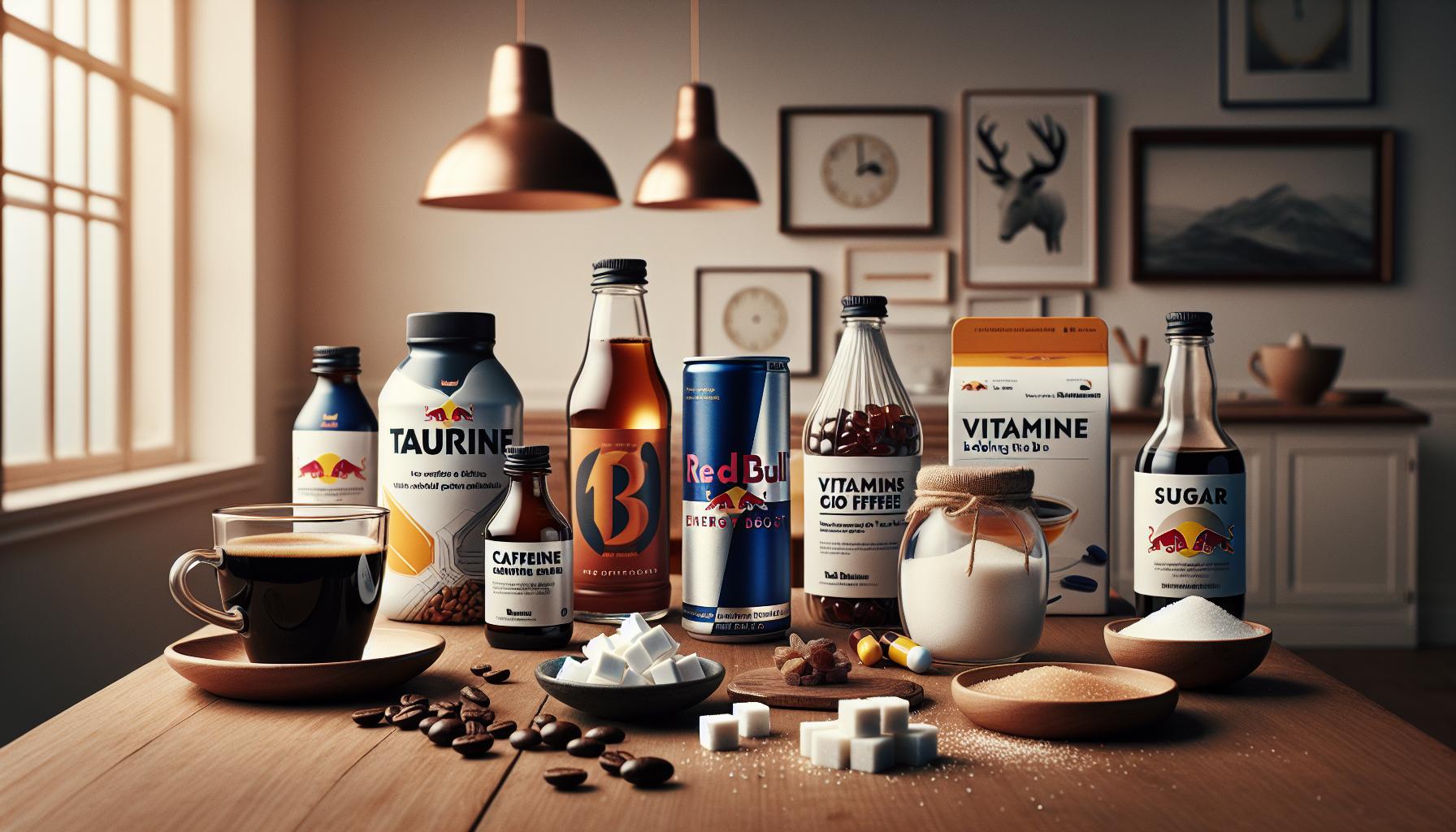
Key Ingredients Behind Red Bull’s Energy Boost
It’s interesting how a single can of Red Bull can deliver a noticeable surge in energy and alertness within minutes. The secret behind this revitalizing effect lies in its unique combination of ingredients, each playing a specific role in boosting your body’s energy levels quickly and effectively. Understanding these components can definitely help you appreciate how Red Bull works and why moderation is key.
At the heart of Red Bull’s formula is caffeine, a powerful stimulant recognized worldwide for its ability to counteract fatigue and sharpen mental focus. By blocking adenosine receptors in your brain, caffeine prevents the onset of tiredness and sparks the release of mood-enhancing neurotransmitters like dopamine and norepinephrine. This dual action not only helps you feel more awake but also supports better cognitive function, making caffeine the primary reason Red bull delivers that immediate alertness boost.
Alongside caffeine is taurine, an amino acid that’s often highlighted but less understood. Taurine is believed to support neurological health and regulate electrolyte balance, which can contribute to improved muscle function and endurance. While taurine alone doesn’t provide an energy spike, its synergy with caffeine might enhance physical performance, especially during intense or prolonged activity. This combination may explain why athletes and busy professionals alike often turn to Red Bull for a quick pick-me-up [2].
Supporting Players: B Vitamins and Sugar
Beyond caffeine and taurine, Red Bull contains a blend of B-group vitamins, including B6, B12, niacin, and pantothenic acid. These vitamins are crucial in the metabolic pathways that convert food into usable energy. While thay don’t act like stimulants, their presence ensures your body can efficiently tap into its energy reserves, supporting a sustained level of vitality over time.
Then there’s sugar, which acts as a rapid source of calories that your body can quickly burn for fuel. the sugar content in Red Bull provides an immediate energy burst but can also cause a quick rise and fall in blood glucose levels-a “sugar crash”-especially if consumed excessively. For those mindful of calorie intake or blood sugar stability, sugar-free versions of Red Bull offer an alternative that maintains the energizing effects without the added sweetness [1].
- Caffeine: stimulates the central nervous system to fight fatigue and improve alertness.
- Taurine: Supports neurological and muscular functions, potentially enhancing physical endurance.
- B Vitamins: Aid in converting nutrients from food into energy.
- Sugar: Provides immediate calories for quick energy bursts (optional in sugar-free variants).
The careful balance of these ingredients means Red Bull is more than just a caffeinated drink-it’s a blend designed to kickstart your body and mind efficiently. However, because the effects are largely driven by caffeine and sugar, it’s important to monitor how your body responds, keeping intake within recommended limits to benefit from the energy boost without adverse effects.

Short-Term Effects of Drinking Red bull on Your body
Within just minutes of sipping Red Bull, you may notice a surge of energy and heightened alertness coursing through your body. This rapid response primarily stems from the caffeine content, which stimulates your central nervous system to temporarily fend off tiredness and sharpen concentration. Many people find this quick boost valuable during long workdays, study sessions, or physical activities that demand sustained focus and stamina.
However, alongside this invigorating effect, Red Bull’s sugar content often leads to a swift increase in blood glucose levels. This can produce a noticeable burst of power, but it’s usually followed by a “sugar crash,” where energy dips just as suddenly, potentially leaving you feeling more fatigued than before. if you’re sensitive to sugar fluctuations or insulin spikes,this rollercoaster effect may disrupt your mood and energy balance within hours of consumption.
Physical and Cognitive responses You Might Experience
- increased Heart Rate and Blood Pressure: caffeine prompts your heart to beat faster and elevates blood pressure temporarily, which explains the “jolt” sensation some describe after drinking Red Bull.
- Heightened Mental Alertness: You may feel more focused, with quicker reaction times and improved memory recall.
- Restlessness or Jitters: For some, especially if consuming on an empty stomach or in large quantities, caffeine’s stimulant effects can lead to nervousness, shaking, or difficulty relaxing.
- Frequent Urination: Both caffeine and certain B vitamins in Red Bull have a diuretic effect,which may increase the need to urinate shortly after drinking.
It’s important to note that individual reactions vary depending on your tolerance to caffeine, body weight, and metabolism. Such as, someone who rarely consumes caffeine might feel more pronounced effects compared to a regular coffee drinker who has developed some level of resistance.
Smart Strategies to maximize Benefits and Minimize Downsides
If you decide to use Red Bull as a pick-me-up, consider these practical tips:
- Time It Right: Avoid drinking late in the day to prevent sleep disturbances, since caffeine can linger in your system up to 6 hours or more.
- Stay Hydrated: Counterbalance the mild diuretic effect by drinking water alongside or after Red Bull.
- Try Sugar-Free Versions: To reduce the risk of sudden energy crashes or unwanted calorie intake.
- Listen to Your Body: Monitor for any signs of overstimulation such as rapid heartbeat, anxiety, or digestive discomfort, and adjust your intake accordingly.
Recognizing these short-term effects helps you harness Red Bull’s energy-enhancing properties in a way that supports your productivity without compromising your well-being.
Hidden Health Risks of Regular red Bull Consumption
While Red Bull might give you a quick burst of energy, regularly consuming it can introduce some lesser-known health concerns that often fly under the radar. Beyond the immediate buzz, the high caffeine and sugar content, combined with other stimulants and additives, can have cumulative effects on your body that you may not realise until they manifest as persistent issues.
One of the stealthy risks involves your metabolic health. Constant spikes in blood sugar from frequent Red Bull intake can lead to insulin resistance over time, increasing your risk for type 2 diabetes. Even if you feel fine after each can, your pancreas is working overtime to balance these rapid sugar surges. In some cases, this invisible strain can quietly undermine your energy levels and metabolism, making fatigue and weight fluctuations more common.
Impact on Sleep and Nervous system
Another subtle but impactful consequence is the disruption of your natural sleep rhythms. As caffeine can linger in your system for several hours, regular consumption-even earlier in the day-may interfere with both falling asleep and achieving restorative deep sleep. Over weeks and months, this can cascade into chronic restlessness, mood swings, and impaired cognitive function. If you notice persistent tiredness despite drinking Red Bull to wake up, this feedback loop might be at play.
Moreover, Red Bull contains ingredients like taurine and certain B vitamins that, while beneficial in small amounts, can amplify the stimulant effect when combined with caffeine. This cocktail can inadvertently lead to heightened anxiety, jitteriness, or even digestive discomfort, especially if consumed on an empty stomach or in large quantities. Listening to your body here is crucial, as these symptoms can be subtle but early warnings that your nervous system is overstimulated.
Practical Tips for Awareness and Moderation
- Track Your Intake: Keep a simple log of how often you drink red bull each week and note any unusual symptoms like heart palpitations, digestive upset, or sleep troubles.
- choose low-Sugar or Sugar-Free Versions: This can definitely help reduce metabolic strain while still providing that caffeine boost.
- Combine with Balanced Meals: Drinking Red Bull alongside food can help mitigate blood sugar spikes and reduce stomach irritation.
- Schedule Caffeine-Free Days: Giving your body breaks allows it to reset its tolerance and lessen dependency risks.
by becoming mindful of these hidden risks and how they subtly affect your overall wellness, you can enjoy Red Bull responsibly without compromising your long-term health.
How Red Bull Impacts Heart Health and Blood Pressure
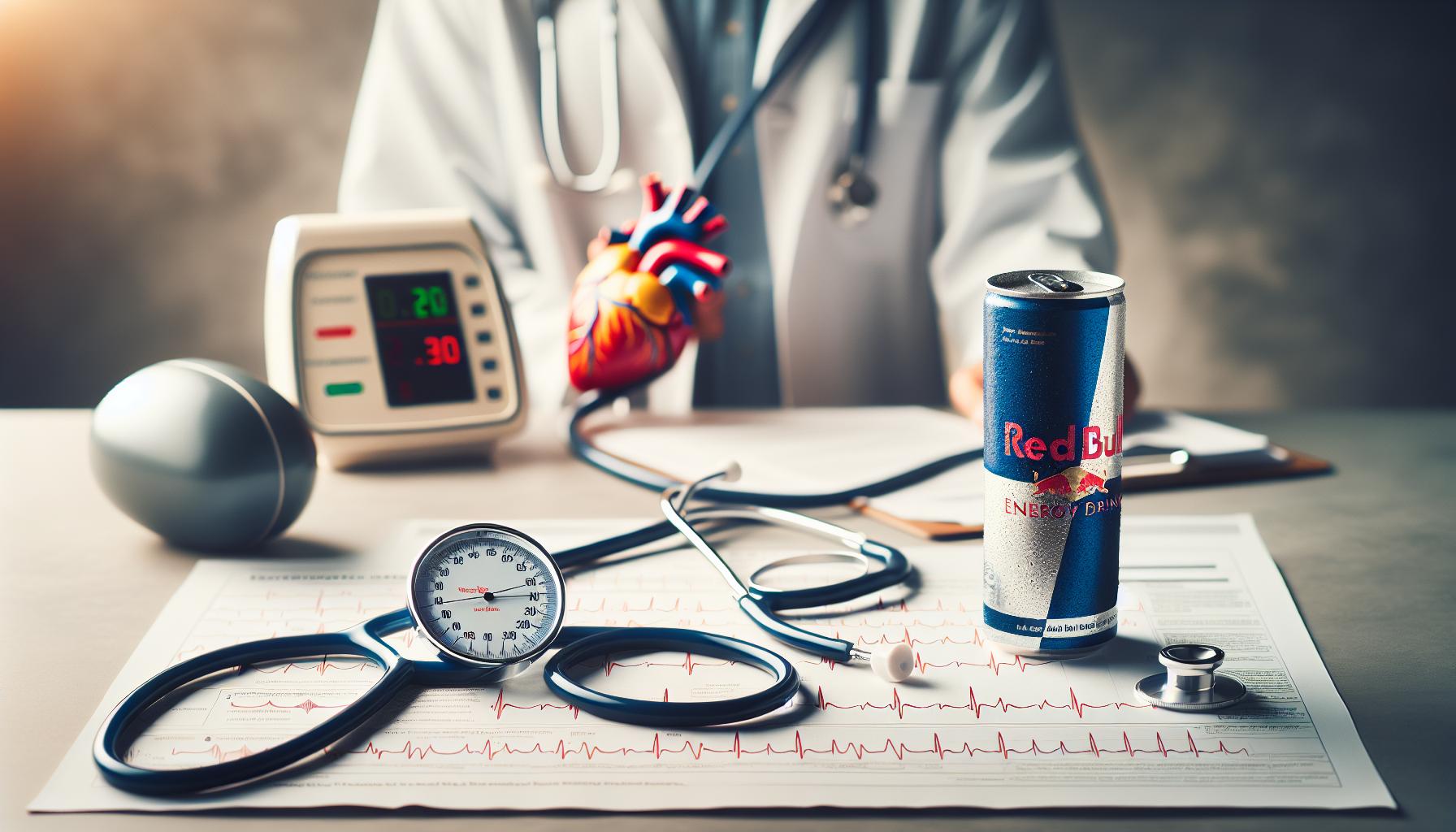
Many people reach for a can of Red Bull when they need a quick energy lift, but what’s happening to your heart and blood pressure during that boost? The caffeine and other stimulants in Red bull can cause your heart to beat faster and your blood vessels to constrict temporarily, which may lead to noticeable increases in blood pressure. For most healthy adults, moderate consumption might not cause major issues, but for those with pre-existing heart conditions or hypertension, even these short-term changes can be risky.
Caffeine acts by stimulating your central nervous system and triggering the release of adrenaline, which prepares your body for “fight or flight.” This reaction increases heart rate and constricts blood vessels, often resulting in higher systolic and diastolic blood pressure. Actually, drinking just one can of Red Bull can raise blood pressure by anywhere from 3 to 6 mm Hg for up to three hours, depending on your sensitivity and overall health.While this might seem minor, repeated spikes can contribute to long-term cardiovascular strain, especially if you’re regularly consuming multiple cans throughout the day.
The combination of caffeine with other ingredients like taurine also plays a role.Taurine is thought to have both positive and negative effects on cardiovascular function; it can support heart muscle performance but may amplify caffeine’s stimulating properties when combined. This cocktail effect can sometimes lead to palpitations,arrhythmias,or feelings of heart fluttering,especially if you consume Red Bull on an empty stomach or alongside intense physical activity.
Practical Ways to Protect Your Heart
- Monitor Your Response: Pay attention to any unusual sensations like racing heartbeat or dizziness after drinking Red Bull. If these occur, it’s a signal to cut back or avoid energy drinks altogether.
- limit Daily Intake: Keep your consumption below 200 mg of caffeine per day (about two cans), which many experts consider a safer threshold to protect heart health.
- Avoid Mixing With Alcohol or Stimulants: Combining Red Bull with alcohol or other stimulants can mask intoxication or amplify cardiovascular effects, increasing risk.
- Consult Your Doctor: If you have high blood pressure, arrhythmias, or other heart-related concerns, get personalized advice before including energy drinks in your routine.
By being aware of how Red Bull affects your cardiovascular system, you can enjoy the occasional energy lift without putting your heart under unneeded stress. Thoughtful consumption and listening to your body’s signals make all the difference in maintaining a healthy balance.
The Link Between Red Bull and Mental health Concerns
Many people turn to Red bull for a quick mental boost, but that surge of energy may come with a hidden cost to emotional well-being and cognitive balance. The caffeine and other stimulants in Red Bull act as powerful neurological activators, which can elevate mood and enhance alertness initially-but frequent or excessive use may contribute to anxiety, sleep disturbances, and mood swings over time. Understanding these connections helps you make mindful choices about when and how much to consume.
Caffeine stimulates your central nervous system, increasing the release of neurotransmitters like dopamine and norepinephrine, which are associated with focus and pleasure. While this can sharpen your concentration in the short term, it may also heighten feelings of nervousness and restlessness, particularly in people who are sensitive to caffeine or prone to anxiety disorders. some users report jitteriness, irritability, or an “overwired” feeling, especially if they consume multiple energy drinks in a short period.
Common Mental Health Challenges Linked to Energy Drink Consumption
- Anxiety and Panic attacks: High caffeine doses can trigger or worsen anxiety symptoms. If you notice racing thoughts or physical symptoms like trembling or sweating after drinking Red Bull, it’s a sign to scale back.
- Sleep Disruptions: As caffeine blocks adenosine receptors-chemicals that promote sleep-late-day consumption can reduce sleep quality, leading to fatigue and mood imbalances the next day.
- Mood Swings and Irritability: The “crash” after caffeine’s effects wear off can leave you feeling tired, irritable, or even depressed, especially if your body becomes reliant on energy drinks for mental stimulation.
- Increased Stress Response: The adrenaline rush can amplify feelings of stress, making it harder to unwind and exacerbating mental health challenges.
Strategies to Protect Your Mental Well-Being
- Know Your Limits: Pay attention to how Red Bull affects your mood and anxiety levels. Avoid consuming it if you notice increased nervousness or trouble sleeping.
- Timing Matters: Try not to drink Red Bull late in the afternoon or evening to minimize sleep interference.
- Explore Alternatives: When you need a cognitive lift, consider natural boosters like short walks, hydration, or mindful breathing exercises, which support mental clarity without disrupting your nervous system.
- Seek Support if Needed: If you find that energy drinks worsen your mood or anxiety, talk with a healthcare professional about healthier ways to manage your energy and emotional health.
Remember, moderation is key. While a single can of Red Bull might offer a welcome burst of focus, regularly relying on such stimulants can disrupt your brain’s natural balance and increase mental health risks.by tuning in to your body’s signals and adopting mindful habits, you can support sustained energy and emotional well-being without the pitfalls often linked to energy drinks.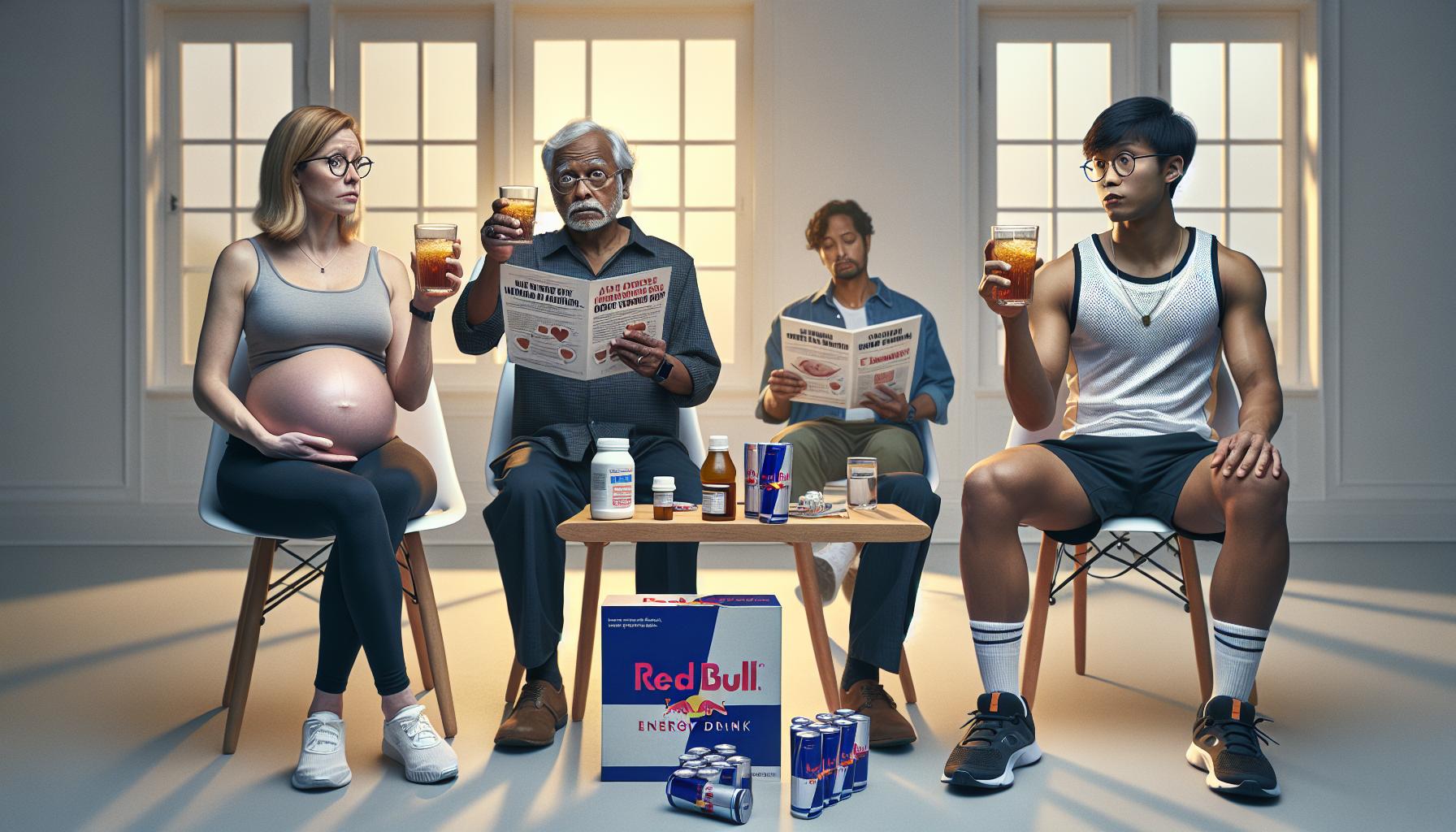
Who Should Avoid Red Bull? Risk Groups Explained
Many people assume energy drinks like red Bull are harmless quick boosters, but for certain individuals, they pose significant risks that go beyond just feeling jittery. Knowing whether Red Bull fits into your lifestyle means understanding who might be more vulnerable to its intense stimulant effects. this awareness helps you avoid unintended health issues and make smarter choices about when to say no.
People with cardiovascular concerns should approach Red Bull with caution. The combination of caffeine and other stimulants can cause noticeable increases in heart rate and blood pressure, which may exacerbate conditions like hypertension, arrhythmias, or other heart diseases. Even if you don’t have a diagnosed condition, a family history of heart problems warrants careful consideration. For example, if you’ve experienced unexplained palpitations or chest discomfort after consuming caffeine before, energy drinks could amplify these symptoms.
Groups That Should Avoid Red Bull
- Children and Adolescents: Their smaller body size and developing nervous systems make them more sensitive to caffeine. Excessive intake can lead to sleep disturbances, anxiety, and impaired growth patterns.
- Pregnant and Breastfeeding Women: High caffeine intake is linked to risks such as miscarriage and low birth weight. As Red Bull has multiple stimulants beyond caffeine, it’s best avoided during this sensitive time.
- People with Anxiety or Mood Disorders: The stimulant effects can worsen symptoms like nervousness, panic attacks, and mood swings. If you notice your anxiety spikes after caffeine, Red Bull may not be the best choice.
- Individuals Sensitive to caffeine or certain Ingredients: Some users experience strong reactions like restlessness, insomnia, or gastrointestinal upset even with small amounts of caffeine.
- Those Taking Certain Medications: Red Bull can interact negatively with stimulant medications, blood thinners, or antidepressants, altering their effectiveness or increasing side effects.
How to Know If You’re At Risk
It helps to keep a simple diary of your reactions when you consume anything caffeinated. Note changes in heart rhythm, mood, sleep quality, or digestion. If you find that even moderate amounts of energy drinks make you feel uneasy or affect your daily function, it’s a clear sign to dial back or opt for safer alternatives.
Choosing to skip Red Bull or energy drinks doesn’t mean foregoing energy altogether. Rather,focus on sustainable habits like regular hydration,balanced nutrition,and quality sleep. If you fall into any of the above categories, discussing your caffeine intake with a healthcare provider can provide tailored guidance and ensure your energy strategies support your overall health.
| Risk Group | Why avoid Red Bull? | Suggested Alternatives |
|---|---|---|
| Children & Adolescents | Higher sensitivity to stimulants, risk of sleep disruption | Water, herbal teas, fresh fruit snacks |
| Pregnant/Breastfeeding Women | caffeine risk to fetus/infant development | Decaffeinated drinks, balanced meals |
| Cardiovascular Patients | Potential exacerbation of heart conditions | Gentle exercise, stress reduction techniques |
| Anxiety or mood Disorders | May worsen symptoms like panic or irritability | Mindfulness, breathing exercises, natural energy boosters |
| Caffeine-Sensitive Individuals | Overstimulation and side effects even with small doses | Hydration, short walks, adequate rest |
Comparing Red Bull with Other Energy Drinks and Alternatives
Energy drinks come in many forms, each promising a quick energy surge, but the difference in ingredients, caffeine content, and added substances can significantly impact how they affect your health. While Red Bull is one of the most recognizable brands, it’s not the only option on the market. Understanding how Red Bull stacks up against other energy drinks and healthier alternatives can definitely help you make informed choices tailored to your lifestyle and wellness goals.
Many energy drinks, including red Bull, contain a blend of caffeine, taurine, sugars, and B vitamins designed to boost alertness and endurance. However, some competitors pack even higher caffeine levels or sugar contents, potentially increasing the risk of side effects like heart palpitations, jitters, and blood sugar spikes. On the other hand, sugar-free or “light” versions might reduce calories but sometimes rely on artificial sweeteners, which have their own considerations for sensitive individuals. For example, brands like Monster or Rockstar frequently enough include similar stimulants but in larger serving sizes, which could lead to inadvertent overconsumption if you’re not watching the label.
Beyond canned energy drinks, there are several alternatives worth considering that provide energy without the typical health drawbacks associated with high stimulant loads.Drinks such as green tea or yerba mate offer a gentler caffeine boost paired with antioxidants and fewer additives. Similarly, natural options like coconut water support hydration, critical for sustained energy, while whole foods like nuts or fruit provide slow-burning fuel without the crash.
How to Choose What Works Best for You
- check caffeine content: Red Bull typically contains about 80 mg per 8.4 oz can, roughly equivalent to a cup of coffee. If you’re sensitive to caffeine,this might already be too much,so checking labels on other energy drinks-which can range from 50 mg to over 300 mg per serving-is vital.
- Consider sugar and additives: High sugar levels contribute to energy crashes and long-term metabolic risks.If you want to avoid this, opt for sugar-free versions but watch for artificial sweeteners if you’re sensitive.
- Look beyond energy drinks: Sometimes the best energy boost comes from lifestyle habits like staying hydrated, eating balanced meals, and getting consistent sleep, rather than relying on stimulants.
- Listen to your body: Different formulations affect people uniquely. If you find any energy drink leaves you anxious, restless, or with an upset stomach, it’s an critically important sign to reconsider your choices.
| Type | Caffeine Content (per serving) | Sugar Content | Typical Additives | Best For |
|---|---|---|---|---|
| Red Bull (Regular) | ~80 mg (8.4 oz) | 27 g | Taurine,B vitamins,caffeine | Quick,moderate energy boost |
| Monster Energy (Regular) | 160 mg (16 oz) | 54 g | Taurine,caffeine,ginseng | Higher caffeine seekers,longer-lasting alertness |
| Green Tea | 20-45 mg (8 oz) | 0 g (unsweetened) | Antioxidants,L-theanine | Gentle,sustained energy with health benefits |
| Yerba Mate | 85-150 mg (8 oz) | 0 g (unsweetened) | Polyphenols,vitamins | Natural stimulant with mental clarity support |
| Water + Balanced Snack | 0 mg | Varies | Natural nutrients | Hydration and slow-releasing energy |
Ultimately,your choice depends on your body’s tolerance,lifestyle,and health needs.If you enjoy the occasional energy drink like Red Bull, doing so in moderation while maintaining healthy daily habits can minimize risks. But if you often rely on energy drinks to push through fatigue or notice unwanted side effects, exploring natural alternatives or adjusting your routines could lead to more sustainable, safer energy management.
Safe Consumption Tips: How Much Red Bull is Too Much?
Red Bull may seem like a quick fix for fatigue, but knowing your limits is essential to avoid unwanted side effects. Since each can contains about 80 mg of caffeine, roughly the same as a standard cup of coffee, it’s easy to underestimate how much caffeine you’re actually consuming throughout the day when combined with other sources like coffee, tea, or soda. Exceeding a total daily caffeine intake of 400 mg, which is generally considered safe for most healthy adults, can lead to jitters, increased heart rate, and difficulty sleeping.
Individual tolerance varies widely, so it’s important to pay attention to how your body reacts. For example, if you notice feeling anxious, dizzy, or restless after a single can of Red Bull, cutting back or spacing out your intake is a smart move. adolescents, pregnant women, and people with certain heart conditions should be especially cautious and consult a healthcare professional before consuming energy drinks. Remember, mixing Red Bull with alcohol is risky-it can mask intoxication and lead to higher alcohol consumption, increasing the chance of accidents or harmful behavior.
Practical Tips for Moderate Red Bull Consumption
- Limit yourself to one can per day: Keeping to a single 8.4 oz can helps manage your caffeine intake and reduce risks.
- Avoid consuming red Bull late in the day: Caffeine can interfere with your sleep cycle,so try to enjoy it earlier to prevent insomnia.
- Stay hydrated: Energy drinks can promote dehydration, so drink plenty of water alongside Red Bull to support your body.
- Be mindful of other caffeine sources: Check labels on other beverages and foods to avoid unintentionally exceeding safe caffeine limits.
- Skip Red Bull during intense physical activity: The stimulant effects combined with dehydration could strain your heart and muscles.
| Audience | Recommended Max Daily Red bull Intake | Key Considerations |
|---|---|---|
| Healthy adults | Up to 1 can (8.4 oz) | Keep below 400 mg caffeine from all sources daily |
| Pregnant or breastfeeding women | Generally avoid or consult doctor | Caffeine crosses to baby; limited safe intake |
| Adolescents and children | Avoid or minimal exposure | Higher sensitivity to caffeine; developmental concerns |
| People with heart conditions or anxiety | Avoid or consult healthcare provider | Risk of aggravating symptoms |
Keeping these guidelines in mind can help you enjoy the energizing effects of Red Bull without compromising your wellbeing.If you frequently feel the need to rely on energy drinks for a boost, it might be a sign to revisit your sleep habits, nutrition, and stress management strategies instead. Listening closely to your body’s signals ensures that your energy choices support long-term health rather than fleeting stimulation.
Debunking Common Myths About Red Bull’s Safety
it’s easy to get caught up in dramatic headlines or social media buzz about energy drinks like Red Bull, but separating fact from fiction is key to making informed choices. Contrary to popular belief, enjoying Red bull in moderation doesn’t automatically put your health at risk, and many concerns are based on misunderstandings about caffeine and ingredient effects.
One common myth is that Red Bull contains dangerously high caffeine levels far beyond a typical cup of coffee. In reality, a standard 8.4 oz can has about 80 mg of caffeine, roughly equivalent to an average brewed coffee. This means for most healthy adults, limiting intake to one can a day fits comfortably within safe caffeine consumption guidelines. Problems arise mostly when Red bull is combined with other caffeine sources or consumed excessively. Another misconception is that Red Bull alone causes heart attacks or severe heart issues. While excessive caffeine and stimulants can aggravate certain heart conditions,moderate consumption in healthy individuals rarely leads to serious cardiac events. If you have preexisting heart disease or hypertension, consulting your healthcare provider before drinking energy drinks is a smart precaution.
Understanding Ingredients Beyond Caffeine
It’s easy to focus solely on caffeine, but Red Bull also contains ingredients like taurine, B-vitamins, and sugar (in some varieties). Taurine is often accused of being a risky stimulant,yet research has not conclusively demonstrated harmful effects at levels found in Red Bull. B-vitamins support energy metabolism but do not provide sudden energy boosts on their own. Lastly, the sugar content-present in regular Red Bull but not sugar-free versions-can contribute to calories and blood sugar spikes but is manageable with mindful diet practices.
Common Misunderstandings Clarified
- Energy crashes are not inevitable: While some people experience a brief slump after caffeine wears off, this is influenced by individual metabolism and overall diet rather than Red Bull alone.
- Mixing Red Bull with alcohol is risky, but not red Bull by itself: The danger comes from combining stimulants with depressants, which impairs judgment, not from Red Bull’s ingredients alone.
- Energy drinks don’t cause addiction like drugs: Though habitual caffeine consumption can lead to mild dependence with withdrawal symptoms like headaches,it’s manageable through gradual reduction.
Understanding these truths helps you approach Red Bull use with confidence rather than fear. If you do experience uncomfortable side effects such as jitteriness,palpitations,or sleep disturbances,they’re likely signs to cut back or avoid it altogether. Listening to your body and keeping consumption balanced is the best way to enjoy the energizing effects without inviting problems.
Energy Drinks and Addiction: What You Need to Know
Many people turn to energy drinks like Red Bull for a quick pick-me-up, especially during long workdays or late nights. While these drinks can provide a temporary boost, it’s critically important to understand how regular consumption can affect your brain and body over time.The stimulating effects of caffeine-the primary active ingredient-can lead to a pattern of repetitive use that sometimes borders on dependence, though it differs significantly from addictions related to harmful substances.
Caffeine dependence develops when your body adapts to the regular presence of caffeine, causing you to crave it to avoid withdrawal symptoms like headaches, irritability, or fatigue. This mild dependence is common and generally manageable by gradually reducing intake rather than quitting abruptly. Unlike addictive drugs, energy drinks do not cause physiological cravings that override your decision-making but can still create a habit pattern that feels hard to break for some.
Understanding Habitual Consumption and Its effects
Because Red Bull often becomes part of daily routines, such as starting the morning or battling afternoon slumps, it can unintentionally lead to increased tolerance.Over time, this means you might need more to feel the same energizing effect, which can escalate consumption and amplify risks such as jitteriness, insomnia, or elevated heart rate. Recognizing these signs early allows you to adjust habits before dependence becomes uncomfortable or harmful.
Practical Tips to Manage and Prevent Dependence
- set Limits: Try to keep your daily consumption moderate-typically one can per day or less-and avoid mixing with other caffeine sources like coffee or energy shots.
- alternate Energy boosters: Rotate Red bull with non-caffeinated strategies like stretching, hydration, or short walks to reduce reliance on stimulants.
- Gradual Reduction: If you notice withdrawal symptoms when cutting back, lower your intake slowly over several days to ease the process.
- Mindset Matters: Be mindful of why you reach for energy drinks-is it true fatigue or habit? Awareness can help you make healthier choices.
In essence, while energy drinks are not addictive in the classical sense, their caffeine content can foster habitual use that might lead to mild dependence. Knowing how to recognize and manage this pattern empowers you to enjoy Red bull’s energizing effects responsibly, without feeling caught in a cycle of unwanted reliance.
Natural Ways to Boost Energy Without Red Bull
When energy slumps hit,reaching for a Red Bull might seem like the easiest fix,but there are plenty of natural strategies that can energize your body and mind without relying on caffeine or sugar spikes. The key is focusing on lifestyle habits and foods that support sustained energy, helping you stay alert and productive throughout the day without the undesirable crash later on.
One of the simplest and most effective natural energy boosters is staying well-hydrated. Dehydration can sap your vitality, making you feel sluggish and unfocused. Drinking enough water throughout the day-aim for about 8 cups or more depending on your activity level-can keep your brain sharp and muscles energized. Plus, replacing sugary drinks with water reduces empty calorie intake, which supports stable blood sugar levels.
Power Foods and Nutritional Choices
Eating balanced meals rich in complex carbohydrates, lean proteins, and healthy fats fuels your body steadily. Foods like oatmeal, nuts, seeds, and lean poultry release energy slowly, preventing the spikes and crashes often triggered by sugary snacks or high-caffeine drinks. Certain nutrient-dense snacks-such as a handful of almonds or a yogurt parfait with fresh berries-can provide a mid-afternoon boost without jitteriness.
Incorporating natural energy-enhancing foods can also make a difference:
- Bananas: Loaded with potassium and vitamin B6, helpful for converting food into energy.
- Spinach and leafy greens: Rich in iron,which combats fatigue from low oxygen transport.
- Chia seeds: Provide omega-3 fatty acids and fiber, promoting sustained energy release.
- Green tea: Contains moderate caffeine and antioxidants that boost alertness gently.
Movement and Rest: The Energy Power Couple
Physical movement might seem counterintuitive when you’re tired, but brief bouts of exercise can jumpstart your circulation and release endorphins-nature’s mood elevators. Even short walks or stretching breaks can heighten focus and reduce afternoon slumps. Prioritizing quality sleep cannot be overstated either; your body recharges during rest, and poor sleep directly diminishes daytime energy.
Stress Management and Mindful Practices
Chronic stress can drain energy reserves quickly. Practicing relaxation techniques like deep breathing, meditation, or yoga helps reduce cortisol levels, leaving you feeling more refreshed and less fatigued. Taking moments throughout your day to pause and reset can protect you from burnout without relying on stimulant drinks.
By weaving together these natural habits-adequate hydration, nutrient-rich foods, regular movement, restful sleep, and stress management-you create a sustainable energy foundation that outperforms quick fixes like Red Bull over the long term. This holistic approach not only supports your physical health but also nurtures mental clarity and emotional balance, empowering you to tackle each day with steady vitality and resilience.
For more detailed tips on natural energy boosters and ways to optimize your lifestyle for sustained alertness and well-being, check out expert-backed resources and practical guides[[[[[[[[[1]](https://ancientnutrition.com/blogs/all/natural-energy-boosters),[[[[[[[[[2]](https://www.health.harvard.edu/healthbeat/9-tips-to-boost-your-energy-naturally), [[3]](https://health.clevelandclinic.org/natural-energy-boosters).
FAQ
Q: Can Red Bull consumption affect sleep quality even if consumed earlier in the day?
A: Yes, Red bull can disrupt sleep quality due to its caffeine content, which may stay in your system for several hours. It’s best to avoid drinking Red Bull at least 6 hours before bedtime to prevent insomnia and poor sleep patterns. Learn more about short-term effects in the main article for better management.
Q: How does Red Bull interact with common medications or supplements?
A: Red Bull’s caffeine and other stimulants can interfere with certain medications, such as blood thinners, antidepressants, or stimulants, potentially causing increased heart rate or nervousness. Always consult your healthcare provider before combining energy drinks with your prescriptions for safety.
Q: Does Red Bull consumption increase the risk of dehydration during exercise?
A: Yes, Red Bull can contribute to dehydration as caffeine is a diuretic, causing increased urine output. When exercising, it’s critically important to hydrate with water rather of relying on energy drinks. For a safe boost, check out natural energy alternatives in our detailed section.
Q: Is it safe to mix Red Bull with alcohol, and what are the risks?
A: Mixing Red Bull with alcohol is not recommended as caffeine can mask alcohol’s depressant effects, leading to increased risk-taking and alcohol poisoning. Avoid combining these for safer consumption and review the hidden health risks covered in our guide.
Q: Can red Bull contribute to long-term metabolic issues like diabetes?
A: Regular Red Bull intake may increase risk for metabolic issues such as insulin resistance and type 2 diabetes due to high sugar levels.Opting for sugar-free versions or reducing frequency supports better metabolic health. Explore health risks of regular consumption for more tips.
Q: How does Red Bull impact children and adolescents differently than adults?
A: Children and adolescents are more sensitive to caffeine’s effects, increasing risks of heart palpitations, anxiety, and sleep disturbances. Pediatric health experts discourage energy drink consumption in young populations to avoid these negative outcomes.
Q: What are the warning signs of energy drink overconsumption I should watch for?
A: Watch for symptoms like rapid heartbeat, nervousness, nausea, or insomnia, which indicate overconsumption of Red Bull. If these occur, reduce intake promptly and seek medical advice if symptoms persist. Refer to safe consumption tips for practical guidelines.
Q: are there safer energy-boosting options compared to Red Bull for daily use?
A: Yes, safer alternatives include hydration, balanced meals, regular sleep, and natural stimulants like green tea or ginseng. These options offer sustained energy without the side effects of Red Bull. See our natural ways to boost energy section for actionable advice and healthier choices.
For a deeper understanding, feel free to explore related sections like Safe Consumption Tips and Natural Ways to Boost Energy in the main article to make informed choices about Red Bull and energy drinks.
Final Thoughts
Understanding the health risks associated with Red Bull and other energy drinks empowers you to make smarter choices about your caffeine and sugar intake. While these beverages may offer a quick boost, it’s important to weigh their effects on your heart, sleep, and overall well-being. If you’re curious about healthier alternatives or want to dive deeper into safe energy-boosting habits, check out our guides on natural energy boosters and caffeine’s impact on your body.
Don’t let unanswered questions hold you back-subscribe to our newsletter for the latest research,tips,and expert advice on energy drinks and wellness. Exploring more on energy drink side effects and caffeine alternatives can help you find a balance that supports your lifestyle without compromising your health. Join the conversation by leaving your thoughts below or sharing this article with friends who might benefit from reliable, science-backed insights.
Remember, staying informed is your first step toward better health. Let us help you navigate the facts about Red bull and energy drink health risks so you can choose what’s best for you with confidence.