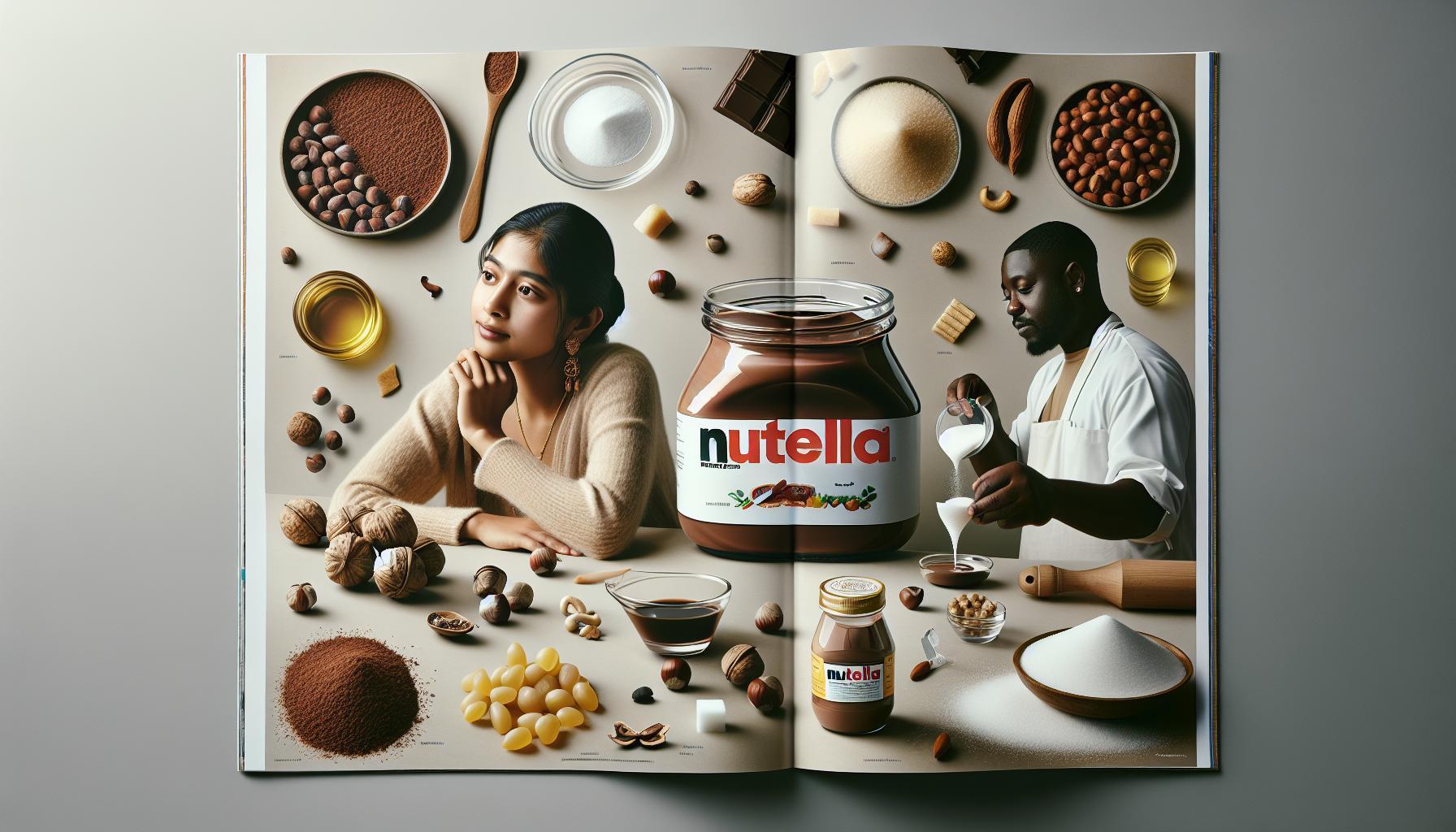
Did you know that just two tablespoons of Nutella contain about 21 grams of sugar-almost as much as a whole candy bar? If you love this creamy, hazelnut spread, you’ve probably wondered whether it fits into a healthy diet. Understanding what’s really inside your favorite jar can definitely help you make informed choices without giving up the treats you enjoy. in this review, we’ll break down Nutella’s ingredients, shine a light on its nutritional profile, and explore how it stacks up against other spreads. Whether you’re curious about sugar content, fats, or overall health impact, this guide aims to answer your questions in a straightforward, amiable way-helping you decide if Nutella deserves a spot in your balanced lifestyle. Keep reading to uncover the facts behind that delicious spread and learn how to enjoy it wisely.
Contents of Article
- What Are the Key Ingredients in Nutella?
- How Each Ingredient Impacts Your health
- Nutritional Breakdown: Calories, Sugar, and Fats
- Is Nutella Suitable for Special Diets?
- Hidden Additives and Potential Allergens Explained
- Comparing Nutella to Other Chocolate Spreads
- Can Nutella Fit Into a Balanced Diet?
- healthy Alternatives to Nutella You Should Try
- Expert Opinions on Nutella’s Health effects
- Tips for Enjoying Nutella Mindfully Without Overindulging
- FAQ
- Q: How does the palm oil in Nutella affect your health and the environment?
- Q: What makes Nutella different from other chocolate-hazelnut spreads?
- Q: Can individuals with nut allergies safely consume Nutella?
- Q: Is Nutella suitable for people following a low-sugar or diabetic diet?
- Q: How can Nutella be incorporated into a mindful and balanced diet?
- Q: What are some healthier alternatives to Nutella that offer similar taste and texture?
- Q: Why should consumers be cautious about marketing claims on Nutella’s packaging?
- Q: How often is it safe to eat Nutella without negatively impacting health?
- Future Outlook
What Are the Key Ingredients in Nutella?
Nutella’s creamy, chocolatey taste is something many people love, but what exactly gives it that signature flavor and texture? While you might expect hazelnuts to be the star ingredient, Nutella actually contains a blend of components that work together to create its smooth spreadability and sweet flavor.Understanding these ingredients can help you make informed choices about how Nutella fits into your daily diet.
At its core, Nutella is made with sugar and palm oil, which together form the bulk of its content. sugar provides the sweet taste and is the first ingredient listed, accounting for a large portion of the product. Palm oil, chosen for its creamy texture and shelf stability, is the second most abundant ingredient.Following these are the hazelnuts, which give Nutella its distinctive nutty flavor, though they make up roughly 13% of the spread. Cocoa powder adds the chocolatey element, while skimmed milk powder lends a smooth, milky creaminess.
- Sugar: The primary sweetener, responsible for Nutella’s sugary profile.
- Palm Oil: A fat that creates the spread’s creamy texture and prevents separation.
- Hazelnuts: The defining nutty ingredient, providing flavor and some nutritional value.
- Cocoa Solids: Offers the chocolate taste in a subtle yet essential way.
- Skimmed Milk Powder: Contributes to the creamy mouthfeel and adds protein.
- Whey Powder: Enhances texture and adds a slight dairy richness.
- Soy Lecithin: An emulsifier that keeps the ingredients evenly mixed.
- Vanillin: A synthetic flavor that mimics vanilla,enhancing overall taste.
While hazelnuts and cocoa give Nutella its hallmark flavor, it’s the combination of sugar and palm oil that largely determines its caloric content and texture. If you’re curious about how these ingredients align with your nutrition goals, it’s useful to remember that even though Nutella contains real nuts and cocoa, a notable portion of it is indeed made up of processed components like refined sugar and vegetable oils. This blend keeps Nutella smooth and shelf-stable but also means it should be enjoyed in moderation.If you ever want to try making a simpler version at home, many DIY recipes emphasize hazelnuts, cocoa powder, and a touch of sugar and oil, excluding some of the additives to create a more natural option. This can be a fun way to customize flavors or reduce less desirable ingredients.By knowing what goes into Nutella, you can better understand both its taste appeal and how it fits into your lifestyle - whether as an occasional indulgence or something you want to savor mindfully.

How Each Ingredient Impacts Your health
Nutella’s unique blend of ingredients creates its unmistakable taste and texture, but each component also plays a distinct role in how it affects your health. While the spread is beloved for its sweet, nutty flavor, understanding the impact of its ingredients can help you enjoy it thoughtfully.
At the forefront is sugar, which is Nutella’s primary ingredient. Sugar delivers the sweet taste that’s hard to resist, but it also means that Nutella is fairly high on the glycemic index. This can cause rapid spikes in blood sugar, especially if eaten in large amounts. for those mindful of energy levels or managing blood sugar, it’s wise to consume Nutella in moderation or pair it with foods high in fiber or protein to balance its effects.
Next,palm oil,which makes up a significant part of Nutella’s rich texture,is a source of saturated fats. While palm oil helps keep the spread smooth and shelf-stable, excessive intake of saturated fats has been linked to heart health concerns. Though, the amount in a typical serving of nutella is relatively small. Choosing moderation is key, and balance with healthier fat sources like nuts or olive oil elsewhere in your diet can support overall heart wellness.
The hazelnuts in Nutella, although just about 13% of the recipe, are a nutritional highlight. Hazelnuts provide heart-friendly monounsaturated fats, fiber, vitamin E, and antioxidants. These nutrients contribute positively to cholesterol levels and overall cardiovascular health,making the nut content a valuable,natural part of the spread.
Cocoa solids add not just flavor but also healthful compounds like flavonoids, which are antioxidants known for supporting brain function and circulation. Though present in modest amounts, the cocoa in nutella offers a mild boost of these benefits, though it’s important not to overestimate this effect given the overshadowing presence of sugar.
The dairy components, skimmed milk powder and whey powder, add protein and calcium but also introduce lactose, which can be a concern if you are lactose intolerant. The emulsifier soy lecithin is generally considered safe and helps blend the ingredients smoothly, but those with soy allergies should take caution.
vanillin,a synthetic vanilla flavor,enhances Nutella’s aroma and taste but doesn’t offer any nutritional benefits. It’s harmless for most people but is an example of the processed additives that make Nutella a manufactured product rather than a purely natural spread.
Balancing Indulgence with Nutrition
- Moderation is crucial: Nutella is energy-dense due to sugar and fat, so small amounts can satisfy cravings without excess calories.
- Pair with wholesome foods: spread it over whole grain toast or use it as a dip for fruit to add fiber and reduce blood sugar spikes.
- Mind allergies and sensitivities: pay attention to hazelnuts, dairy, and soy in Nutella if you have related allergies.
By understanding these ingredient impacts, you can better tailor how and when to enjoy Nutella, making it a pleasant part of a mindful eating routine rather than a frequent source of excess sugar or fat. For many, the tiny bit of nutty goodness nestled in a creamy, sweet spread remains a delightful treat worth savoring thoughtfully.
Nutritional Breakdown: Calories, Sugar, and Fats
Nutella is beloved for its creamy texture and sweet flavor, but it’s also important to understand what you’re consuming when you spread it on your toast or mix it into your recipes. A typical 15-gram serving of Nutella packs about 80 calories,making it an energy-dense food that can quickly add up if you’re not careful[[[[[[[[[1](https://www.nutracheck.co.uk/CaloriesIn/Brand/Nutella)]. Most of these calories come from sugar and fat, which play key roles in both taste and texture but have different effects on your health.
Sugar is the dominant ingredient in Nutella, accounting for a significant portion of the calories. Each serving contains roughly 21 grams of sugar – that’s about 5 teaspoons – which is considerably higher than what you’d find in most natural nut butters. This high sugar content not only sweetens the spread but also elevates its glycemic index, meaning it can cause rapid spikes in blood glucose levels.For people managing blood sugar or seeking sustained energy, eating Nutella alongside fiber-rich foods like whole grain breads or fresh fruit can help slow sugar absorption and keep energy levels more stable[[[[[[[[[2](https://www.healthline.com/nutrition/nutella)].
Meanwhile, fat makes up another considerable part of Nutella’s calorie count. Palm oil, primarily used to achieve that smooth, spreadable consistency, contributes mostly saturated fat. While saturated fat intake should be limited to support cardiovascular health, the amount of palm oil in a regular serving of Nutella is relatively modest. the nuts within the spread, which are about 13% of the recipe, provide healthier monounsaturated fats that may help improve cholesterol profiles and support heart health.Balancing Nutella’s saturated fat with healthier fats from other parts of your diet can help maintain a heart-smart approach[[[[[[[[[2](https://www.healthline.com/nutrition/nutella)].
| Nutrient per 15g Serving | Amount |
|---|---|
| Calories | ~80 |
| Sugar | ~21g (5 tsp) |
| Total Fat | ~4.6g |
| Saturated Fat | ~1.3g |
| Protein | ~1g |
by keeping portion sizes small and pairing Nutella with nutrient-rich choices, you can satisfy your sweet tooth without tipping into overindulgence.For example, spreading a thin layer on a slice of whole grain toast accompanied by a handful of berries or a banana slice adds fiber and micronutrients that balance Nutella’s sugar and fat load while enhancing flavor and satisfaction. Remember, while Nutella brings joy to many, awareness of its calorie density and sugar content will empower you to enjoy it as a treat rather than a daily staple.
Is Nutella Suitable for Special Diets?
Nutella’s rich and sweet flavor makes it an enticing choice for many, but if you follow a special diet, understanding how it fits into your nutritional needs is essential. Because Nutella contains a notable amount of sugar and fat, it’s generally not ideal for diets requiring strict sugar control, such as those managing diabetes or low-carb plans. However, this doesn’t mean you have to completely avoid it; with mindful portions and pairing it with nutrient-dense foods, you can occasionally indulge without derailing your goals.
For individuals on gluten-free diets, Nutella is naturally free from gluten-containing ingredients, making it a safe option as long as contamination isn’t a concern. Still, it’s advisable to check labels or packaging for any cross-contamination warnings if you’re highly sensitive or have celiac disease.
When it comes to vegan or plant-based diets, Nutella presents more of a challenge. It contains skimmed milk powder and whey, so it’s not suitable for strict vegans or people avoiding dairy for allergy or intolerance reasons. Fortunately, there are plant-based chocolate-hazelnut spreads on the market that mimic Nutella’s flavor without animal-derived ingredients.
those watching their caloric intake or following weight management plans might find Nutella tricky due to its energy density-each small spoonful delivers a significant number of calories mostly from sugar and fat. Here’s where portion control becomes key; using Nutella as a flavor enhancer rather than the main ingredient can satisfy cravings without excessive calories.
Nutella and Nut Allergies
Since hazelnuts are a core ingredient, Nutella is unsuitable for anyone with tree nut allergies.even trace amounts can trigger reactions, so avoiding Nutella entirely is the safest choice. Always be cautious and read ingredient labels thoroughly to protect your health.
How to Enjoy Nutella Smartly on Special Diets
- Moderation is key. Reserve Nutella for occasional treats rather than daily staples.
- Pair it with fiber and protein. Spread a thin layer on whole grain toast or combine it with fresh fruit to reduce blood sugar spikes.
- Consider portion sizes. Measuring out a controlled amount (like a 0.5 oz portion control pack) helps prevent overconsumption.
- Explore alternatives. If dairy or nuts are off-limits, try vegan or nut-free spreads that provide a similar indulgence.
By understanding how Nutella aligns - or doesn’t - with your dietary needs,you can make smarter choices that don’t sacrifice pleasure. With a little planning and mindful consumption, it’s possible to enjoy the creamy, hazelnut delight even within the boundaries of special diets.

Hidden Additives and Potential Allergens Explained
Nutella’s creamy texture and irresistible flavor come from a blend of ingredients that,while mostly familiar,include some components that might surprise many consumers. Beyond the hazelnuts, cocoa, and sugar, Nutella contains additives that help maintain its smooth consistency and shelf life. One common additive is lecithin, typically soy-derived, which acts as an emulsifier to keep the ingredients from separating. For those with soy allergies, this is an important detail to note since even small traces can cause reactions. Nutella’s inclusion of vanillin, an artificial flavoring mimicking natural vanilla, may also concern those avoiding synthetic additives.
When it comes to allergens, hazelnuts are the obvious culprit, responsible for excluding Nutella from the diets of anyone with tree nut allergies. However, Nutella is carefully produced without peanuts or peanut ingredients, reducing concerns for those allergic to peanuts specifically [3]. Still, cross-contact warnings should always be monitored on packaging, especially for people with severe allergies. Moreover, while Nutella itself does not contain gluten, some related products like Nutella Ferrero B-ready may contain wheat and barley, introducing hidden gluten risks [2].
Beyond allergens, it’s helpful to recognize that Nutella includes dairy components such as skimmed milk powder and whey. This makes the spread unsuitable for vegans or those with lactose intolerance or milk allergies. Invisible to the eye but impactful to some, these ingredients underline the importance of reading labels carefully depending on your dietary restrictions.
- Always check updated labels: Ingredients and manufacturing practices can change, so it pays to review packaging each time you purchase.
- Be mindful of cross-contamination: If you have severe nut or soy allergies, consider whether Nutella’s production facility processes other allergens that could contaminate the product.
- Identify hidden sources of dairy and soy: Even if you tolerate nuts, milk powder and soy lecithin may affect your health, so plan your intake accordingly.
- Consider your entire diet: Nutella contributes a mix of ingredients that may be hard to spot at first glance-so if you have multiple food sensitivities, work with a dietitian to navigate choices safely.
By approaching Nutella with this awareness, you can enjoy your favorite spread while minimizing unwanted surprises. Being informed about these subtle ingredients turns what might feel like a risky indulgence into a manageable and thoughtful treat.

Comparing Nutella to Other Chocolate Spreads
Chocolate hazelnut spreads like Nutella have become pantry staples worldwide, but when you start comparing options, you might be surprised by how much their ingredients and nutritional profiles can vary. One of the most noticeable differences between Nutella and many supermarket alternatives lies in the hazelnut content. As an example, spreads such as Filbert Spread Milky and filbert Spread Cacao boast considerably higher hazelnut percentages-40% and 17%, respectively-compared to nutella’s 13% hazelnut content.This higher nut concentration often translates to a richer, more natural nutty flavor and may offer slightly better nutritional benefits, such as increased healthy fats and protein from nuts[[[[[[[[[2]](https://filbertspread.com/filbert-vs-nutella/).
Beyond nut content, sugar and fat sources vary across brands and can significantly impact both taste and health considerations. Nutella’s primary ingredients start with sugar and palm oil, making it more of a sugar-and-fat spread rather than a true nut-forward option. Many competitors share this profile, using sugar and vegetable oils as main ingredients, but some brands have started emphasizing natural oils or reducing sugar levels to appeal to health-conscious consumers[[[[[[[[[3]](https://www.veggirlrd.com/a-nutrition-review-of-nutella-and-other-chocolate-hazelnut-spreads/). When choosing a spread, it helps to look for products that minimize refined sugar and use sustainably sourced oils to align better with your nutritional goals.
Taste tests add another layer to this comparison-even though Nutella remains a crowd-pleaser, there are spreads out there that tasters have ranked higher for flavor complexity and balance. For example, in a challenge involving 60 participants tasting Nutella against 10 other supermarket chocolate hazelnut spreads, Waitrose’s own brand emerged as a favorite, suggesting that variety in flavor and texture is achievable without straying far from familiar profiles[[[[[[[[[1]](https://www.facebook.com/whichuk/posts/be-honest-are-you-loyal-to-nutella-we-challenged-60-tasters-to-compare-nutella-w/1338802798281262/).
Choosing the Right Spread for You
- Check hazelnut percentage: Higher nut content usually means better nutrition and more authentic flavor.
- Review sugar and fat sources: Opt for spreads with less sugar and healthier fats, such as those using natural oils rather of palm oil.
- consider allergens and additives: Some competitors may use different emulsifiers or avoid artificial flavorings found in Nutella.
- Look out for texture and taste preferences: If you want a creamier or more chocolatey spread, sampling a few brands can help you find your favorite.
Ultimately, while Nutella offers a familiar and beloved flavor profile, exploring other spreads can provide alternatives that might better suit your health needs and taste preferences. Whether you prioritize higher nut content, lower sugar, or allergen considerations, understanding these differences empowers you to make an informed and enjoyable choice.
Can Nutella Fit Into a Balanced Diet?
Nutella’s indulgent taste makes it a favorite for many, but fitting it into a balanced diet requires understanding its place within your overall nutrition. While Nutella is undeniably delicious, it’s critically important to recognize that it is indeed primarily a source of added sugars and fats rather than essential nutrients. This means enjoying Nutella is best approached as an occasional treat rather than a daily staple.
One practical way to include Nutella without overdoing it is portion control. A typical serving size-about one to two tablespoons-provides approximately 100 to 200 calories and contains a high amount of sugar and palm oil, which contribute significant saturated fat[[[[[[[[[1]](https://www.bodi.com/blog/nutella-nutrition-facts). Keeping servings small helps prevent excess calorie intake that can disrupt your energy balance over time.Spreading Nutella thinly on whole-grain bread or pairing it with fresh fruit can boost fiber and micronutrient intake, softening its impact while still satisfying sweet cravings.
- Balance is Key: Nutella should complement a nutrient-dense diet rich in vegetables, whole grains, lean proteins, and healthy fats. Using it occasionally as a flavor enhancer rather than a meal replacement is a smart approach.
- Mind the Sugar: Nutella contains more sugar than hazelnuts by weight, so frequent consumption can quickly push you over recommended daily limits for added sugars set by health organizations.
- Consider Timing: Enjoying Nutella post-workout or as part of a balanced breakfast with protein and fiber can help stabilize blood sugar and reduce the chances of energy crashes.
For those tracking macronutrients or watching saturated fat intake, Nutella’s palm oil content might not align perfectly with dietary goals focused on heart health.though, it can still fit into special occasions or moments when you want a comforting treat without guilt, especially if you plan your meals thoughtfully throughout the day to accommodate it.In essence, Nutella doesn’t need to be off-limits, but integrating it mindfully-paying attention to portion sizes, pairing it with nutrient-rich foods, and limiting frequency-allows you to enjoy its sweet and creamy flavor as part of a balanced lifestyle.
| Aspect | Nutella Serving (2 tbsp / ~37g) | Consideration |
|---|---|---|
| Calories | 200 | Moderate calorie load for a small spread; includes sugar and fat calories |
| Sugar | 21g | High added sugar; can contribute to exceeding daily recommended limits |
| Fat | 11g (mostly saturated from palm oil) | May affect heart health if consumed excessively |
| Hazelnut Content | ~13% | Lower than some alternatives; fewer healthy fats and protein from nuts |

healthy Alternatives to Nutella You Should Try
When you’re craving Nutella’s rich, chocolatey hazelnut flavor but want a healthier option, there are several delicious alternatives that bring similar satisfaction without the sugar overload or questionable fats. Many of these spreads use higher-quality ingredients like real nuts,natural sweeteners,and healthier oils,making them a better fit for everyday enjoyment or mindful indulgence.
- Nutiva Organic Hazelnut Spread: This spread is a fantastic choice if you want to avoid GMOs, dairy, and gluten, but still enjoy a creamy texture and authentic hazelnut taste. It’s made with organic ingredients and uses healthier fats, so you get that smooth, chocolatey sweetness with less guilt[[[[[[[[[1]](https://wellnessmama.com/health/nutella-healthy/).
- homemade Hazelnut Chocolate spread: Making your own spread at home can be incredibly rewarding and allows you to control the sweetness and fat content.By blending roasted hazelnuts with cocoa powder and natural sweeteners like dates or jaggery, you create a more nutrient-rich and lower-sugar alternative tailored to your taste and dietary needs[[[[[[[[[2]](https://www.instagram.com/reel/C4zmEGMShEm/?hl=en).
- Eatopia & Orchard Lane: These brands offer spreads that incorporate real nuts and natural ingredients, often avoiding palm oil and excessive sugars. They strike a nice balance between indulgence and nutrition, catering well to those looking for an upgrade from conventional Nutella[[[[[[[[[2]](https://www.instagram.com/reel/C4zmEGMShEm/?hl=en).
What to Look For in Healthier Nutella Substitutes
When shopping for alternatives, focus on spreads that list hazelnuts or other nuts as the primary ingredient, use cocoa or cacao instead of just “chocolate flavor,” and rely on natural sweeteners rather than refined sugars. Also, oils like sunflower or avocado oil are preferable to palm oil, which is high in saturated fats. Spreads that are organic or non-GMO verified tend to be made with cleaner, less processed ingredients.
| Feature | Nutella | Typical Healthier Alternative |
|---|---|---|
| Hazelnut Content | ~13% | 20-40% |
| Sweetener | Refined sugar | Dates, jaggery, or minimal cane sugar |
| Oil Source | Palm oil (high saturated fat) | Sunflower, avocado, or no added oil |
| Additional Ingredients | Additives, artificial flavors | Simple, natural ingredients list |
Simple Swaps and Tips for a Healthier Indulgence
If you’re not ready to ditch Nutella entirely, try mixing it with natural nut butters or layering it thinly over fruit slices like bananas or apples to add fiber and nutrients. This not only curbs sugar intake but also enhances satiety and nutrition. Experiment with homemade versions by roasting hazelnuts and blending with unsweetened cocoa powder and a touch of maple syrup or honey for a moist, wholesome treat that can satisfy those chocolate-hazelnut cravings in a smarter way.
Ultimately, exploring these alternatives makes it easier to stick to a balanced diet while still enjoying the flavors you love. with options ranging from store-bought to DIY, you can find a spread that feels indulgent without compromising your health goals.
For a deeper dive into some top-rated choices and their benefits, websites like Chowhound offer budget-friendly listings and reviews, helping you pick the best fit for your palate and lifestyle[[[[[[[[[3]](https://www.chowhound.com/1971024/budget-friendly-nutella-alternative/).
Expert Opinions on Nutella’s Health effects
Nutella’s popularity as a creamy, chocolate-hazelnut spread means it often finds a place on many breakfast tables and snack trays. Though, nutrition experts tend to agree that while it can be a delightful treat, it’s not something to rely on as a healthful daily staple. A key concern among dietitians and health professionals is Nutella’s high sugar content, which significantly outweighs the nutritional benefits one might expect from a nut-based spread. Unlike natural nut butters that usually contain minimal sugars and provide substantial protein, Nutella contains roughly 21 grams of sugar-about five teaspoons-in just one serving. This level of sugar contributes to rapid blood sugar spikes and may promote weight gain or metabolic issues if consumed excessively over time[[[[[[[[[1]](https://www.healthline.com/nutrition/nutella).
From a fat viewpoint, experts highlight that much of Nutella’s fat comes from palm oil, a saturated fat linked to cardiovascular health concerns when consumed frequently in large amounts. While palm oil helps achieve Nutella’s smooth texture and long shelf-life, nutritionists often recommend limiting foods that contain it in favor of those with healthier fats such as monounsaturated or polyunsaturated fats found in oils like olive, avocado, or sunflower[[[[[[[[[1]](https://www.healthline.com/nutrition/nutella). Additionally,while Nutella does contain hazelnuts and milk powder,these ingredients are present in modest proportions,limiting the spread’s overall micronutrient value relative to its calorie load.
Several experts caution that marketing can sometimes mislead consumers into seeing Nutella as a wholesome nut butter, despite its high proportion of added sugars and fats. registered dietitians often suggest treating Nutella as an occasional indulgence-similar to a dessert-rather than a health food or a large part of the daily diet[[[[[[[[[2]](https://thebalancednutritionist.com/is-nutella-healthy/). This perspective encourages mindful, moderate usage to enjoy its flavor without letting it displace more nutrient-dense options.
- Practical Advice: Incorporate Nutella sparingly by pairing it with fiber-rich foods like whole grain toast or fresh fruit to help buffer the sugar’s impact and enhance fullness.
- Considerations for Special Diets: people with diabetes or those watching their sugar intake should be notably cautious, as the sugar level in Nutella can quickly disrupt blood sugar control.
- Moderation Strategies: Small portions and mixing Nutella with natural nut butters can lower overall sugar intake while providing more protein and healthy fats.
By weighing these expert insights, you can make more informed decisions about when and how to enjoy Nutella without compromising your health goals. Whether you keep it as a rare treat or seek out healthier alternatives, understanding what nutrition professionals say helps align your tasty cravings with balanced eating habits.
Tips for Enjoying Nutella Mindfully Without Overindulging
Even the most indulgent treats can fit into a balanced lifestyle when enjoyed thoughtfully.Nutella, with its rich, sweet flavor, is a prime example of a spread that invites savoring rather than overeating. One effective way to avoid overindulging is to become intentional about portion sizes.Rather of scooping out a large dollop straight from the jar, try measuring out a single serving-usually about two tablespoons-and savor that amount slowly. Using a small butter knife or a teaspoon helps control the quantity, making it easier to appreciate the flavor without going overboard.
another smart approach is to pair Nutella with fiber-rich foods like whole-grain bread, crisp apples, or banana slices. The additional fiber slows sugar absorption and promotes satiety, helping you feel fuller for longer. This simple pairing balances the sugar hit from Nutella and encourages more mindful eating by incorporating variety in texture and flavor.
Mindful habits can transform your Nutella experience:
- use Nutella as an accent, not the main event. Spread a thin layer over toast or add a swirl to oatmeal rather than slathering it on heavily.
- Mix it with natural nut butters. Combine Nutella with almond or peanut butter to reduce sugar content while boosting protein and healthy fats.
- Reserve it for occasional treats. Rather than making Nutella a daily habit, enjoy it on special mornings or as an occasional snack to keep it feeling special.
- Listen to your body’s cues. Eat slowly and check in with yourself before reaching for more-sometimes the craving is for flavor, not fullness.
Crafting rituals around nutella enjoyment, such as setting aside time to savor it with a cup of tea or sharing it with family, can elevate the experience beyond mindless snacking. This enhances satisfaction with less quantity and reduces the urge to binge.By weaving these practical strategies into your routine, Nutella can remain a delicious indulgence that complements your health goals instead of derailing them. The key is balancing enjoyment with awareness, so each taste feels rewarding and guilt-free.
FAQ
Q: How does the palm oil in Nutella affect your health and the environment?
A: Nutella contains palm oil, which may negatively impact cardiovascular health due to its saturated fats. Environmentally, palm oil production contributes to deforestation and habitat loss, especially for species like orangutans. Choosing spreads with sustainably sourced oils or alternatives can minimize these concerns. For more on ingredient impact, see how Each Ingredient Impacts Your Health in the main article.
Q: What makes Nutella different from other chocolate-hazelnut spreads?
A: Nutella stands out for its use of palm oil and skimmed milk powder, unlike some spreads that use different fats or no dairy. these ingredients influence texture and taste but can affect health differently. Explore Comparing Nutella to Other Chocolate Spreads for detailed comparisons and healthier options.
Q: Can individuals with nut allergies safely consume Nutella?
A: Nutella is not safe for those with nut allergies because hazelnuts are a primary ingredient. Always check labels for allergen warnings and consult your healthcare provider before trying any hazelnut-based products. See Hidden Additives and Potential Allergens Explained for allergen information.
Q: Is Nutella suitable for people following a low-sugar or diabetic diet?
A: Nutella contains a significant amount of sugar, which may not fit well into low-sugar or diabetic diets. Moderation is key, and considering spreads with less sugar or sugar-free alternatives can help manage blood sugar levels.Refer to Nutritional Breakdown: Calories, Sugar, and Fats for details on sugar content.
Q: How can Nutella be incorporated into a mindful and balanced diet?
A: Nutella can fit into a balanced diet when consumed in small portions and paired with nutrient-rich foods like whole-grain bread or fruit. Avoid overindulging and use it as an occasional treat. For practical guidance, see Tips for Enjoying Nutella Mindfully Without Overindulging in the article.
Q: What are some healthier alternatives to Nutella that offer similar taste and texture?
A: Healthier alternatives often use natural oils instead of palm oil and have reduced sugar content. Options like almond butter mixed with cocoa or spreads made from whole hazelnuts and dark chocolate can provide similar flavors. Check out Healthy Alternatives to Nutella You Should Try for recipes and product suggestions.
Q: Why should consumers be cautious about marketing claims on Nutella’s packaging?
A: Nutella’s marketing emphasizes its hazelnut content and taste but may downplay high sugar and palm oil content. Being cautious helps consumers make informed choices about health impacts. Consider Expert Opinions on Nutella’s Health Effects to understand these claims better.
Q: How often is it safe to eat Nutella without negatively impacting health?
A: eating Nutella occasionally-like once or twice a week in small amounts-is generally safe for most people. Frequent, large servings can increase risks due to sugar and saturated fat. Refer to Can Nutella Fit Into a Balanced Diet? for portioning advice and smart consumption tips.
For a deeper dive into Nutella’s ingredients and health impact, explore the full article sections linked above to empower your snack choices!
Future Outlook
Now that you have a clearer understanding of Nutella’s ingredients and how they impact your health, you’re better equipped to make mindful choices about your favorite spread. While Nutella offers a delicious treat, balancing enjoyment with awareness of its nutritional profile is key. If you’re curious about healthier alternatives or want tips on integrating Nutella into a balanced diet, explore our detailed guides on healthy spreads and snack swaps.
Don’t miss out on more in-depth reviews and wellness tips-sign up for our newsletter to stay informed and get exclusive content delivered straight to your inbox. Ready to dive deeper? Check out our articles on sugar content in popular spreads and practical ways to satisfy sweet cravings without compromising health. your journey to smarter snacking starts here, so leave a comment below to share your thoughts or questions, and keep the conversation going!
Get our latest guides, news, and insights highlighted in your Google Search & AI Overviews.