Category: Anti Aging Skincare

Browse all articles in this category.

Anti-Aging Skincare is a specialized dermatological and aesthetic discipline that utilizes scientifically validated bioactive compounds, topical retinoids, antioxidant formulations, and photoprotective barriers to decelerate cellular senescence, stimulate dermal collagen synthesis, and restore structural skin elasticity.

Foundational Pillars (Start Here)

Active Layering

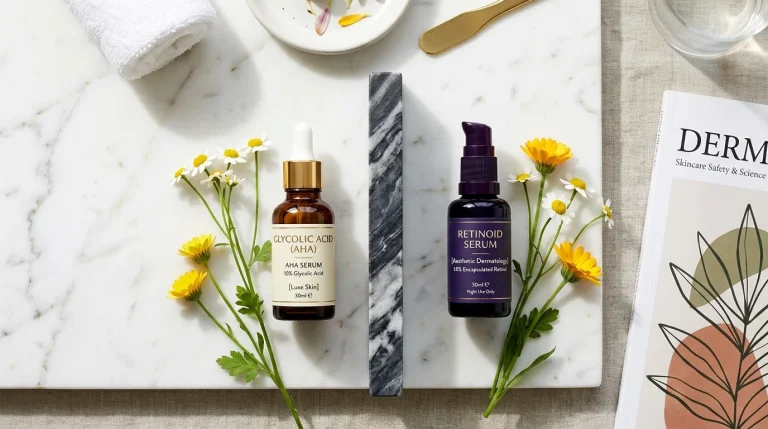
Why You Shouldn't Mix Retinol & AHA: Top Dermatologist Warnings

Understand pH conflict, barrier disruption risks, and safe alternating evening schedules when formulating an active retinoid and alpha-hydroxy acid regimen.

Routine Architecture

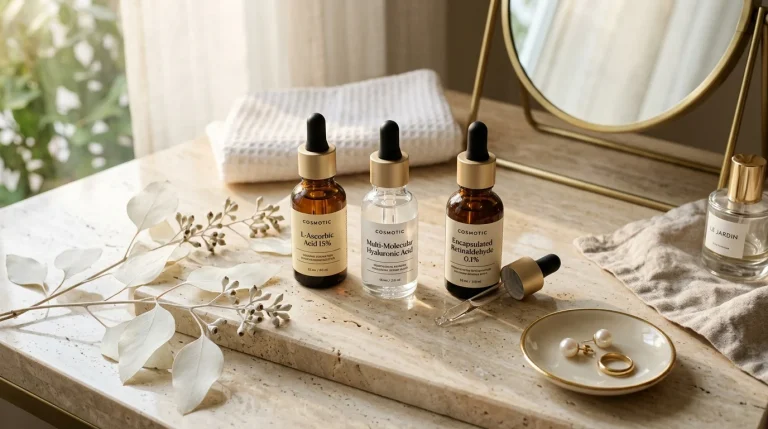
How to Layer Vitamin C, Hyaluronic Acid, and Retinol: Application Guide

Master the sequential molecular weight and viscosity protocol for daytime antioxidant defense and nighttime cellular renewal.

Cellular Longevity

OneSkin Review: Can You Reverse Skin Aging at the Cellular Level?

An in-depth biochemical evaluation of OS-01 peptide technology, senescent cell clearance, and epidermal thickness restoration.

Cellular Aging Mechanisms: Glycation, Photoaging & Peptide Signalling

Skin aging is driven by both intrinsic biological pacing and extrinsic environmental damage. Extrinsic photoaging from ultraviolet (UV) radiation accelerates matrix metalloproteinase (MMP) breakdown, degrading structural type I and III collagen fibers in the extracellular matrix. Simultaneously, cellular glycation produces advanced glycation end-products (AGEs) that cross-link elastomeric fibers, causing loss of skin recoil and microvascular fragility.

A therapeutic anti-aging protocol prioritizes epidermal barrier reinforcement over excessive chemical exfoliation. Utilizing lipid-identical ceramides (1, 3, 6-II), cholesterol, and free fatty acids alongside stabilized L-ascorbic acid and bioavailable retinoids establishes sustained cellular turnover without precipitating chronic sub-clinical inflammation.

Bioactive ClassPrimary MechanismClinical Standard / Tolerance
Topical Retinoids (All-trans retinoic acid)Upregulates procollagen gene expression & cellular turnover0.025% – 0.1% Concentration; Nighttime only
Signal Peptides (e.g. Matrixyl, OS-01)Mimics collagen breakdown fragments to stimulate fibroblastsGentle, non-photosensitizing; Safe for daily AM/PM use
L-Ascorbic Acid (Vitamin C)Scavenges reactive oxygen species & stabilizes collagen triple helix15% – 20% at pH < 3.5 with Ferulic Acid
Niacinamide (Vitamin B3)Boosts ceramide synthesis & inhibits melanosome transfer2% – 5% Optimal range; Prevents barrier irritation

Topic Directory & Curated Guides

Frequently Asked Questions

At what age should you begin incorporating anti-aging actives into your skincare routine?

Preventative antioxidant protection (Vitamin C and broad-spectrum SPF 30+) should begin in your early twenties, while targeted cellular turnover catalysts such as encapsulated retinol or granactive retinoids are typically introduced around age 25 when natural collagen synthesis begins declining by approximately 1% annually.

Can you use retinol and vitamin C in the same routine?

While direct layering can destabilize acidic L-ascorbic acid and irritate the stratum corneum, the gold standard protocol divides them by diurnal rhythms: apply Vitamin C in the morning beneath sunscreen for antioxidant photoprotection, and apply retinol at night for cellular repair.

What is the difference between chronological aging and photoaging?

Chronological aging is genetically determined intrinsic senescence characterized by natural skin thinning and slowed renewal, whereas photoaging represents extrinsic UV-induced DNA mutagenesis, deep elastosis, coarse rhytids, and hyperpigmentation that accounts for up to 80% of visible facial aging.

Get Weekly Beauty Tips

Join 50,000+ readers. Unsubscribe anytime.

Tired of hiding your body every summer?
The problem isn't you-it's your cellular energy!
See how Mitolyn's mitochondrial support helped thousands of women transform their metabolism AND skin quality before beach season.
✓ 16.3 lbs average weight loss in just 90 days ✓ Clearer, more radiant skin reported by users
✓ No stimulants, crashes, or jitters
"I wasn't just energized-I felt centered. My skin looked subtly clearer and more hydrated... with more color and elasticity in my face."