Category: Gel Nails

Browse all articles in this category.

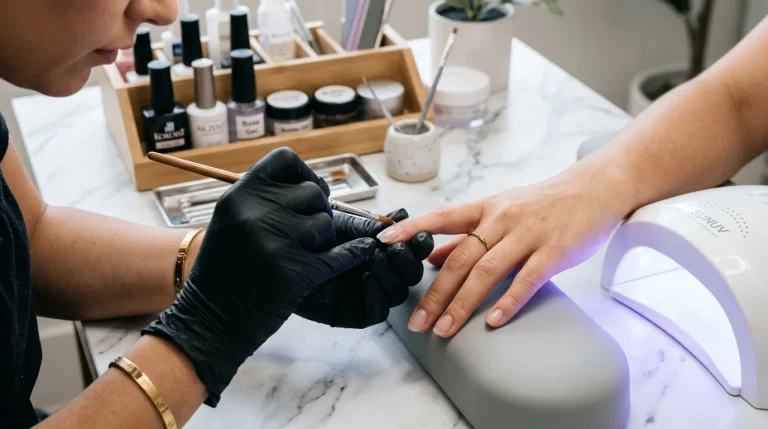
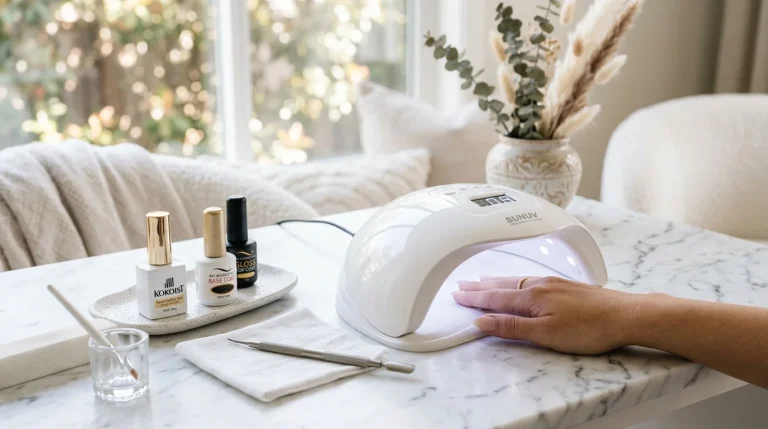
Gel Nails represent an advanced oligomeric nail enhancement system where liquid photoinitiator-infused resins polymerize into cross-linked, high-gloss durable polymers when exposed to specific ultraviolet (UV) or light-emitting diode (LED) wavelengths.

Foundational Pillars (Start Here)

Wear Time Science

How Long Do Gel Nails Last? 17 Tips For Long-Lasting Wear

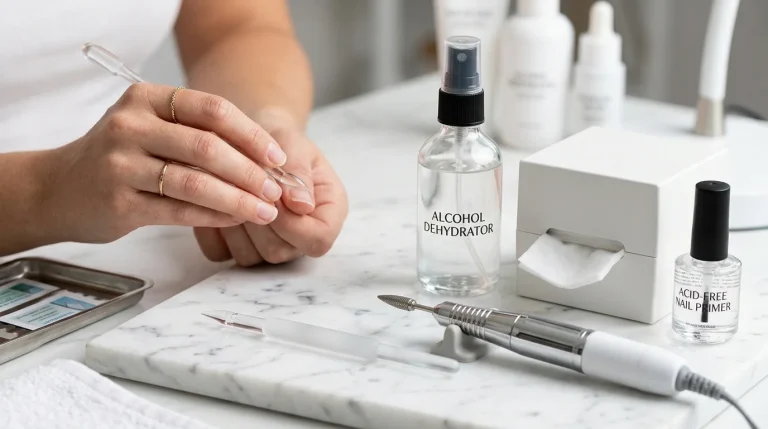
Maximize 3-week manicures through meticulous cuticle dehydration, acid-free priming, and free-edge capping.

Aesthetic Techniques

How To Get Natural Looking Gel Nails: The Complete Guide

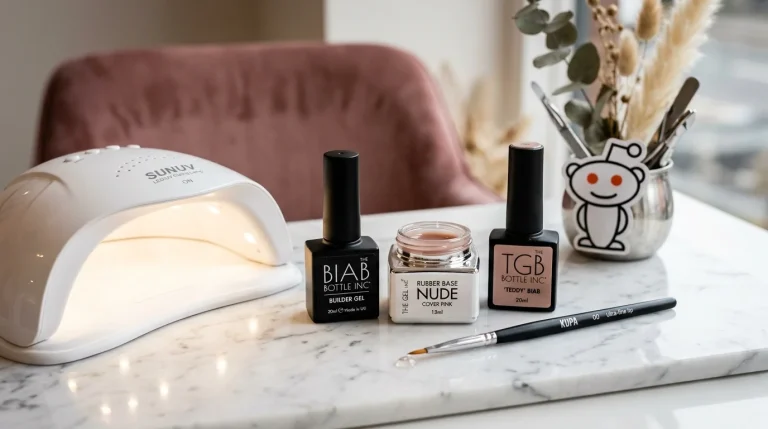
Master apex architecture, sheer neutral rubber bases, and tapered cuticle margins for effortless elegance.

Chemistry & Curing

7 Quick Ways How To Remove Sticky Residue From Gel Nails at Home

Understanding oxygen inhibition layers and the chemistry of 99% isopropyl alcohol versus acetone-free cleansers.

Polymerization Chemistry: Oligomers, Free Radicals & Photoinitiators

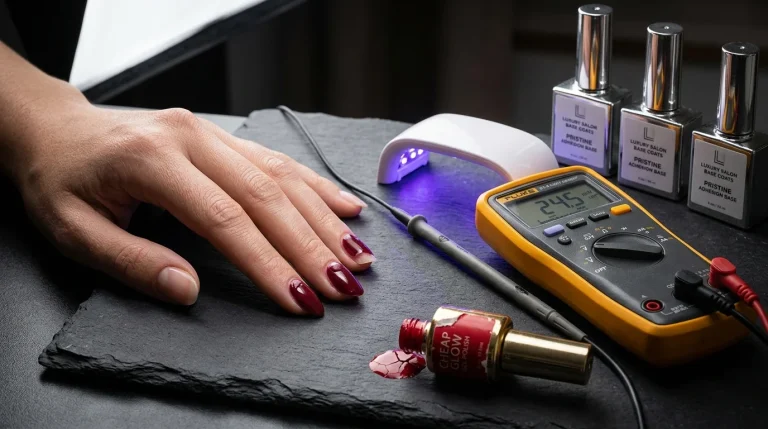
Gel nail polish does not dry through atmospheric solvent evaporation like traditional nitrocellulose lacquers. Instead, it undergoes free-radical addition polymerization. Formulated with urethane acrylate oligomers and photoinitiators (such as TPO or BAPO), the gel absorbs UV radiation (typically 365-405 nm), creating reactive free radicals that link monomers into an interconnected, non-porous polymer matrix within 30 to 60 seconds.

The notorious ‘sticky layer’ remaining on top of cured gel is the oxygen inhibition layer, where atmospheric oxygen terminates free-radical chain reactions at the immediate air-gel interface. Cleansing this layer requires 90%+ isopropyl alcohol to wipe away unpolymerized monomers without dulling the cross-linked gloss underneath. Proper prep—buffing the natural lipid shine and dehydrating the keratin plate—is the single most decisive factor preventing premature perimeter lifting.

Gel SystemFormulation Viscosity & StrengthCuring & Removal Method
Soft Gel Polish (Soak-off)Low-viscosity flexible oligomers60s LED / 120s UV; 100% Acetone soak-off (10-15 mins)
Hard Gel (Traditional Builder)High-viscosity rigid cross-linked polymerRequires 365nm UV; Non-porous, must be e-filed / buffed off
Rubber Base GelHigh-elasticity flexible polymerSelf-leveling; Ideal for thin/bendy nails, acetone soakable
Polygel / AcrylgelPremixed acrylic powder & oligomer pasteZero running; Requires slip solution and dual forms or tip overlay

Topic Directory & Curated Guides

Frequently Asked Questions

Why does gel nail polish peel off within a few days?

Premature peeling is predominantly caused by improper nail preparation: failure to remove invisible cuticle pterygium on the nail plate, inadequate surface dehydration, touching the proximal nail fold with wet gel, or omitting the crucial free-edge capping stroke before curing.

Can you cure gel polish with a regular fan or hairdryer?

No. Gel polish contains photoinitiators that strictly require ultraviolet radiation (365nm to 405nm wavelength) to trigger the chemical polymerization reaction. Airflow, fans, and standard incandescent heat will never cure gel polish.

How do you safely remove gel nails without peeling off natural nail layers?

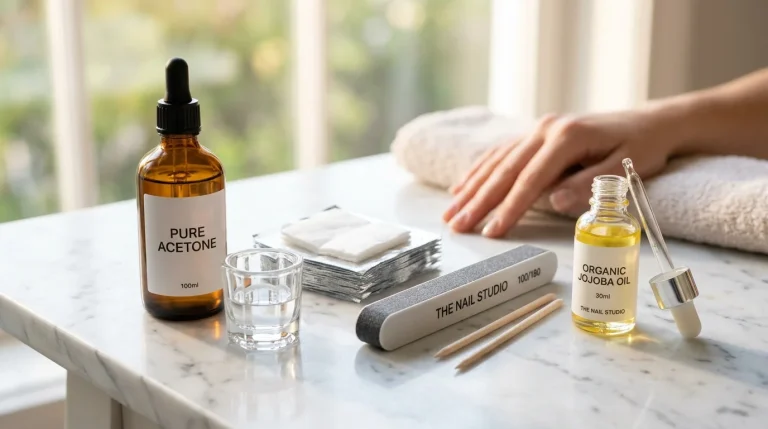
Gently file through the hard topcoat gloss with a 150/180 grit hand file to break the seal. Saturate pure cotton balls in 100% pure acetone, wrap each finger in aluminum foil, let soak for 15 minutes, and gently glide off the softened gel using a wooden cuticle pusher without forceful scraping.

Get Weekly Beauty Tips

Join 50,000+ readers. Unsubscribe anytime.

Tired of hiding your body every summer?
The problem isn't you-it's your cellular energy!
See how Mitolyn's mitochondrial support helped thousands of women transform their metabolism AND skin quality before beach season.
✓ 16.3 lbs average weight loss in just 90 days ✓ Clearer, more radiant skin reported by users
✓ No stimulants, crashes, or jitters
"I wasn't just energized-I felt centered. My skin looked subtly clearer and more hydrated... with more color and elasticity in my face."