Tightlining—sounds like a circus act, right? But no, it’s actually a popular makeup technique that promises to make your eyes pop. The question is, is tightlining bad for your eyes? As someone who loves a good beauty hack, I’ve often wondered if this trend is more trick than treat.
You see, tightlining involves applying eyeliner to the waterline, that sensitive area right near your eyeballs. While it can give you that sultry, wide-eyed look, it also raises concerns about eye health. So, let’s dive into whether this beauty trick is worth the risk or if it’s time to find a safer way to make our eyes stand out.
Contents of Article
- Key Takeaways
- What Is Tightlining?
- Benefits Of Tightlining
- Common Concerns About Tightlining
- Expert Opinions
- How To Tightline Safely
- Conclusion
- The Medical Perspective: Is Tightlining Bad for Your Eyes?
- What Type of Eyeliner is Safest for the Waterline?
- Frequently Asked Questions
- What is tightlining in makeup?
- What are the benefits of tightlining?
- Is tightlining safe for the eyes?
- What type of eyeliner should I use for tightlining?
- How should I apply eyeliner for tightlining?
- How often should I replace my eyeliner?
- How important is makeup removal after tightlining?
- What should I do if I experience irritation or infection after tightlining?
Key Takeaways
- What is Tightlining?: Tightlining is a makeup technique where eyeliner is applied to the waterline of the eyes to create the illusion of fuller lashes and more defined eyes. It requires careful application using hypoallergenic products to avoid irritation.
- Benefits of Tightlining: This method offers a natural enhancement to the eyes, making them look bigger and more awake. It also creates the illusion of fuller lashes and is suitable for daily wear with the right products.
- Common Concerns: Key concerns include potential eye irritation, risk of infections, and impact on lash health. Using contaminated or non-hypoallergenic products, or improper application techniques can exacerbate these issues.
- Expert Opinions: Dermatologists and ophthalmologists emphasize the importance of using hypoallergenic, non-expired products and proper application techniques. They highlight the need for thorough makeup removal and consulting professionals if irritation occurs.
- How to Tightline Safely: To safely tightline, select high-quality, hypoallergenic products, apply gently without pulling the eyelid, and avoid sharing makeup. Replace products every three months and cleanse thoroughly to maintain eye health.
What Is Tightlining?
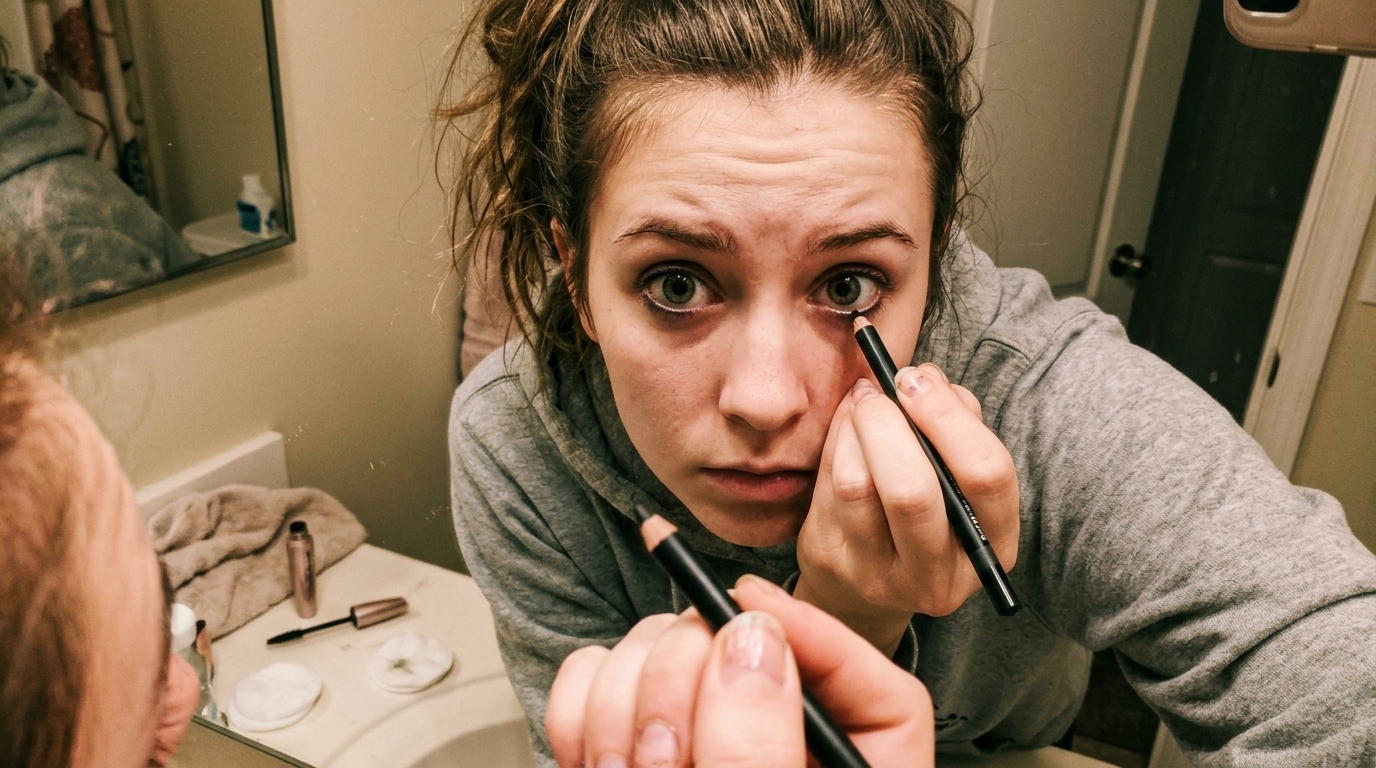
Tightlining is a makeup technique where eyeliner is applied to the waterline of the eyes, the area located between the eyelashes and the eye itself. Many makeup enthusiasts use it to create the illusion of fuller lashes and define the eyes without an obvious line. By carefully applying eyeliner along this delicate strip of skin, the eyes can appear more prominent and awake.
This technique requires a steady hand and precise application, as the waterline is a sensitive and narrow area. Pencil eyeliners, especially those with a soft, waterproof formula, are commonly used to achieve the desired effect. Gel eyeliners and certain liquid eyeliners also work if they are appropriate for the sensitive eye area.
Avoiding smudging and irritation is crucial when tightlining. Always choose hypoallergenic products to minimize the risk of allergic reactions or discomfort. Properly cleaning the eyeliner before and after use can prevent bacterial infections. Regularly swapping out old makeup for fresh products helps maintain eye health.
Individuals often turn to tightlining for special occasions or daily wear, enhancing their look subtly yet effectively. While the results can be striking, taking care while applying, and using the right products, is essential to ensure this beauty practice doesn’t compromise eye health.
Benefits Of Tightlining
Tightlining can offer several notable benefits for enhancing one’s eye makeup. This technique provides a subtle, natural enhancement by filling in the gaps between the eyelashes. Many people find their eyes appear more defined without the heavy look of traditional eyeliner methods.
Because the eyeliner is applied directly to the lash line, it creates the illusion of fuller lashes. For those with sparse or light-colored eyelashes, tightlining can make a significant difference. This method is particularly useful for daily wear. Eye makeup remains understated while still ensuring a polished look.
Tightlining also helps in making the eyes look bigger and more awake. It’s a preferred technique when aiming for a more youthful appearance. Using hypoallergenic products reduces irritation and contamination risks, especially for sensitive eyes. Precision in application minimizes potential adverse effects.
Finally, this makeup technique is adaptable for different types of eyeliner, whether one prefers pencil, gel, or liquid forms. Each type offers a unique texture and finish, catering to varying preferences and styles.
Common Concerns About Tightlining
Applying eyeliner to the waterline between your eyelashes and eye enhances your eyes subtly. However, some concerns arise with this makeup technique.
Potential Eye Irritation
Some people experience eye irritation from tightlining. This discomfort often comes from using non-hypoallergenic eyeliners. Sensitive eyes can react negatively to certain chemicals or preservatives. Eyeliners with fragrance can cause tearing or stinging. Make sure to use products labeled safe for sensitive eyes. Irritation also stems from poor application techniques. Applying eyeliner roughly can scratch the delicate waterline area. Opt for a smooth, gentle application process to avoid this issue.
Risk Of Infections
Tightlining increases the risk of infections if not done correctly. Using contaminated eyeliner can introduce bacteria to the waterline. Bacterial contamination often results in eye infections like conjunctivitis. Sharing eye makeup products also spreads harmful bacteria. Always use your eyeliner and never share it. Removing eye makeup improperly can leave residues that foster infections. Thoroughly clean your eyes before sleeping to minimize this risk.
Impact On Lash Health
Lash health can suffer from tightlining. Regularly applying eyeliner close to the lash roots weakens them. This leads to increased lash shedding and breakage. Waterline products can block lash follicles, causing irritation and stunted lash growth. Clean your lash line regularly to maintain healthy follicles. Using waterproof eyeliners frequently makes removal harsh, pulling out lashes. Consider using gentler, non-waterproof formulas for tightlining instead.
Expert Opinions
Dermatologists’ Viewpoint
Experts in dermatology often highlight the importance of using hypoallergenic products when tightlining. Sensitive skin around the eyes can easily react to certain ingredients. So, dermatologists recommend selecting eyeliners specifically formulated to be gentle on the skin. The fine particles in some eyeliners, if not properly formulated, might cause irritation. To minimize such risks, opt for pencils or gels over liquid eyeliners. These are less likely to contain harsh chemicals.
Dermatologists also stress the significance of removing makeup thoroughly. Failure to do so can lead to clogged pores or allergic reactions. Use a gentle eye makeup remover designed for sensitive areas. Harsh cleaning methods can exacerbate skin issues. If irritation persists, consulting a dermatologist becomes crucial. They can offer tailored advice and prescribe suitable products to prevent further problems.
Ophthalmologists’ Perspective
Ophthalmologists bring a different focus to the conversation about tightlining. They emphasize the risk of eye infections when using contaminated or expired products. Your eyeliner can gather bacteria over time, which might increase infection risk. To avoid this, replace your eyeliner every three months. Eyes are highly sensitive to infections, so keeping your tools clean is vital.
Additionally, these eye experts often note that improper tightlining techniques can scratch the cornea. The eye’s surface is delicate, and any abrasive contact might cause damage. Precision in application is crucial to safeguard your vision. Using products labeled as safe for the waterline can further reduce risks. If you experience redness, swelling, or pain after tightlining, visit an ophthalmologist promptly. They can diagnose any potential issues and suggest safer application practices.
How To Tightline Safely
Tightlining enhances the eyes without looking overdone. Ensure safety while tightlining by choosing the right products and using proper techniques.
Choosing The Right Products
High-quality products minimize risk. Hypoallergenic eyeliners reduce irritation, especially for sensitive eyes. Gel and pencil liners typically work best for the waterline due to their smoother application compared to liquids. Check for ingredients safe for eye-area use, avoiding those with parabens or fragrances. Always choose products from reputable brands known for safety. Test new products on a small skin area before applying them to the waterline. Replace eyeliners every three months to prevent bacterial contamination.
Proper Application Techniques
Clean hands before starting. Avoid pulling the eyelid to minimize stress on the skin. For the smoothest line, use short, gentle strokes. Tightline from the outer corner moving inward. If sensitive, take moments between strokes. Never share eye makeup to prevent infections. Remove all makeup thoroughly before bed to prevent residue buildup. Gently cleanse the eye area with suitable remover and cotton pads. Seek medical advice if experiencing irritation or infection signs after tightlining. Tightlining can be safe and effective with the right products and careful application techniques.
Conclusion
Tightlining can be a fantastic way to enhance your eyes subtly and achieve fuller-looking lashes. By using high-quality hypoallergenic products and following proper application techniques, you can enjoy the benefits without risking eye irritation or infection. Remember to keep your eyeliner clean, replace it regularly, and always remove your makeup before bed. If you notice any signs of irritation or infection, don’t hesitate to seek medical advice. With these precautions in mind, tightlining can remain a safe and effective part of your makeup routine.
The Medical Perspective: Is Tightlining Bad for Your Eyes?
While tightlining can create a stunning visual effect, many eye health professionals caution against making it a daily habit. The waterline is a delicate mucus membrane, and applying makeup directly onto it poses several medical risks that you should be aware of:
- Clogged Meibomian Glands: The waterline contains tiny glands that secrete essential oils to keep your eyes lubricated. Regular tightlining can physically block these glands, leading to dry eye disease and painful styes.
- Tear Film Contamination: Eyeliner particles can easily migrate from the waterline into your tear film. This not only causes immediate irritation and blurred vision but also increases the risk of serious bacterial infections.
- Toxic Ingredients: Many eyeliners contain preservatives and chemicals that are perfectly fine for your outer eyelid but can be toxic to the sensitive ocular surface when applied directly to the waterline.
What Type of Eyeliner is Safest for the Waterline?
If you choose to tightline, your choice of product is the most critical factor in protecting your eye health. Not all eyeliners are created equal when it comes to the waterline.
- Opt for Gel or Kohl Pencils: Use creamy, waterproof gel pencils. They glide on smoothly without requiring you to drag the pencil across the delicate skin.
- Avoid Liquid Liners: Never use a liquid eyeliner on your waterline. Liquid formulas are far too fluid and will immediately seep into your eye, causing stinging and potential damage.
- Look for “Ophthalmologist-Tested”: Always prioritize products that are explicitly labeled as “ophthalmologist-tested” and deemed safe for waterline use.
- Sharpen Before Every Use: If you are using a traditional pencil, sharpen it lightly before every single application. This removes the outer layer of the product, effectively eliminating bacteria that may have gathered since its last use.
Frequently Asked Questions
What is tightlining in makeup?
Tightlining is a makeup technique in which eyeliner is applied to the waterline of the eyes. This method helps to subtly enhance the eyes by making the lashes appear fuller and providing natural eye definition.
What are the benefits of tightlining?
The benefits of tightlining include giving the appearance of fuller lashes, providing natural eye definition, and creating a subtle yet impactful look. It is particularly effective for those seeking a no-makeup makeup look.
Is tightlining safe for the eyes?
Yes, tightlining can be safe if done correctly. It’s important to use hypoallergenic, high-quality eyeliners and follow proper application techniques to avoid eye irritation and infections. Always prioritize hygiene and consult with a dermatologist or ophthalmologist if any issues arise.
What type of eyeliner should I use for tightlining?
For tightlining, choose a hypoallergenic, high-quality eyeliner that is specifically designed for use on the waterline. Avoid eyeliners with harsh chemicals and opt for those that are gentle on sensitive eye areas.
How should I apply eyeliner for tightlining?
Use short, gentle strokes to apply the eyeliner directly to the waterline. Start from the outer corner and work your way in, ensuring even coverage. Maintain a light hand to avoid any unnecessary pressure on the delicate eye area.
How often should I replace my eyeliner?
It is recommended to replace your eyeliner every three to six months to prevent the risk of infection. Regularly check for any changes in texture, smell, or color and discard if you notice any abnormalities.
How important is makeup removal after tightlining?
Makeup removal after tightlining is crucial to maintain eye health. Ensure that you thoroughly remove all traces of eyeliner before bed to prevent irritation and possible infections. Use a gentle, effective eye makeup remover.
What should I do if I experience irritation or infection after tightlining?
If you experience irritation or signs of infection after tightlining, stop using the eyeliner immediately and consult a dermatologist or ophthalmologist. Look for hypoallergenic products and follow recommended practices for safe application in the future.
Get our latest guides, news, and insights highlighted in your Google Search & AI Overviews.