
Did you know that millions of people reach for coke Zero thinking it’s a smarter choice than regular soda because it contains zero sugar and fewer calories? But is Coke Zero really better for your health, or could there be hidden drawbacks you haven’t considered? If you’re curious about how this popular beverage fits into your health goals-whether it’s managing weight, reducing sugar intake, or just making smarter drink choices-this article will clear up the confusion. We’ll explore what makes Coke Zero different, what the science says about its ingredients, and whether it’s truly a healthier alternative or just another beverage to consume with caution. By the end, you’ll have a clearer picture to help you decide if Coke Zero deserves a place in your daily routine or if it’s time to rethink that can in your hand. Stay with us-it may surprise you how complex this seemingly simple choice really is.
Contents of Article
- What Is Coke Zero and How Is It Made?
- Key Ingredients: What’s Really Inside?
- Does Coke Zero Affect Your Health?
- Sugar-Free Drinks vs. Regular Soda: What You Should Know
- Common Myths About Coke Zero Debunked
- How Coke Zero Impacts Weight and Metabolism
- Caffeine in Coke Zero: Benefits and Risks
- coke Zero’s Effect on Teeth and Oral Health
- Is Coke Zero Safe for Everyone? Special Considerations
- alternatives to Coke Zero: Healthier Beverage Options
- How to Enjoy Coke Zero Without Guilt
- Future Research and What Science Says Next
- frequently asked questions
- Q: Can drinking Coke Zero affect your gut health?
- Q: How does Coke Zero compare to other diet sodas in terms of safety?
- Q: Why might some people experience headaches after drinking Coke Zero?
- Q: What is the environmental impact of Coke zero packaging?
- Q: Can Coke Zero interfere with medication or medical conditions?
- Q: how often is it safe to drink Coke Zero without health risks?
- Q: Does Coke Zero affect hydration compared to water or other drinks?
- Q: What makes Coke Zero different from Coca-Cola Zero Sugar,and does that affect health?
- Future Outlook
What Is Coke Zero and How Is It Made?
You might be surprised to learn that Coke Zero is crafted to deliver the classic taste of Coca-Cola without the sugar and calories that manny people try to avoid. It’s designed specifically for those who enjoy the fizzy refreshment of soda but want to skip the extra sugar load. Unlike regular Coke, which gets its sweetness from high fructose corn syrup or sugar, Coke Zero achieves a similar flavour profile using artificial sweeteners that provide sweetness without calories.
At its core, Coke Zero starts with carbonated water, which gives the beverage its signature bubbly feel. The magic happens in the careful blend of ingredients that replicate Coke’s iconic taste. These include caramel color (to give it that familiar dark hue), phosphoric acid (which adds tanginess), and a collection of natural flavors that are proprietary to the Coke formulation. What makes Coke Zero stand apart from other diet sodas is its sweetening system: aspartame and acesulfame potassium are used as low-calorie sweeteners. These compounds provide intense sweetness without the calories found in sugar, helping to keep your drink light but flavorful. Additionally, ingredients like potassium citrate and potassium benzoate serve to stabilize the drink’s taste and freshness.
How Coke Zero Is Crafted to Mimic Classic Coke
it’s interesting to note that while Coke zero shares some components with regular Coke, the exact process focuses on balancing flavor and sweetness without sugar. This requires precision because the absence of sugar changes how flavors come across. Manufacturers invest a significant amount of research and development into blending sweeteners and flavorings so that coke zero tastes close enough to the original to satisfy Coke lovers, yet distinct enough to stay sugar-free.
- Carbonated Water: The fizzy foundation of the soda that you expect.
- Caramel Color: Adds the deep brown color that visually cues you to that classic Cola experiance.
- Phosphoric Acid: Provides that slight tang that balances sweetness and refreshes.
- Aspartame and Acesulfame Potassium: Powerful sweeteners used to mimic sugar’s sweetness without calories.
- Natural Flavors: A proprietary blend that creates the unique and recognizable Coke taste.
- Preservatives and Stabilizers: Potassium benzoate and potassium citrate help maintain flavor integrity and freshness.
many people appreciate that Coke Zero avoids sugar but don’t want a taste that feels “diet” or artificial. This is why Coke Zero is frequently enough preferred over other zero-calorie sodas that have a stronger sweetener aftertaste. Its formulation aims for a satisfying balance-offering a guilt-free option without compromising much on the familiar cola experience you love.
Whether you’re switching to reduce sugar for health reasons or managing your calorie intake, understanding how Coke Zero is made can definitely help you make informed choices about including it in your diet. The blend of science and flavor artistry behind every bottle ensures that it’s not just “diet soda,” but a carefully calibrated option for those wanting that classic Coke taste minus the sugar crash.
Key Ingredients: What’s Really Inside?
You might think of Coke Zero as just another soda, but its ingredient list tells a story of careful balance between flavor and calorie control. At its heart, Coke Zero is about delivering the familiar cola taste you love-without the sugar that typically packs a calorie punch. Understanding exactly what’s inside can definitely help you feel confident when you reach for that can or bottle next time.
Coke Zero begins with carbonated water,the essential bubbly base that makes every sip crisp and refreshing. The iconic dark color you associate with cola comes from caramel color, a natural coloring agent that gives the drink its rich brown appearance. To create that signature tangy note, phosphoric acid is added, providing a slight sharpness that cuts through sweetness and elevates refreshment.
The real stars here are the sweeteners: aspartame and acesulfame potassium (also called acesulfame-K). These are artificial sweeteners that pack an intense sweet punch-many times sweeter than sugar-without the calories. Because of this potency, only tiny amounts are needed to mimic the taste of sugar, keeping your Coke Zero calorie-free.This duo is designed to reduce the frequently enough bitter aftertaste some people notice in diet sodas, offering a smoother drinking experience closer to classic Coke.
- Potassium benzoate works behind the scenes as a preservative, helping keep Coke Zero fresh and flavorful over time.
- Potassium citrate acts as a buffering agent, stabilizing acidity to maintain a balanced taste.
- Natural flavors remain a closely guarded blend; these are essential to recreating that well-loved cola essence, making Coke Zero more than just a mix of chemicals.
Think of Coke Zero as a product meticulously engineered to walk the fine line between satisfying flavor and calorie savings. For anyone curious about the artificial sweeteners frequently enough misunderstood or feared, it’s certainly worth noting that these ingredients have undergone rigorous safety testing over the years and are approved by numerous regulatory bodies worldwide. As with anything, moderation is key, but knowing what’s inside helps dispel worries and lets you enjoy your drink without unwanted surprises.
| Ingredient | Purpose | Notes |
|---|---|---|
| Carbonated Water | Fizz and refreshment | Base of the beverage, no calories |
| Caramel Color | Color | natural coloring for classic look |
| Phosphoric Acid | Tang and freshness | Provides subtle sharpness, acidity regulator |
| Aspartame & Acesulfame Potassium | Sweetness | Low-calorie sweeteners, sweeter than sugar |
| Natural Flavors | Flavor profile | Proprietary blend for classic Coke taste |
| Potassium benzoate | Preservative | Keeps drink fresh over shelf life |
| Potassium citrate | Stabilizes acidity | Maintains flavor balance |
By taking a closer look at Coke Zero’s ingredients, you’re empowered to make informed choices that suit your lifestyle. Whether you’re cutting back on sugar, managing calories, or just want a tasty alternative to regular soda, this blend of components is designed to keep your soda experience enjoyable and guilt-free.
Does Coke Zero Affect Your Health?
Many people reach for Coke Zero as a zero-calorie alternative to sugary sodas, but you might wonder how it truly interacts with your health. While it’s free of sugar and calories, coke Zero’s impact extends beyond just the numbers on the label. The presence of artificial sweeteners like aspartame and acesulfame potassium has sparked plenty of conversations-and sometimes concerns-about long-term health outcomes. It’s crucial to recognize that these ingredients have been extensively studied and approved by health authorities worldwide, including the FDA and EFSA, indicating they are safe when consumed in moderation.
Having mentioned that, drinking coke Zero occasionally is unlikely to cause harm, but relying heavily on any artificially sweetened drink may not be ideal for overall wellbeing.Some research suggests that regular consumption of artificial sweeteners could influence your gut microbiome or craving patterns for sweet foods,which might indirectly affect metabolism and appetite regulation. Though, these findings are far from conclusive and more research is needed to understand the nuanced effects.
Balancing Enjoyment and Health
If you enjoy the crisp taste of Coke Zero, here are a few tips to keep it part of a balanced lifestyle without overdoing it:
- Moderate your intake: Limit yourself to a can or two occasionally rather than daily consumption to reduce potential risks linked to artificial additives.
- Stay hydrated with water: Since Coke Zero doesn’t provide hydration benefits beyond fluids, ensure you drink plenty of water throughout the day.
- Pair with a nutritious diet: Consider Coke Zero as a treat rather than a staple, and focus your daily beverage choices on nutrient-rich options.
Understanding the Bigger Picture
The health effects of Coke Zero can’t be isolated from your entire lifestyle. For many, it functions as a helpful tool to cut sugar and reduce calories without sacrificing flavor, which can support weight management and decreased sugar intake goals.However, it’s not a magic bullet for health and won’t counterbalance an unbalanced diet or sedentary habits.
| Aspect | Consideration | Practical Advice |
|---|---|---|
| Artificial Sweeteners | Safe in moderation but may affect gut health or cravings | Limit consumption and vary beverage choices |
| Calorie Content | Zero calories support weight control | Use as a sugar-free soda alternative |
| Hydration | No added hydration benefits beyond water content | Balance with plenty of plain water intake |
| Regulatory status | Approved and deemed safe by health authorities | Feel confident about occasional consumption |
Ultimately, Coke Zero can be part of a healthy lifestyle if you consume it thoughtfully. Paying attention to how your body responds and combining its use with healthy habits will help you enjoy its perks without sacrificing your long-term wellbeing. After all, well-informed choices contribute to a better relationship with your favorite beverages-and with your health.
For those seeking to reduce sugar without added health concerns, balancing Coke Zero with other natural drinks, like herbal teas or infused waters, can provide variety and peace of mind. Remember,the key lies in moderation,awareness,and enjoying your favorites without guilt.
Sugar-Free Drinks vs. Regular Soda: What You Should Know
Choosing between sugar-free drinks like Coke Zero and regular sodas may seem straightforward-one has sugar and calories, the other doesn’t. But the reality is a bit more nuanced. While sugar-free sodas are designed to satisfy your sweet tooth without the calorie load, they come with their own set of considerations. For example, sugar-free options rely on artificial sweeteners such as aspartame or acesulfame potassium, which provide sweetness without the metabolic impact of sugar.This can be beneficial if you’re managing weight, diabetes, or monitoring your sugar intake.
Though, the benefits of ditching sugar should be weighed against how these alternatives affect your body beyond calories. Some studies suggest that frequent consumption of artificially sweetened beverages might influence appetite regulation and cravings, sometimes making you want more sweet or carb-rich foods later. This isn’t a guaranteed effect for everyone, but it highlights the importance of observing how your own body responds. Conversely, regular sodas deliver a significant sugar hit-often upwards of 30 grams per serving-which can contribute to blood sugar spikes, insulin resistance, and fat accumulation when consumed excessively.
Practical Tips for Making Smart Choices
- Listen to your body: Notice if drinking sugar-free sodas triggers more sugar cravings or leaves you feeling satisfied.
- Moderation is key: Rotate between sugar-free drinks, water, and other naturally flavored beverages to avoid overreliance on artificial sweeteners.
- Check ingredient labels: Some zero-sugar sodas contain additives that might not sit well with everyone; being informed can definitely help you choose better.
- focus on whole foods: Complement your beverage choices with balanced meals rich in fiber and protein to maintain steady energy and appetite control.
In essence, sugar-free drinks like Coke Zero can serve as useful tools that help reduce sugar and calorie intake without sacrificing the enjoyment of fizzy, sweet flavors. Yet, they aren’t a free pass to consume endlessly.Meanwhile, regular sodas with full sugar content carry well-known risks, especially when consumed daily or in large amounts. Balancing these options thoughtfully and embracing a lifestyle that includes plenty of water and nutrient-rich foods lets you enjoy soda flavors responsibly while supporting better long-term health.
| Aspect | Sugar-Free Drinks | Regular Soda |
|---|---|---|
| Calories | Zero or vrey low | High (typically 140+ per can) |
| Main Sweeteners | Artificial sweeteners (e.g., aspartame, acesulfame K) | sugar (high-fructose corn syrup or cane sugar) |
| Impact on Blood Sugar | Minimal direct effect | Cause rapid spikes |
| Potential Metabolic Effects | Possible influence on appetite and gut microbiota (under study) | Increased risk for obesity, insulin resistance |
| Dental Health | Acidic but no sugar to fuel decay | Acidic and sugar promotes cavities |
Common Myths About Coke Zero Debunked
People often jump to conclusions about Coke Zero, fueled by common misconceptions rather than facts. One widespread myth is that zero-calorie sodas like Coke Zero are inherently harmful or worse than regular sugar-sweetened sodas. The truth is more nuanced. While Coke Zero contains artificial sweeteners instead of sugar, this doesn’t automatically translate to it being ”bad” for your health.it’s important to look beyond catchy headlines and understand what the science really says.
Many worry that artificial sweeteners in Coke Zero-such as aspartame and acesulfame potassium-cause serious health issues, but extensive research has found no conclusive evidence that moderate consumption poses significant risks for most people.Of course, individuals with certain health conditions like phenylketonuria (PKU) should avoid aspartame specifically, but for the general population, these sweeteners are considered safe when consumed within recommended limits. Additionally, the absence of sugar means coke Zero doesn’t contribute to blood sugar spikes or add calories, which can be beneficial if you’re managing weight or diabetes.
Another myth is that Coke Zero might cause uncontrollable sugar cravings or overeating. While some studies hint at artificial sweeteners potentially affecting appetite regulation in certain individuals, this isn’t a global effect. The key is tuning into how your body responds-if you find that drinking Coke Zero leads you to crave sweets later,it might be worth moderating your intake. On the flip side,regular soda’s high sugar content often contributes directly to increased calorie consumption and weight gain when drunk frequently.
Separating Fact from Fiction
- Myth: “Coke Zero causes cancer.”
Fact: Scientific agencies such as the FDA and EFSA have repeatedly affirmed the safety of approved artificial sweeteners when consumed within limits. - Myth: “Artificial sweeteners in coke Zero make you gain weight.”
Fact: Unlike sugar, these sweeteners don’t add calories; weight gain depends more on overall diet and lifestyle. - Myth: “Coke Zero kills beneficial gut bacteria.”
Fact: Early studies suggested possible effects on gut microbiota, but evidence is mixed and far from conclusive. More research is needed. - Myth: “Coke Zero is just as bad for teeth as regular soda.”
Fact: Coke Zero is acidic like regular soda, which can erode enamel, but it doesn’t contain sugar that feeds decay-causing bacteria, reducing cavity risk.
Understanding these points helps you make smarter beverage choices without needless fear. If you enjoy the taste and convenience of Coke Zero, it can be part of a balanced lifestyle, particularly when consumed in moderation alongside water and nutrient-rich foods. Being informed empowers you to enjoy those fizzy cravings while keeping your health goals on track.
How Coke Zero Impacts Weight and Metabolism
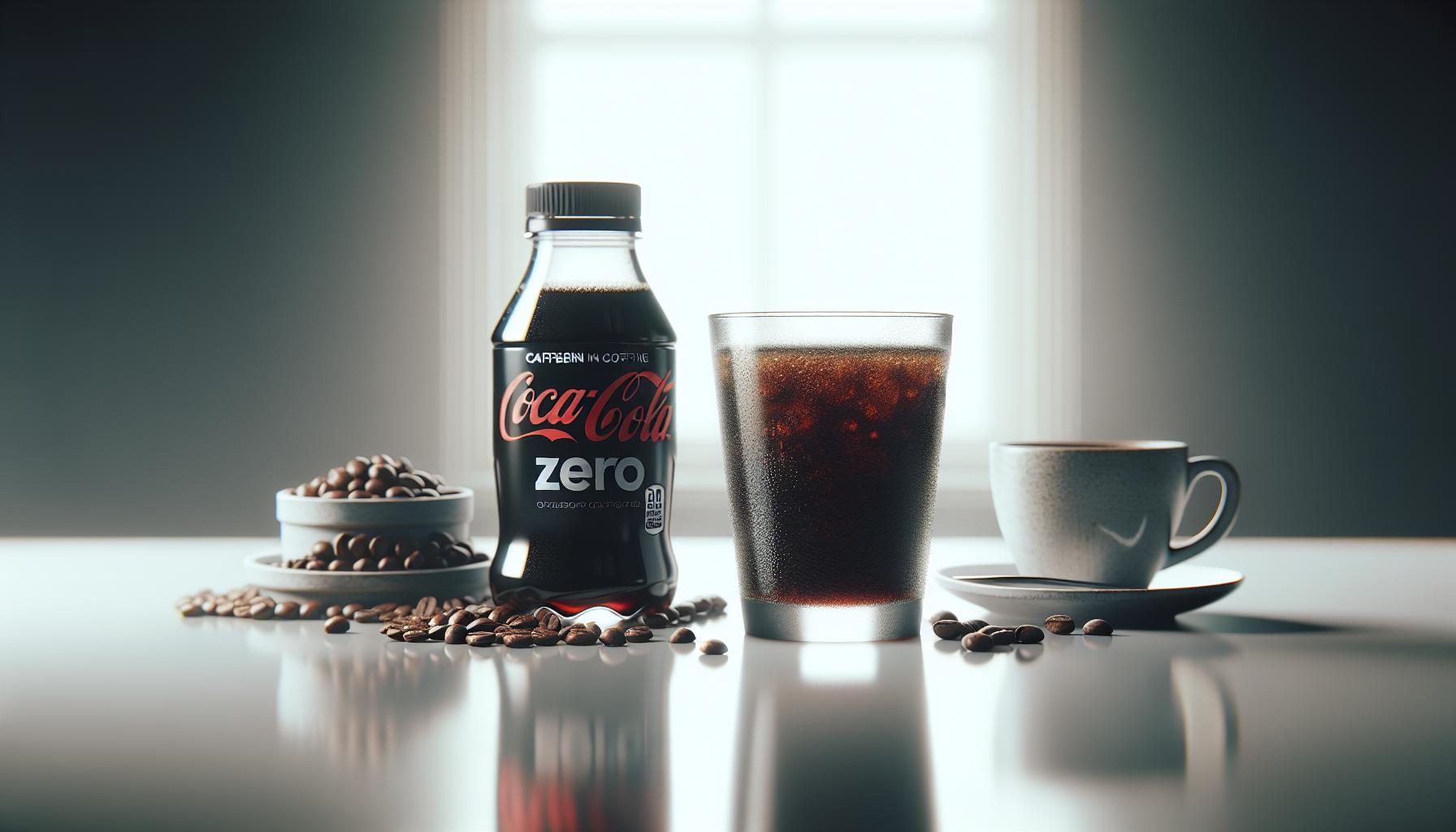
Most people assume that because Coke Zero contains no calories,it naturally supports weight management-but the relationship between artificial sweeteners and metabolism is more complex than it seems. While Coke Zero doesn’t add sugar or calories to your diet, some concerns have been raised about how its sweeteners might subtly influence your body’s metabolic processes and appetite regulation.
Artificial sweeteners such as aspartame and acesulfame potassium provide the sweet taste without the calories found in regular soda,so technically,they don’t contribute directly to weight gain. However,research shows mixed results when it comes to their impact on metabolism. Some studies suggest that consuming sweet-tasting substances without calories might confuse the body’s natural ability to gauge energy intake, potentially altering hormones related to hunger and satiety. This could lead certain individuals to feel hungrier or crave sweet, calorie-dense foods later, possibly causing overeating.
Understanding Appetite and cravings
- Individual Variation: How you respond to artificial sweeteners can be very personal. Some people might notice increased cravings after drinking diet sodas, while others experience no effect on their appetite.
- Mindful Consumption: Paying attention to how your body reacts after a Coke Zero can definitely help you decide if it fits into your eating habits without prompting unwanted snacking.
Importantly, several large-scale studies have found no conclusive evidence that diet sodas like Coke Zero cause weight gain directly. weight trends are frequently enough tied more closely to overall lifestyle-a balanced diet and consistent activity-than to any single beverage. Actually, swapping regular sugary sodas for Coke Zero can reduce total calorie intake, which may help those aiming to maintain or lose weight.
metabolic Effects and Insulin Response
There’s ongoing discussion about whether artificial sweeteners might affect insulin sensitivity or blood sugar control.Some theories suggest that tasting sweetness without caloric intake could trigger insulin release, potentially influencing fat storage or metabolism. However, current evidence is inconclusive and even suggests that Coke Zero doesn’t raise blood sugar levels in the way sugar-containing drinks do. For individuals managing diabetes or metabolic syndrome, Coke Zero may actually be a preferable choice over sugar-laden sodas, reducing the risks of blood sugar spikes that contribute to weight gain and health complications[[[[[[[[[1]](https://www.urmc.rochester.edu/encyclopedia/content?contentTypeID=56&ContentID=19891).
Practical Tips for Incorporating Coke Zero
- Use as a Treat, Not a Habit: While Coke Zero can satisfy cravings for fizzy, sweet drinks without calories, it’s best enjoyed occasionally rather than as a constant replacement for water or nutrient-rich beverages.
- Balance with Whole Foods: Ensure your diet includes plenty of fiber, protein, and healthy fats, which help regulate hunger and offset any potential appetite changes triggered by artificial sweeteners.
- Stay Hydrated: Drinking water alongside or after Coke Zero can help maintain your metabolism’s natural rhythm and reduce any false hunger signals.
Ultimately, Coke Zero can be a useful tool for those looking to reduce sugar intake without sacrificing flavor, but it’s not a magic bullet for weight loss. By staying mindful and pairing it with a balanced diet and active lifestyle, you can enjoy the fizz without worrying that it’s secretly sabotaging your metabolism.
Caffeine in Coke Zero: Benefits and Risks
Caffeine is one of the standout ingredients in Coke Zero, offering more than just a familiar buzz. With about 34 mg of caffeine per 12-ounce can, it provides a moderate pick-me-up comparable to many other soft drinks[[[[[[[[[1]](https://www.caffeineinformer.com/caffeine-content/coke-zero).For many, this caffeine content delivers benefits such as enhanced alertness, improved concentration, and a quicker mental response-making Coke Zero a popular choice for those who want a low-calorie option with a little extra energy.
However, while caffeine can boost energy and focus, it’s important to understand how it interacts with your body to make wiser choices. Caffeine stimulates the central nervous system and temporarily wards off fatigue, but consuming it in excess or late in the day may disrupt sleep quality-impacting your overall health and mood.If you find yourself reaching for multiple cans to stay energized, it might be time to reconsider your caffeine balance.
Balancing Energy and Health
- Know Your Limits: Individual sensitivity to caffeine varies widely.Some people can enjoy a Coke Zero afternoon pick-me-up without issue, while others might experience jitters, anxiety, or a racing heart after even a small dose.
- Timing Matters: If caffeine affects your sleep, try to avoid drinking Coke Zero late in the afternoon or evening. Sleep plays a crucial role in metabolism and weight management, so poor rest may negate some of the benefits of cutting sugar.
- Stay Mindful: Consider how Coke Zero’s caffeine fits into your total daily intake from all sources-including coffee, tea, and energy drinks-to avoid accidental overconsumption.
Beyond just the “wake-up” effect,some emerging research hints that caffeine might subtly influence metabolism by increasing calorie burn,albeit modestly. While not a magic weight loss tool, this can complement a healthy lifestyle when combined with balanced diet and exercise. On the flip side, high caffeine intake may sometimes increase stress hormones, which could interfere with metabolic health in sensitive individuals.
In short, Coke Zero’s caffeine content can be a helpful ally for mental alertness and low-calorie enjoyment, but listening to your body and moderating consumption ensures you reap the benefits without unintended drawbacks. Try pairing Coke Zero with nutrient-rich meals and plenty of water to maintain balance-and remember, it’s just one piece of your overall wellness puzzle.
coke Zero’s Effect on Teeth and Oral Health
Coke Zero, like many sugar-free sodas, contains acids-namely phosphoric acid and citric acid-that can affect the enamel on your teeth. Even though it has no sugar, these acids can gradually wear down the protective outer layer of your teeth, known as enamel, leading to what dental experts call enamel erosion. Unlike tooth decay caused by sugar-feeding bacteria, this erosion happens because acids soften and dissolve the enamel over time, potentially making teeth more sensitive and vulnerable to damage[[[[[[[[[1]](https://mypenndentist.org/dental-tips/2024/01/08/sugar-free-dental-myths/).
It’s important to recognize that enamel erosion from beverages like Coke Zero doesn’t happen overnight. Drinking it occasionally as part of a balanced diet isn’t likely to cause serious harm. however, sipping these drinks throughout the day or holding them in your mouth for extended periods increases acid exposure, accelerating enamel wear. If you enjoy coke Zero daily, taking simple precautions can protect your oral health without giving up your favorite drink.
Practical Tips to Protect Your Smile While Enjoying Coke Zero
- Drink Quickly Rather Than Sipping Slowly: limiting the time Coke Zero spends bathing your teeth reduces acid exposure.
- use a straw: A straw helps direct the beverage past your teeth,minimizing direct contact with enamel.
- Rinse With Water: after drinking, swish your mouth with plain water to help neutralize acids and wash away residue.
- Avoid Brushing Right After Drinking: Acid softens enamel temporarily, so wait at least 30 minutes before brushing to prevent abrasion.
- Maintain Good Oral Hygiene: Regular brushing with fluoride toothpaste and flossing support enamel strength and overall dental health.
Some might wonder whether Coke zero’s artificial sweeteners contribute to tooth decay. While these sweeteners don’t feed decay-causing bacteria like sugar does, the acidity in Coke Zero remains a concern for erosion specifically.Studies on low-calorie sodas show that enamel can be softened even without sugar, so moderation and smart habits remain key[[[[[[[[[2]](https://pubmed.ncbi.nlm.nih.gov/31034345/).
If you have sensitive teeth, a history of dental erosion, or concerns about your oral health, consulting your dentist is a good idea. They can advise personalized strategies,recommend fluoride treatments,and monitor your enamel condition to keep your smile healthy while still enjoying beverages like Coke Zero.
while Coke Zero doesn’t cause cavities due to lack of sugar, its acidic nature means it can still affect your teeth if consumed excessively or without care. Being mindful and adopting protective habits lets you enjoy this sugar-free soda without compromising your oral health.
Is Coke Zero Safe for Everyone? Special Considerations

Coke Zero is widely enjoyed by many as a low-calorie alternative to conventional sugary sodas, but it’s critically important to recognize that its safety and suitability can vary depending on individual circumstances. While regulatory agencies like the FDA and WHO generally agree that moderate consumption of Coke Zero is safe for most people, there are special considerations worth keeping in mind to make informed choices that suit your health needs.
Some individuals may need to be more cautious due to the presence of artificial sweeteners such as aspartame and acesulfame potassium.For most adults, these sweeteners fall within acceptable daily intake limits without causing harm. However, people with a rare genetic condition called phenylketonuria (PKU) must strictly avoid aspartame because their bodies cannot metabolize phenylalanine, a component of aspartame. Moreover, although current research indicates no conclusive evidence linking aspartame in Coke Zero to cancer in humans, some sensitive individuals report headaches or digestive discomfort, suggesting it’s wise to observe how your body responds and moderate your intake accordingly[[[[[[[[[2]](https://www.theguardian.com/australia-news/commentisfree/2023/jul/06/does-diet-coke-cause-cancer-aspartame).
Caffeine content is another factor to consider. Coke Zero contains caffeine, which may offer a mild energy boost and increased alertness. However,for pregnant or breastfeeding women,children,or people with caffeine sensitivity,it’s prudent to monitor consumption carefully. High caffeine intake during pregnancy has been associated with risks such as low birth weight, so opting for caffeine-free beverages might be a better choice during this time. Similarly, individuals with heart conditions, anxiety disorders, or sleep problems should consider limiting caffeine to avoid unwanted side effects.
Acidity in Coke Zero, due to ingredients like phosphoric and citric acid, can also be a concern for those with sensitive teeth, acid reflux, or digestive issues. Frequent exposure to acidic beverages can exacerbate enamel erosion or trigger symptoms like heartburn. If you’re prone to these conditions, enjoying Coke Zero occasionally and using preventive measures (like drinking through a straw and rinsing your mouth after consumption) can definitely help minimize harm[[[[[[[[[1]](https://mypenndentist.org/dental-tips/2024/01/08/sugar-free-dental-myths/).
Who Should exercise Extra Caution?
- Pregnant and breastfeeding individuals: due to caffeine and artificial sweeteners,consulting your healthcare provider before regular consumption is advisable.
- People with phenylketonuria (PKU): Must avoid aspartame-containing products fully.
- Individuals sensitive to caffeine or artificial sweeteners: Monitoring intake and noting any adverse symptoms like headaches, digestive issues, or insomnia is critically important.
- Those with dental erosion or acid reflux: Limiting acidic drinks and adopting protective oral habits can reduce complications.
Ultimately, Coke Zero can be part of a balanced lifestyle, but tuning into your body and considering health conditions are key. if you have concerns, chatting with your doctor or a registered dietitian can clarify what’s best for you.By staying informed and mindful,you can enjoy your favorite beverage without compromising your well-being.
alternatives to Coke Zero: Healthier Beverage Options

Many people seek refreshing beverages that don’t compromise health but still satisfy the craving for something bubbly and flavorful-especially when considering alternatives to Coke Zero. Fortunately, there’s a wide variety of options that offer both enjoyment and nutritional benefits, allowing you to sip guilt-free while keeping your wellness goals intact.
If bubbles are your thing, flavored sparkling waters are an excellent choice. These drinks provide the fizzy sensation without added sugars, artificial sweeteners, or calories. Many brands offer natural fruit essences that add subtle taste without overwhelming sweetness. Drinking sparkling water infused with lemon, lime, or berries can brighten your palate while keeping hydration front and center. For instance, a chilled glass of sparkling water with fresh cucumber slices and a sprig of mint can feel both sophisticated and rejuvenating.
Another appealing alternative is kombucha,a lightly effervescent fermented tea rich in probiotics. Beyond the fizz, kombucha may aid digestion and support gut health, thanks to its live cultures. If you enjoy a tangy, slightly sweet beverage with a hint of natural fermentation, this could become your favorite swap. Just watch out for commercial kombuchas with added sugars, and opt for low-sugar or unsweetened versions when possible.
for those who like a little caffeine, unsweetened iced or hot teas-especially green, black, or herbal blends-offer flavor and health benefits without artificial additives. Freshly squeezed lemonades made with minimal sweeteners or natural alternatives like stevia can also be a refreshing treat, delivering vitamin C and antioxidants with far less risk to your teeth or metabolism compared to sodas.
Simple Swaps That Make a Big Difference
- Flavored Sparkling Water: Zero calories, no artificial sweeteners, keeps you hydrated and bubbly.
- kombucha: Gut-friendly probiotics with a tangy fizz, choose low-sugar options.
- Tea (Hot or Iced): A natural caffeine boost with antioxidants; avoid sugary add-ins.
- Freshly Squeezed Lemonade: Use natural sweeteners to keep it light and refreshing.
- Infused Water: Water infused overnight with fruits, herbs, or veggies for subtle flavor.
| Beverage | Key Benefits | Considerations |
|---|---|---|
| Flavored Sparkling Water | Hydrating, zero sugar, refreshingly bubbly | Check for added sugars or artificial flavors |
| Kombucha | Probiotics, digestion support, fizzy taste | may contain small alcohol traces; watch sugar content |
| Tea (green, black, herbal) | Antioxidants, caffeine-free options, versatile | Avoid adding too much sweetener |
| Fresh Lemonade | Vitamin C, natural sweetness | Limit added sugars or use healthier sweeteners |
By exploring these alternatives, you gain the freedom to enjoy flavorful beverages that contribute positively to your daily routine. not only do they help reduce reliance on artificially sweetened sodas like Coke Zero, but they promote hydration, digestive health, and general wellness. So next time you reach for a fizzy drink, remember there’s a spectrum of delicious choices waiting to refresh you and your body.
If you’re curious, experimenting with homemade infused waters or brewing your own tea at home allows you to customize flavors and control ingredients-making your drinks even healthier and more satisfying. Ultimately, balancing enjoyable tastes with mindful beverage choices is the key to looking after your health without giving up on the fun of a bubbly drink.
For more ideas and inspiration on swapping out soda, consider checking out lists of healthy bubbly beverages and soda alternatives for variety and creativity[[[[[[[[[1]](https://www.allrecipes.com/article/healthy-soda-alternatives/)[[[[[[[[[2]](https://bevi.co/blog/healthy-and-delicious-soda-substitutes/).
How to Enjoy Coke Zero Without Guilt

Many people enjoy the crisp, refreshing taste of Coke Zero as a sugar-free alternative to regular soda, but balancing enjoyment with health concerns can feel tricky. The good news is you can savor this fizzy drink without guilt by approaching it with mindfulness and a clear understanding of how it fits into your overall diet and lifestyle.
One easy way to keep your Coke Zero indulgence guilt-free is moderation. Unlike caloric sodas that contribute to daily sugar intake, coke Zero contains zero calories and no sugars, which means it won’t spike your blood sugar levels or add empty calories to your diet. Limiting consumption to occasional treats rather than daily habitual drinking ensures it doesn’t displace more nutrient-rich beverages like water or herbal teas. When you do enjoy it, savor each sip deliberately, almost like a small reward, to get the most satisfaction without feeling the need for more.
Another practical tip is to pair your Coke Zero with balanced meals or snacks. Because it doesn’t contain sugar, it won’t affect your meal’s calorie count, but it also doesn’t provide nourishment, vitamins, or minerals. Drinking it alongside foods rich in fiber, protein, and healthy fats ensures you maintain stable energy and nutrition levels. also, keep an eye on your caffeine intake since coke zero typically contains around 34 mg per can, which is lower than regular Coke but still something to consider if you’re sensitive to caffeine[[[[[[[[[1]](https://www.usatoday.com/story/life/health-wellness/2025/08/01/what-is-the-healthiest-coke/85375529007/).
Simple Strategies to Maximize Enjoyment
- Stay Hydrated: Always drink plenty of water throughout the day to keep your body hydrated, using Coke Zero as a flavorful complement rather than a primary source of fluids.
- Mix It Up: Add a splash of fresh lemon or lime juice to your Coke Zero for a refreshing twist that adds vitamin C and brightens the flavor without adding sugar.
- Mind Your Mood: Use Coke Zero as an occasional pick-me-up during times when you need an enjoyable, caffeine-infused break rather than a default beverage.
- Be Aware of Sensitivities: if you notice any adverse effects like digestive discomfort or changes in appetite, consider moderating your intake or exploring healthier alternatives.
| Tip | Benefit | Consideration |
|---|---|---|
| Moderate Consumption | Prevents overreliance, maintains enjoyment | Balance with nutrient-rich beverages |
| Pair with Balanced Meals | Supports nutrition & satiety | Enhances meal satisfaction |
| Add Natural Flavors | Enhances taste & nutrient intake | Use fresh citrus or herbs |
| Hydrate with Water | Maintains optimal hydration | Don’t replace water with soda |
Ultimately, treating Coke Zero as part of an overall balanced lifestyle - rather than an everyday necessity – allows you to enjoy its bubbly charm without guilt. By staying informed, listening to your body, and making conscious choices about when and how to consume it, you can enjoy Coke Zero as a refreshing companion to your wellness goals.
Future Research and What Science Says Next

It’s captivating how science continues to explore the nuanced effects of Coke Zero and similar sugar-free beverages on our health. While current evidence suggests that moderate consumption of Coke Zero is unlikely to cause significant harm, ongoing research is delving deeper into its long-term impact on metabolism, cognitive function, and cardiovascular health. This evolving body of knowledge is vital because it helps us separate myths from facts and make informed decisions about incorporating such drinks into our lifestyle.Researchers are particularly interested in how artificial sweeteners used in Coke Zero interact with gut microbiota and metabolic pathways. Early studies point toward a complex relationship where, in some individuals, these sweeteners might influence insulin sensitivity or appetite regulation, potentially affecting weight management or diabetes risk. However, findings are not uniform, and variability between individuals means personal response plays a big role. This encourages a mindful approach: pay attention to how your body reacts and adjust your intake accordingly.
What Future Studies May Reveal
- Neurocognitive Effects: Long-term cognitive health studies could clarify whether regular consumption has any association with memory or mood changes.
- cardiometabolic Outcomes: Larger, controlled trials might uncover subtle effects on heart health and metabolic syndrome, helping us understand whether Coke Zero poses risks beyond calorie content.
- gut Microbiome Insights: Advances in microbiome research will illuminate how artificial sweeteners influence gut bacteria diversity and function, which is linked to overall health.
- Population-Specific Guidance: Research focusing on different age groups, genetic backgrounds, and health statuses will make recommendations more personalized and safe for everyone.
| Research Area | potential Impact | Why It Matters to You |
|---|---|---|
| Metabolic Health | Understanding insulin sensitivity and weight regulation | Helps balance diet for weight management or diabetes prevention |
| Cognitive Function | Examining mood, memory, and neurological health | Supports mental wellness decisions related to beverage choices |
| Gut Microbiome | Effects on digestion and immune system | Informs dietary patterns for optimal gut health |
While the scientific community works to untangle these complexities, it’s wise to continue enjoying Coke Zero thoughtfully and in moderation. Pair it with nutrient-rich foods, maintain hydration with water, and listen to your body’s signals. Staying informed about emerging research empowers you to adapt your habits in ways that best support your health journey. After all, science is not static; our understanding will grow, guiding us to smarter, healthier choices in beverages and beyond.
frequently asked questions
Q: Can drinking Coke Zero affect your gut health?
A: Coke Zero may impact gut health due to artificial sweeteners like aspartame, which some studies suggest could alter gut bacteria. Though, moderate consumption generally poses minimal risk. for digestive balance, pair Coke Zero with a fiber-rich diet and monitor your body’s response.Learn more on how Coke Zero affects your health in the main article section.
Q: How does Coke Zero compare to other diet sodas in terms of safety?
A: Coke Zero shares similar ingredients with other diet sodas,such as artificial sweeteners and caffeine. Safety profiles are comparable, but individual tolerance varies. Choosing beverages free from certain additives might be healthier. For alternatives and comparisons, see the Alternatives to Coke Zero section.
Q: Why might some people experience headaches after drinking Coke Zero?
A: Headaches after Coke Zero can result from caffeine sensitivity or reactions to artificial sweeteners like aspartame. if you’re prone to headaches, reduce intake or consult a healthcare provider. Check the Caffeine in Coke Zero: Benefits and Risks part for more insights.
Q: What is the environmental impact of Coke zero packaging?
A: Coke Zero comes in recyclable cans and bottles, but overall environmental impact depends on production and waste management practices. Opt for recycling and explore eco-friendly beverage options discussed in the Alternatives to Coke zero section to minimize your footprint.
Q: Can Coke Zero interfere with medication or medical conditions?
A: Coke Zero’s caffeine and sweeteners may interact with some medications or exacerbate conditions like phenylketonuria (PKU). Always consult your doctor if you have health concerns or are on medication. For safety details,review Is Coke Zero Safe for Everyone? Special Considerations.
Q: how often is it safe to drink Coke Zero without health risks?
A: Drinking Coke Zero in moderation-up to one can daily-is generally safe for most people.Excessive consumption may increase risks linked to caffeine or artificial sweeteners. For managing intake, see How to Enjoy Coke Zero Without Guilt for tips on balanced consumption.
Q: Does Coke Zero affect hydration compared to water or other drinks?
A: Coke Zero can contribute to hydration but isn’t as effective as water due to caffeine’s mild diuretic effect. Prioritize water intake and use Coke Zero as an occasional low-calorie beverage. Refer to Sugar-free Drinks vs. Regular Soda: What You Should Know for hydration insights.
Q: What makes Coke Zero different from Coca-Cola Zero Sugar,and does that affect health?
A: Coke Zero and Coca-Cola Zero Sugar are marketed similarly but may differ slightly in flavor formulations; health impacts are nearly identical,with no added sugar and low calories. Learn the distinctions in the Key Ingredients section for clarity on health effects.
For deeper understanding,explore these topics further in the main article and consider personal factors when choosing beverages. Stay informed and enjoy your drinks mindfully!
Future Outlook
Understanding the impact of Coke Zero on your health is essential, and while concerns are common, this guide has highlighted the surprising facts to help you make informed choices. If you’re curious about how artificial sweeteners or caffeine influence your well-being, don’t miss our deep dive into the science behind sugar-free drinks and tips for healthy beverage swaps. Taking control of your consumption today can lead to better health outcomes tomorrow-so why wait?
To explore more about maintaining a balanced lifestyle,check out our expert resources and consider signing up for our newsletter to get the latest updates straight to your inbox. If you still have questions about Coke Zero or want personalized advice, our consultation services are here to guide you. Share your thoughts or experiences in the comments below; your insights help build a community dedicated to smarter, healthier choices.
Remember, understanding whether Coke Zero is bad for you means staying informed and proactive. keep exploring related topics like “artificial sweeteners and metabolism” or “healthy alternatives to soda” to deepen your knowledge and maintain a balanced approach to hydration and nutrition.
Get our latest guides, news, and insights highlighted in your Google Search & AI Overviews.