Contents of Article
- Understanding How to Get Soft Wax Off Skin: Simple Cleanup Techniques
- Key Benefits of Effective Soft wax Removal in beauty Routines
- Common Challenges and Misconceptions About Soft Wax removal
- Practical Applications of Soft Wax Cleanup Techniques in Everyday Beauty
- Actionable Tips for Successfully Removing Soft Wax from Skin
- Main Takeaways and Encouragement for Mastering Soft Wax Cleanup Techniques
- Frequently asked questions
- what is soft wax, and how is it used in waxing procedures?
- How can I remove soft wax from my skin after waxing?
- Are there any specific products recommended for cleaning wax off skin?
- What should I avoid when trying to clean soft wax off my skin?
- Is there a safe way to deal with leftover wax if I can’t remove it right away?
- How can I soothe my skin after cleaning up soft wax?
- What should I do if I experience a reaction after using a wax residue remover?
- concluding Remarks
How to Get Soft wax Off Skin: Simple Cleanup Techniques
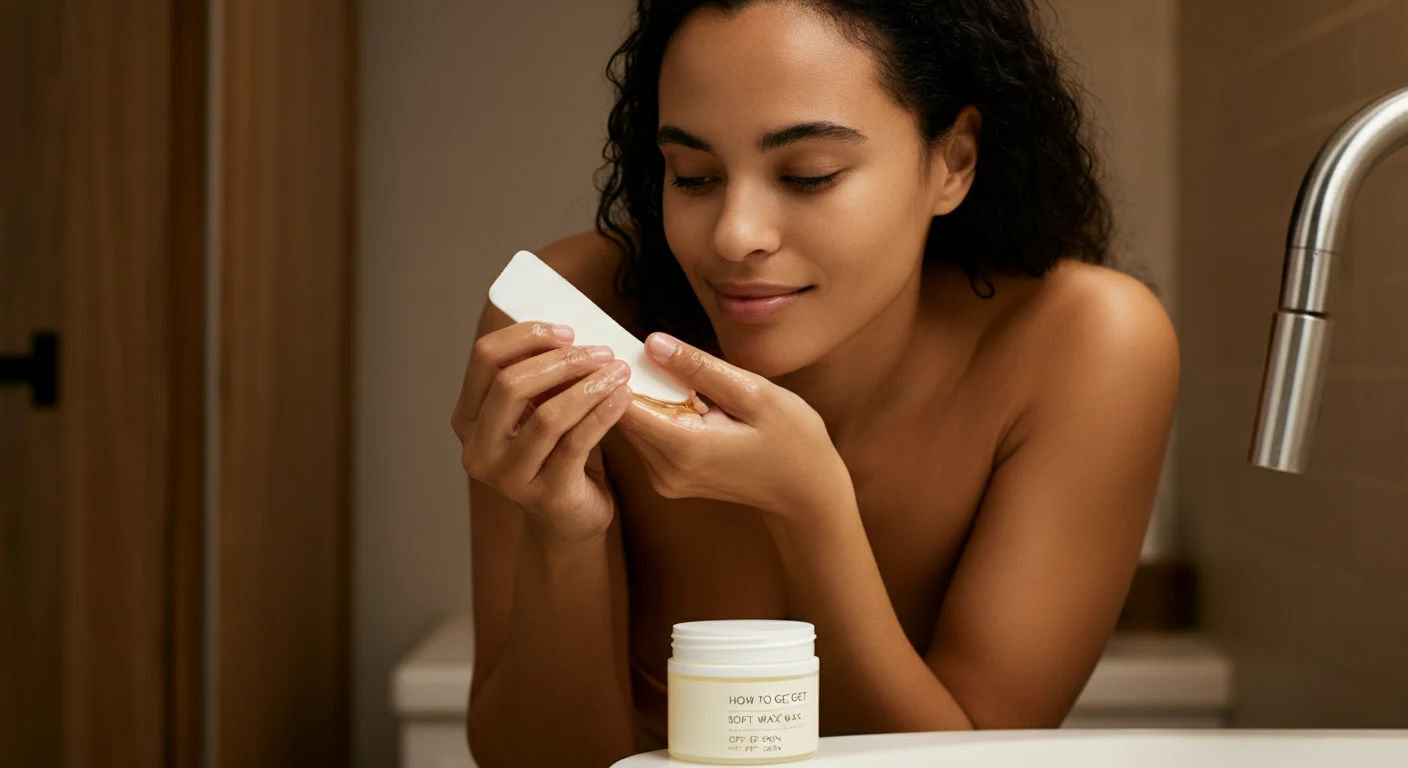
Picture this: you’ve just had a lovely waxing session, and you’re feeling smooth and confident. But wait! Is that a sticky patch of soft wax claiming residence on your skin? Don’t fret! “How to Get Soft Wax Off Skin: Simple Cleanup Techniques” is here to save the day—or at least your skin! We know the struggle can be real, but removing that pesky wax doesn’t have to turn into a slapstick comedy. With a few expert tips and a dash of humor, we’ll guide you through simple, effective methods to reclaim your silky skin without the mess. So, roll up those sleeves and get ready to banish unwanted wax like a pro!
Understanding How to Get Soft Wax Off Skin: Simple Cleanup Techniques
Effective Solutions for Wax Removal
If you find yourself with a soft wax spill on your skin, don’t panic! There are simple and effective techniques to get that wax off quickly and easily. The key is to act promptly to avoid any discomfort or irritation.
Recommended Materials
- Rubbing Alcohol – This is a great solvent for dissolving wax.
- Baby Oil or Coconut Oil – Natural oils can definitely help loosen the wax without harsh chemicals.
- Soft Cloth or Cotton balls – Use these to gently wipe away the wax.
- Warm Water – A warm cloth can assist in softening the wax prior to removal.
Step-by-Step Cleanup Techniques
Here’s how to effectively remove soft wax from your skin:
- Soften the Wax: Use a warm cloth to apply heat to the waxed area. This will help to loosen the wax.
- Apply Rubbing Alcohol: Dampen a soft cloth or cotton ball with rubbing alcohol and gently rub the waxy area. the alcohol will dissolve the soft wax, making it easier to wipe away.
- Use Natural Oils: If alcohol is not available, try using baby oil or coconut oil. Apply a small amount and wipe in circular motions until the wax starts to lift.
- Rinse with Warm Water: After the wax is removed, rinse the area with warm water to ensure all residues are cleansed.
Post-Cleanup Care
After removing the wax, it’s essential to nourish your skin:
- Moisturize: Apply a gentle moisturizer to soothe the skin after cleaning.
- Avoid Irritants: Stay away from harsh soaps or products for the next few days to prevent irritation.
- Monitor for Reactions: keep an eye on the waxed area for any redness or discomfort.
| Material | Effectiveness | Skin Type Compatibility |
|---|---|---|
| Rubbing Alcohol | High | All skin types |
| Baby Oil | Moderate | Dry and sensitive skin |
| Coconut Oil | Moderate | All skin types |
Key Benefits of Effective Soft wax Removal in beauty Routines
Enhancing Skin Health
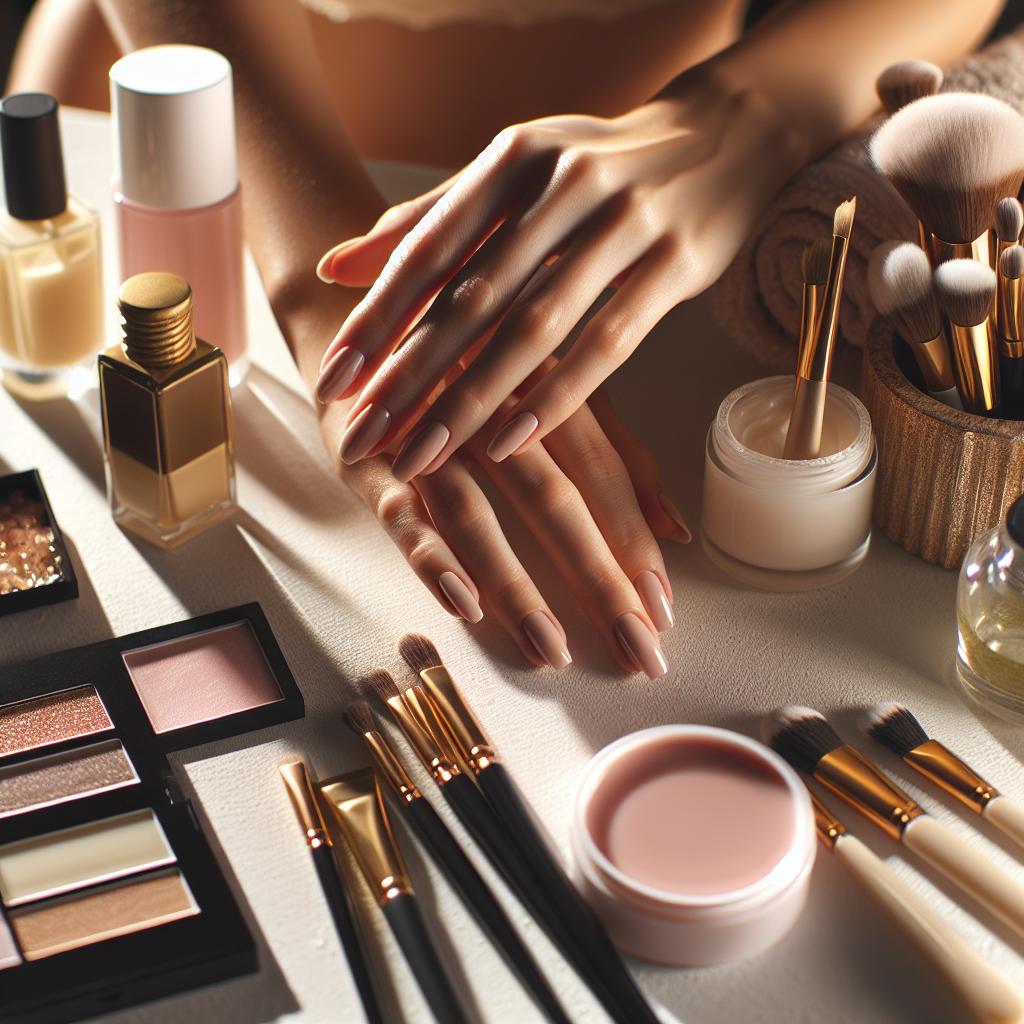
Effective soft wax removal plays a vital role in maintaining your skin’s health and appearance. When done correctly, it can minimize irritation, leaving your skin feeling smooth and nourished. Gentle removal techniques prevent the risk of damaging the skin’s surface, reducing the likelihood of redness or bumps commonly associated with waxing.
Boosting Long-Term Waxing Results
Regular practice of proper soft wax cleanup enhances the overall effectiveness of your waxing routine. When wax is adequately removed, it reduces the chances of hair regrowth occurring beneath the skin. This means that each waxing session can yield longer-lasting results, providing you with a consistently smooth surface.
improving Comfort During Request
A clean canvas leads to a more agreeable waxing experience. Ensure that residual wax is effectively eliminated before and after your session to avoid unnecessary discomfort. Here are some tips to enhance your soft wax removal:
- Apply soothing oils or creams to help dissolve leftover wax.
- Use warm water and a soft cloth to gently wipe any stubborn residues.
Promoting Skin Hydration
After a waxing session,your skin may be sensitive and in need of hydration. Using the right cleaning techniques allows you to maintain moisture levels effectively. Always follow up with a nourishing lotion or oil to keep your skin glowing and hydrated. Remember to choose products that are hypoallergenic and designed for post-wax care to avoid any adverse reactions.
Technique Matters: Prevent Residue Before It Starts
The best way to clean up soft wax is to prevent residue from forming in the first place. This comes down to proper technique. Before waxing, ensure your skin is completely clean and dry; a light dusting of powder can help absorb sweat and keep the wax sticking to your hair, not your skin. Additionally, ensure your wax is at a fluid, honey-like consistency. If it’s too cool, it won’t spread or lift properly, leading to those stubborn sticky patches. Always apply in a thin, even layer and pull quickly in the opposite direction of hair growth.
Table of Effective Soft Wax Removal Techniques
| Technique | Benefits |
|---|---|
| Warm Water Cleanup | Softens wax for easier removal |
| Oil-Based Cleaners | Dissolves wax while moisturizing the skin |
| Gentle Scrubbing | Prevents ingrown hairs and exfoliates |
By implementing these techniques, you not only enjoy effective soft wax removal but also contribute to your overall beauty routine. Keep your skin healthy, smooth, and radiant with the right approaches!
Common Challenges and Misconceptions About Soft Wax removal
Understanding Common Challenges
Soft wax removal can frequently enough lead to confusion, notably regarding the proper techniques and products to use. One of the most prevalent misconceptions is that all wax can be removed similarly, nonetheless of its type or formulation. It’s crucial to recognize that soft wax often requires specific approaches for effective cleanup. For instance, using water to wash off soft wax is ineffective since it is designed to adhere rather than dissolve. This misunderstanding can lead to frustration and skin irritation.
Addressing Misconceptions
Another common challenge is the belief that softer wax is less effective than hard wax. This is simply not true; soft wax can provide a smooth finish and is often preferred for large areas of the body. However, incorrect removal techniques can compromise the outcome. To avoid mishaps, ensure you’re pulling the wax strip in the right direction, which is typically against hair growth. This not only minimizes discomfort but also maximizes wax removal efficiency.
Effective Cleanup Techniques
When it comes to removing soft wax from your skin after waxing, several products and techniques can assist you. Here are some actionable tips:
- Use oil-based Cleaners: Products like baby oil or mineral oil are excellent for breaking down wax residue.
- Warm Compress: Applying a warm, damp cloth can help soften and loosen stubborn wax.
- Gentle Scrubs: After initial removal, a gentle exfoliating scrub can help eliminate any lingering residue without aggravating the skin.
| Method | Effectiveness | Skin Sensitivity |
|---|---|---|
| Oil-based Cleaners | High | Low |
| Warm Compress | Medium | Medium |
| Gentle Scrubs | Medium | High |
Best Practices: What You Must Avoid
- Do Not Scrub: Never pick, scrub, or use abrasive loofahs to remove wax from sensitive skin. Because wax is resin-based and lipid-soluble, scrubbing will only damage your skin barrier without lifting the wax.
- Skip the Water: Water and soap will not dissolve soft wax. In fact, using hot water can further irritate the tender, freshly-waxed skin.
- Avoid Harsh Chemicals: Stay away from rubbing alcohol on sensitive areas like the bikini line or face, as it can cause severe stinging and dryness. Stick to oil-based solvents.
Final Tips
Lastly, don’t forget that patience is key. Allow the products to sit for a few moments before wiping them away to ensure the wax has softened adequately. By understanding these common challenges and employing effective techniques, you can make your soft wax removal experience smoother and more triumphant.
Practical Applications of Soft Wax Cleanup Techniques in Everyday Beauty
Understanding Soft Wax and Its Cleanup
Soft wax is a popular choice in beauty treatments, especially for services like Brazilian waxing. It’s effective at removing hair but can leave behind residue that requires specific cleanup techniques.knowing how to manage this cleanup ensures a smooth and comfortable post-wax experience, allowing you to feel confident and carefree.
Effective Techniques for Cleanup
To effectively remove soft wax from your skin, consider the following techniques:
- Use Oil-Based Cleaners: Oils are effective at dissolving wax. You can use baby oil, olive oil, or even coconut oil for gentle removal.
- Warm Washcloth: Dampen a washcloth in warm water and press it against the waxed area. This softens the wax and makes it easier to wipe away.
- Commercial Wax Removers: Products like the Satin Release® Wax Residue Remover are formulated specifically for this purpose, ensuring effective removal without irritating the skin.
step-by-Step Cleanup Process
Follow these simple steps to start your cleanup process:
| Step | Action |
|---|---|
| 1 | Apply an oil-based product to the waxed area. |
| 2 | gently rub in a circular motion to dissolve the wax. |
| 3 | Use a warm washcloth to wipe away any residue. |
| 4 | if necessary, repeat until all wax is removed. |
Prevention Tips for Easier Cleanup
To make future cleanup easier, consider these prevention tips:
- Be Generous with Dusting Powder: Apply a dusting powder before waxing to absorb moisture and reduce wax adhesion.
- Check Wax Temperature: Ensure your wax is at the right temperature; too hot or cold can increase residue.
- Limit Skin Care Products: Avoid heavy lotions or oils on your skin before waxing, as they can interfere with adhesion and cleanup.
Actionable Tips for Successfully Removing Soft Wax from Skin

Essential Tools for Removal
To efficiently remove soft wax from your skin, gather some basic tools beforehand. Having the right items on hand will streamline the cleanup process:
- baby Oil or Mineral Oil: These oil-based solutions break down the wax effectively.
- Towels: Soft, clean towels for wiping off the wax.
- Warm Water: for rinsing your skin after the oil is applied.
- Moisturizer: To nourish your skin post-removal.
Step-by-Step Cleanup Techniques
Follow these steps to ensure a smooth removal of soft wax:
1. Apply Oil
Using a cotton ball or your fingers, apply baby oil directly onto the waxed area.Let it sit for a minute to penetrate the wax.
2. Gently Wipe
Using a soft towel, gently wipe the area while moving in the direction of hair growth. This minimizes irritation and helps lift the wax away.
3. Rinse and Repeat
If wax residue remains, repeat the oil application and wiping process until your skin is clean. Follow this up with a rinse using warm water.
Aftercare for Smooth skin
Once the wax is removed, it’s vital to care for your skin:
- Moisturize: Apply a gentle moisturizer to soothe the area.
- Avoid Heat and Friction: Steer clear of hot showers, saunas, and tight clothing for at least 24 hours after waxing.
- Stay Hydrated: Drink plenty of water to keep your skin well-hydrated.
Main Takeaways and Encouragement for Mastering Soft Wax Cleanup Techniques
Key Techniques for effective Cleanup
Removing soft wax from your skin can feel daunting, but with the right techniques, you can master this task with ease. Here are some essential strategies:
- Use Oil-Based Products: Oils, such as baby oil, coconut oil, or even olive oil, can effectively break down wax residue. Simply apply a small amount onto a cotton ball and gently rub the waxed area.
- Warm Compress: Applying a warm, damp cloth to the area for a few minutes can soften the wax, making it easier to wipe away.
- Gentle scrubbing: after using an oil, you may need to gently scrub the area with a soft cloth or sponge to wholly remove the residue.
- Alcohol Solutions: In cases of stubborn residue, using rubbing alcohol on a clean rag can also assist in dissolving the wax effectively [[2](https://www.justanswer.com/home-improvement/4dlsv-remove-hair-removal-wax-off-floor-counters.html)].
essential Takeaways for Cleanup Mastery
By following these steps consistently, you can become proficient in cleaning up soft wax messes:
| Technique | Effectiveness | Recommended Product |
|---|---|---|
| Oil-Based Removal | High | Baby Oil, Coconut Oil |
| Warm Compress | Medium | Warm Water Cloth |
| Alcohol Application | High | Rubbing Alcohol |
Encouragement to Keep Practicing
don’t be discouraged if you encounter stubborn wax residues. It often just takes a bit of practice and the right methods to achieve a smooth finish. Remember, patience and experimentation with various products can lead you to the most effective cleanup routine for your specific needs. Each cleanup is an opportunity to refine your skills, making you more confident in your waxing routine. Keeping your supplies on hand and knowing the best techniques will empower you to tackle any wax cleanup situation like a pro!
Frequently asked questions
what is soft wax, and how is it used in waxing procedures?
soft wax, frequently enough referred to as strip wax, is a popular choice for body hair removal, especially in brazilian waxing.This type of wax is applied warm and then covered with a cloth or paper strip. Once the wax cools slightly, the strip is pulled away quickly, removing the hair along with the wax. It’s favored for its ability to capture fine hairs, making it an effective option for delicate areas.
Before waxing, you should prepare the skin by cleaning the area to remove any oils or lotions. Exfoliating a day before can also help prevent ingrown hairs. When applying soft wax, make sure to spread it evenly and in the direction of hair growth.Remember, the success of the waxing results heavily depends on proper technique, so don’t rush the process. After the procedure,some people may find traces of wax left on their skin,which is why knowing how to remove it effectively is essential.
How can I remove soft wax from my skin after waxing?
Removing soft wax from your skin after waxing is a straightforward process, but it requires a gentle touch. One of the best methods is to use a soft cloth dampened with baby oil or mineral oil. Gently rub the area where the wax remains, and it should start to dissolve and lift away. Avoid using harsh soaps or scrubs, as your skin might be sensitive post-wax.In cases where baby oil is not available,natural alternatives include coconut oil or olive oil. Apply the oil to the waxed area; the wax will break down and can be wiped off easily. It’s essential not to scrub vigorously,as this can irritate your skin. Remember to rinse the area afterward with warm water and pat it dry gently to keep your skin feeling healthy.
Are there any specific products recommended for cleaning wax off skin?
Yes, several products are tailored specifically for this purpose. Wax residue removers, like Satin Release® Wax Residue Remover, effectively eliminate all traces of wax while also soothing and moisturizing the skin [2[2[2[2]. These products are generally oil-based and can be massaged directly into the wax residue for effective removal.
another handy option you might have at home is non-acetone nail polish remover, as it can dissolve wax. However, be cautious when using acetone or isopropyl alcohol on sensitive skin, as these can cause irritation. Always perform a patch test on a small area first and choose products based on your skin’s sensitivity levels.
What should I avoid when trying to clean soft wax off my skin?
When trying to clean soft wax off your skin, there are several things you should avoid to prevent irritation or damage. First, don’t use hot water as it might further harden the wax or irritate sensitive skin post-wax. Similarly, avoid scrubbing with abrasive materials like rough sponges or gritty scrubs, as your skin will likely be tender after waxing.
Using alcohol-based products can also be a mistake. While they may seem effective in breaking down the wax, they can dry out your skin and lead to discomfort. It’s best to stick to gentle, moisturizing oils for removal. If you find that wax still persists, take your time rather than forcefully removing it, as this will only lead to irritation.
Is there a safe way to deal with leftover wax if I can’t remove it right away?
If you’re unable to remove leftover wax immediatly after your waxing session, don’t worry. You can allow it to sit for a short while without causing harm.To manage it safely, simply coat the remaining wax with a light layer of baby oil or coconut oil. This will not only prevent the wax from hardening too much but will also prepare it for when you can properly clean it off later.
Make sure to keep the area free from additional products until you can fully cleanse it. When you’re ready, the oil will help dissolve the wax, making it easier to wipe away with a soft cloth.Always listen to your skin; if irritation occurs, stop the process and consult a professional for advice.
How can I soothe my skin after cleaning up soft wax?
After you’ve successfully removed soft wax from your skin,it’s essential to soothe the area,especially as waxing can sometimes leave it red and sensitive. Applying a gentle moisturizer or an aloe vera gel can help calm irritation and hydrate the skin. Look for products free from fragrances and dyes to avoid any potential allergic reactions.
Additionally, consider using a cold compress on the waxed area for 10-15 minutes. This can reduce inflammation and provide immediate relief. Remember to also avoid hot showers or direct sunlight for a few hours post-cleanup to prevent further irritation. Your skin deserves some TLC, so give it time to recover well after the waxing experience.
What should I do if I experience a reaction after using a wax residue remover?
If you experience a reaction after using a wax residue remover, it’s crucial to act promptly. The first step is to rinse the affected area with cool water to remove any remaining product and soothe the skin. Follow this by applying a cold compress or an over-the-counter hydrocortisone cream to reduce inflammation and irritation.
If symptoms persist, such as severe redness, swelling, or itching, consider consulting a dermatologist for guidance. They can assess your skin’s reaction and recommend appropriate treatments or future preventive measures. It’s also wise to patch test new products in the future to avoid similar reactions,ensuring your waxing experience remains pleasant and effective.
concluding Remarks
As we wrap up our guide on how to effectively remove soft wax from your skin, remember that each step—from planning to aftercare—plays a crucial role in ensuring a smooth and worry-free waxing experience. Cleaning up after your Brazilian wax doesn’t have to be daunting; it’s simply about using the right techniques and products. Whether you prefer oils,wipes,or gentle scrubs,you now have the knowledge to choose what works best for you.
Don’t forget, the key is to stay gentle to avoid irritation, and always follow up with soothing aftercare to keep your skin feeling comfortable and nourished. By incorporating these simple cleanup techniques into your routine, you can maintain that fresh, silky feeling without the sticky residue. so go ahead, embrace your beautiful skin with confidence—you’ve got this! Happy waxing!
Get our latest guides, news, and insights highlighted in your Google Search & AI Overviews.